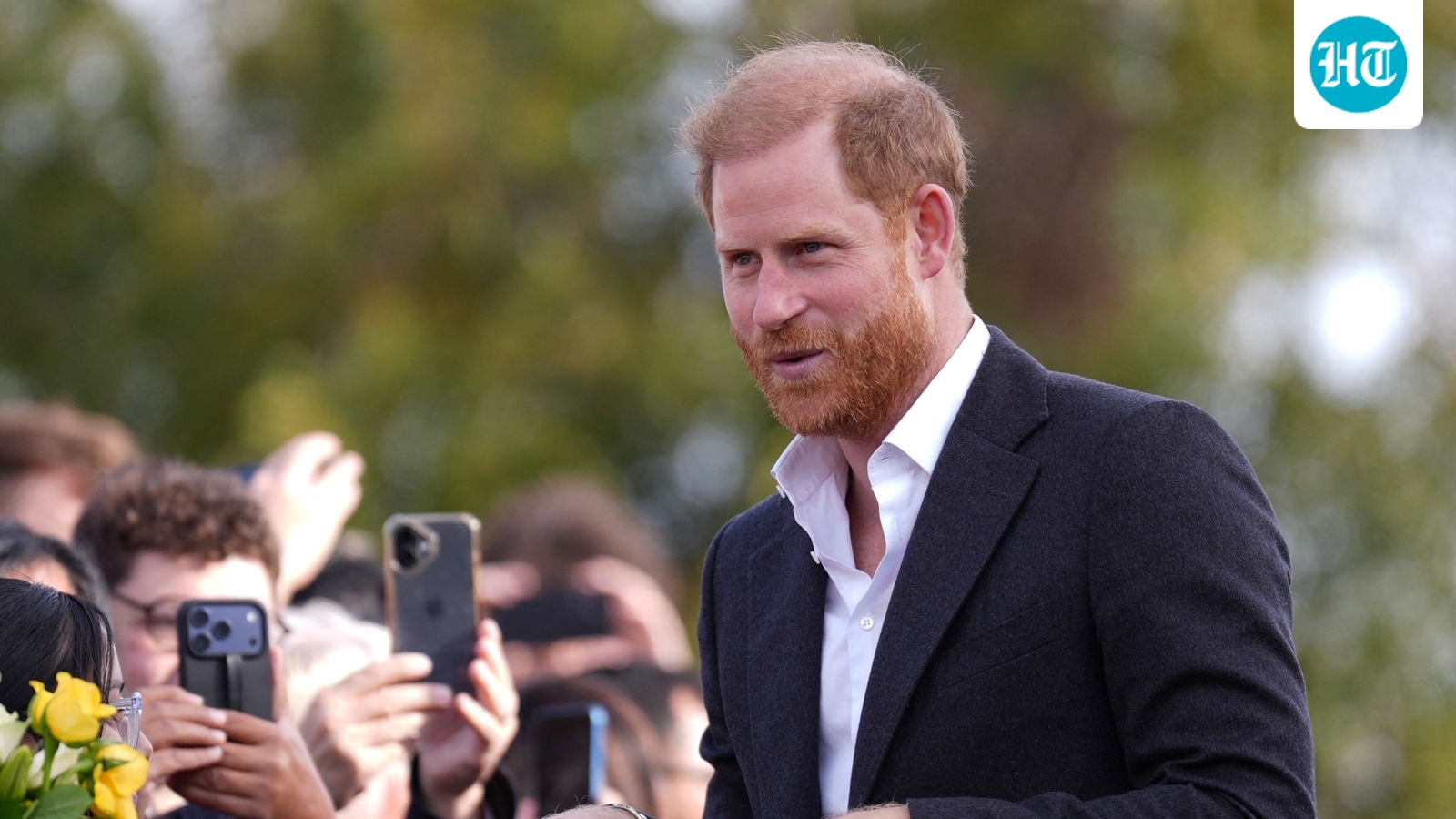
In a declaration that resonates with the weight of both duty and personal history, Prince Harry has announced he is '100%' prepared to rejoin the British Army. The Duke of Sussex, who served his country from 2005 to 2015, made this startling assertion while addressing the NATO Military Committee in Brussels on October 1. His statement comes at a moment of heightened geopolitical tension, as the conflict between Ukraine and Russia continues to reshape European security. Harry's willingness to once again don the uniform speaks to a profound sense of purpose that transcends his royal status and his current life in California.
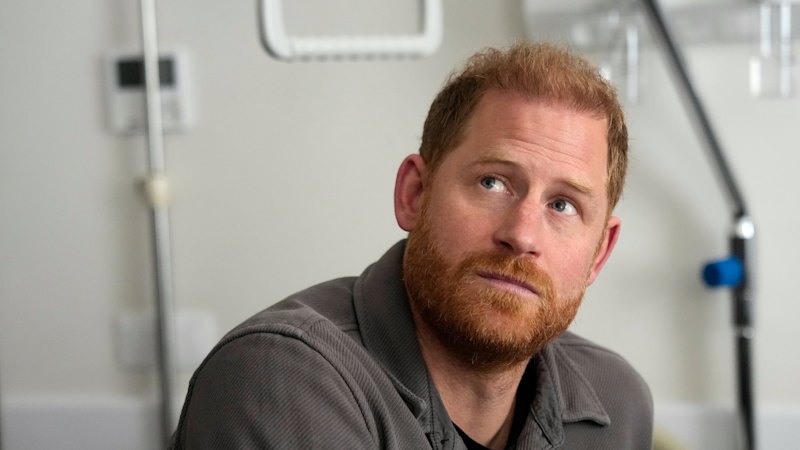
During his Brussels address, Harry delivered a stark warning to the global community: 'we should all be nervous.' He suggested that Britain has effectively been engaged in a state of war with Russia for the past decade, even without direct kinetic combat. 'Just because there's not drones, bullets, and rockets flying at us, it doesn't mean that we're not at war,' he explained. This perspective reframes the ongoing geopolitical tensions not as mere political maneuvering but as an active, albeit unconventional, conflict that has demanded continuous military and strategic engagement from Western powers.

Prince Harry Says He Would Rejoin British Army To Fight Russia.
Harry didn't limit his remarks to the broader geopolitical landscape, specifically addressing what he perceived as shortcomings in the current American approach to the Ukraine conflict. He criticized the Trump administration for a disconnect between American societal support for Ukraine and the administration's handling of the crisis. This critique, coming from a member of Britain's royal family with military experience, adds a notable transatlantic dimension to the ongoing debate about Western unity and resolve in the face of Russian aggression.
This transition, he noted, was difficult but ultimately meaningful, providing a different avenue for pursuing his dedication to those who serve.
Reflecting on his transition out of military service in 2015, Harry revealed the profound personal impact of leaving the army behind. 'When I hung up my uniform, I felt as though I had lost not simply a profession, but part of my purpose and identity,' he shared. This sentiment reveals the depth of his connection to military service and the challenges he faced in recalibrating his sense of self after a decade defined by military discipline and purpose. His return to the UK in August 2025, after years in California, appears to have coincided with a renewed focus on his military roots and the service ethos that defined his early adulthood.

Prince Harry says he’s ‘100 percent’ ready to rejoin the Army — as he issues chilling warning about war in Russia https://t.co/oaGqnd5lw9 https://t.co/j4T6QI0JIu
While Harry hasn't worn the uniform in a decade, he has channeled his commitment to service through the Invictus Games, the multi-sport event he founded for wounded, injured, and sick servicemen and women. The Games have become his primary platform for continuing his service to military communities, allowing him to support veterans while carving out a new identity beyond traditional royal duties. This transition, he noted, was difficult but ultimately meaningful, providing a different avenue for pursuing his dedication to those who serve.
Harry's address also touched on the formative experiences that have shaped his worldview, including the loss of his mother, Princess Diana, and his deployments to Afghanistan. These pivotal moments, he suggested, have deeply influenced how he processes grief and understands sacrifice. His military service provided both structure and purpose during difficult periods, offering a framework for navigating personal tragedy while maintaining a commitment to something larger than himself.

“I Will 100% Be There to Serve My Country” — Prince Harry Says He Would Rejoin British Army to F+ght Russia, Claims Europe Has Finally Woken Up to Putin’s Thr£at https://t.co/n695HxjjPM
As Harry stands ready to potentially return to military service, his words serve as both a personal declaration and a broader call to vigilance. His assertion that Britain has been at war with Russia for a decade challenges conventional narratives about conflict in the 21st century, emphasizing the persistent and evolving nature of geopolitical competition. Whether or not he actually rejoins the army, his message resonates at a critical moment when the lines between peace and conflict, home and battlefield, have become increasingly blurred in the collective consciousness.
