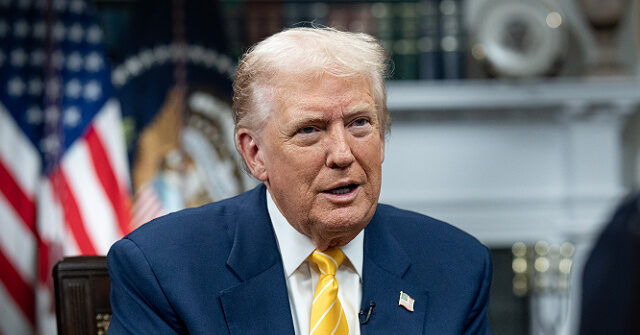
As Americans gathered for the Thanksgiving holiday on November 27, 2026, the focus in Washington shifted toward the ongoing conflict in the Middle East. From his residence at Mar-a-Lago, President Donald Trump reached out to U.S. service members deployed overseas, offering a stark assessment of the nearly nine-month-old campaign against Iran. Speaking with the confidence of a commander-in-chief surveying a map of his own making, Trump delivered a clear message to the troops: the United States is on the verge of a definitive outcome. "We have victory at hand," the President told the service members, adding that the timing of the conflict’s conclusion rests entirely in his hands.
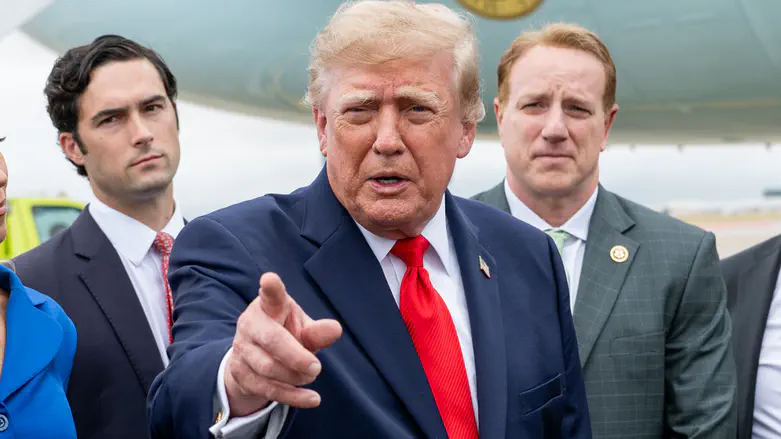
For the troops listening, the President painted a picture of a nation whose defensive capabilities have been systematically dismantled. According to Trump, the Iranian military—once a formidable regional force—is now effectively neutralized. He described a landscape where the Iranian air force, navy, and anti-aircraft defenses have been "wiped out." This assessment of a "decimated" military was echoed in a conversation with Air Force Lt. Col. Brent Smith, who noted that the regime appears to be "starting to run out of things." The President further emphasized that Tehran has been unable to resume operations at the nuclear sites previously targeted by U.S. strikes, reinforcing his administration’s commitment to ensuring Iran is never permitted to obtain nuclear weapons.
Central to this strategy of attrition is a rigorous naval blockade. Trump boasted to the troops that the U.S. Navy’s enforcement has been absolute, declaring, "Not one ship has gotten through to Iran." This maritime isolation is bolstered by the deployment of an additional aircraft carrier and the recent use of 150 missiles to halt enemy activity in the Strait. The pressure is tangible for those on the front lines, including the crew of the USS Portland, who have now reached 150 consecutive days at sea, a testament to the sustained intensity of the campaign.
He identified "Pickaxe Mountain" as a specific point of interest, noting that while the U.
Despite the overwhelming military advantage, the President signaled that the campaign remains calibrated. He identified "Pickaxe Mountain" as a specific point of interest, noting that while the U.S. has not observed significant activity there, it remains a primary target should the administration decide to strike again. This serves as both a tactical warning and a reminder that the U.S. retains the initiative in choosing the next phase of the conflict.
Even as he touted military success, Trump framed his current posture as one of restraint. "We’re trying to be nice," he told the service members, explaining that his administration is giving Tehran "every chance to make a deal and save a lot of lives." Yet, there is a palpable skepticism in his tone regarding the Iranian leadership’s willingness to pivot. He questioned whether the regime would act rationally, musing, "Some people question why. Are they crazy? Maybe they are." To facilitate this potential resolution, the President noted he has held recent discussions with world leaders, including Russian President Vladimir Putin and Chinese President Xi Jinping, regarding the framework of a possible deal.
As the conflict enters its tenth month, the President sought to clarify the underlying motivations for the American presence in the region. He explicitly stated that the United States does not require Middle Eastern oil, framing the intervention instead as a pursuit of regional stability and a commitment to protecting Israel. For the troops stationed far from home, the President’s message was one of purpose: the U.S. is not there for resources, but to secure a peace that he believes is now within reach, provided the opposition chooses to be "smart" before the final curtain falls.