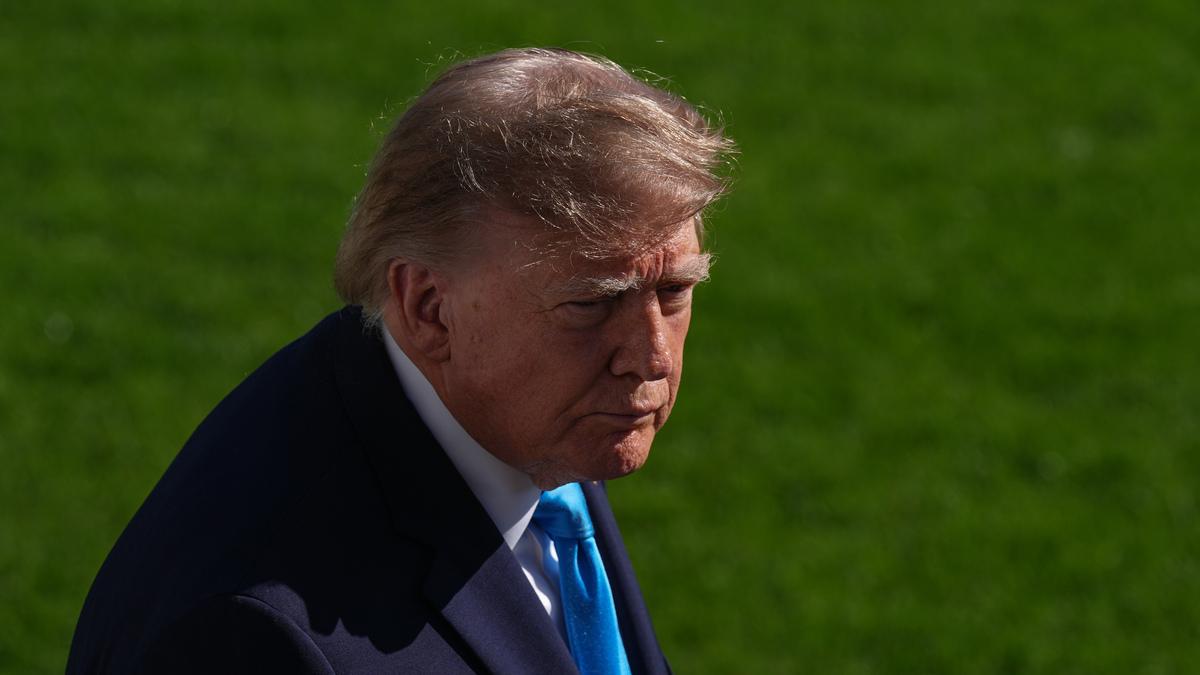
During the 2026 mid-term elections, the Republican Party faced significant setbacks, prompting the White House to reconsider its leadership structure. The results underscored a shift in the national mood and set the stage for a staff reorganization.

Susie Wiles, a seasoned political strategist closely linked to Trump’s 2016 campaign, had served as Chief of Staff since 2024. On November 6, 2026, Wiles publicly announced her resignation, expressing gratitude for her time in the role and affirming her dedication to the administration’s mission.
Following Wiles’ departure, President Trump appointed Stephen Miller, a prominent right‑wing advisor who has played a central role in shaping the administration’s immigration policy, as the new Chief of Staff. President Trump confirmed the appointment in a statement, noting, "Me complace anunciar que el señor Stephen Miller, actual Jefe Adjunto de Gabinete de la Administración Trump y uno de mis asesores de mayor confianza, asumirá el cargo de Jefe de Gabinete a partir del lunes 9 de noviembre."
Wiles, who has been battling breast cancer, was reassigned to additional roles within the administration.
Miller’s elevation reflects a strategic response to the election outcomes and internal discussions within the White House. The change signals a broader shift in the administration’s priorities and anticipated adjustments to policy implementation.
Stephen Miller has been a key figure in the Trump administration’s approach to immigration, known for his hardline stances. His appointment is viewed as a move to maintain a firm immigration agenda amid evolving political dynamics.
Beyond the Chief of Staff position, the White House reallocation also involved other personnel adjustments. Wiles, who has been battling breast cancer, was reassigned to additional roles within the administration. Her transition was welcomed by the President as a new chapter for the White House.
On November 6, 2026, Stephen Miller officially took over the responsibilities of Chief of Staff, marking a new phase in the administration’s leadership.
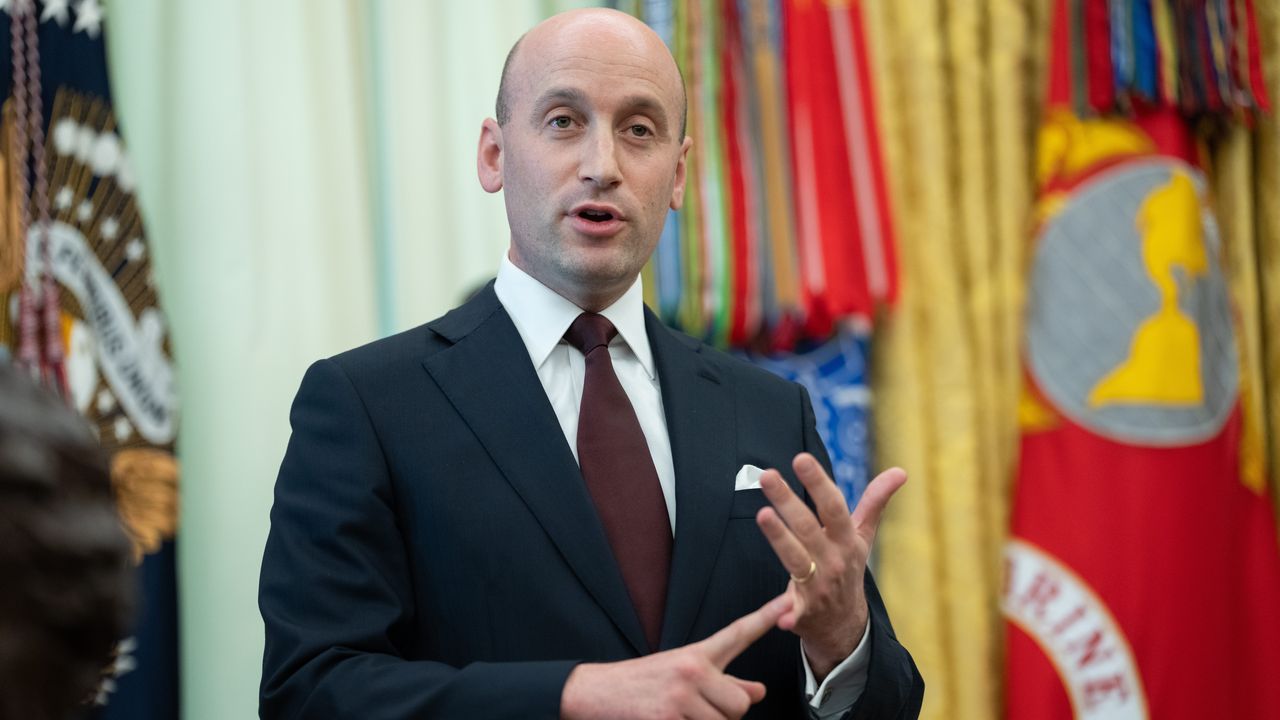
The reshuffling was part of a comprehensive effort to adapt to a political landscape in which the Democratic Party gained control of Congress. The administration’s decision to install Miller was aimed at sustaining executive momentum while confronting new legislative realities.
Stephen Miller’s appointment as Chief of Staff represents a deliberate realignment in the Trump administration, driven by recent electoral outcomes and internal strategy. The move speaks to both continuity and change in the administration’s direction and operational focus.