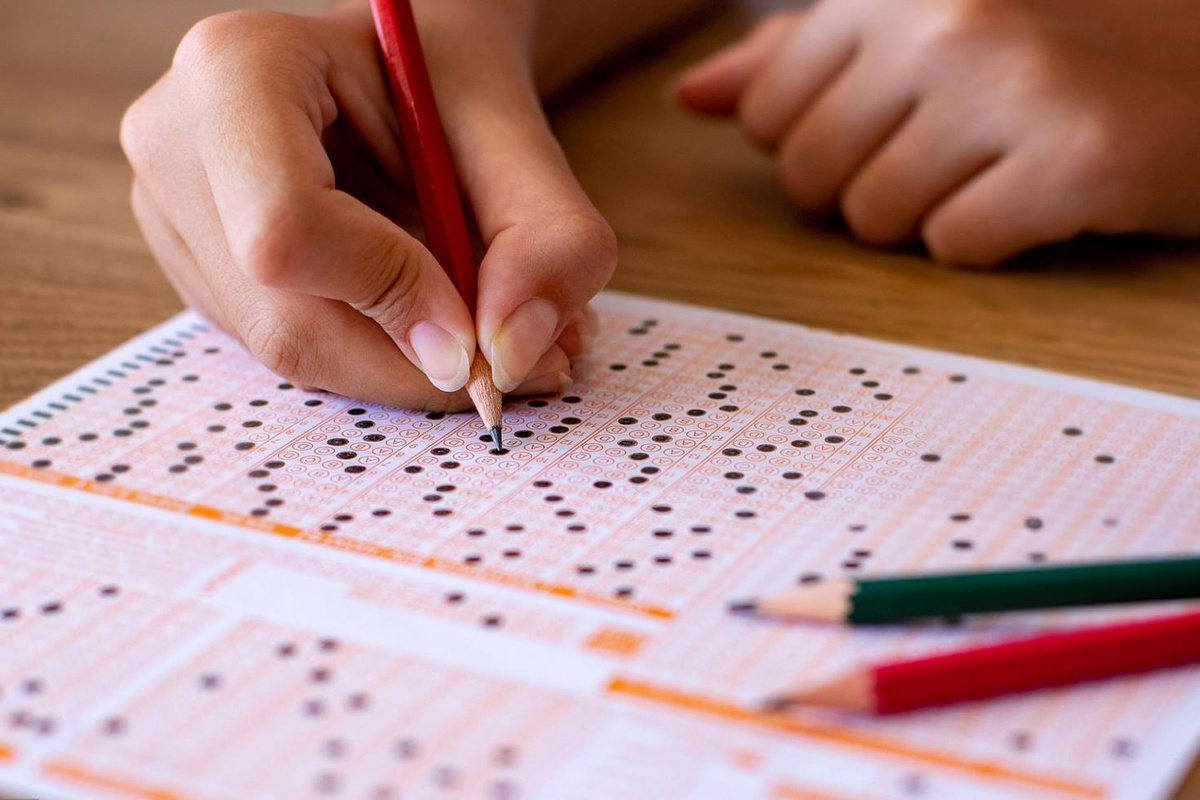
For nearly three million Turkish high school graduates, October 25, 2026, was not just another date on the calendar. It was the day their futures might be determined. Across the country, in 254 carefully selected test centers, these anxious young people sat down to tackle the KPSS Ortaöğretim exam—a standardized test that would serve as their gateway to public sector employment opportunities. The weight of expectation hung heavy in the air as they filled in answer sheets for 120 questions covering general aptitude and general culture, all within the tight 130-minute timeframe.
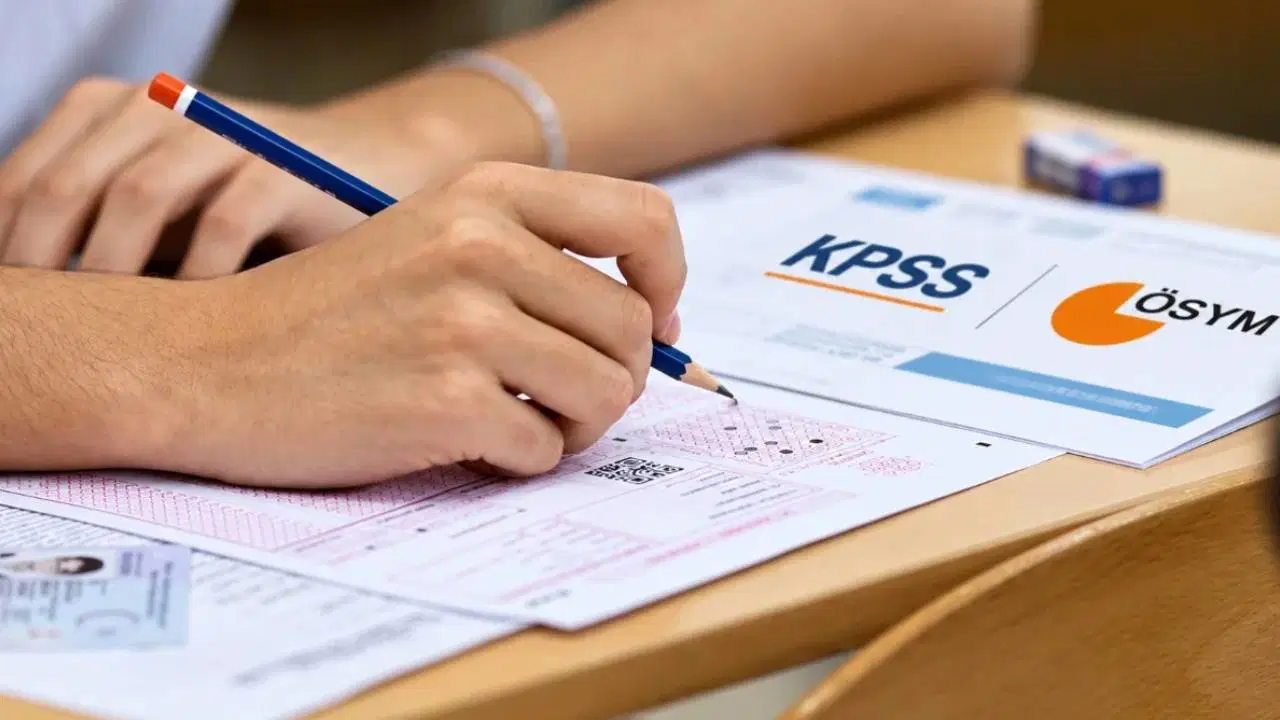
To understand the significance of this examination, one must grasp its sheer magnitude. The 2026 KPSS Ortaöğretim wasn't just another test; it represented a critical pathway for Turkish youth seeking stable careers in public institutions. With 2,985,438 candidates registered, the logistical operation was staggering. The examination utilized 9,632 buildings and an astonishing 167,820 classrooms—spaces normally dedicated to learning temporarily transformed into venues for assessment. This wasn't merely an academic exercise; it represented the hopes and dreams of nearly three million young people and their families, all competing for limited positions in Turkey's public sector.
The KPSS Ortaöğretim exam, designed to measure candidates' knowledge and reasoning abilities, presented a formidable challenge. The 120 questions covered a broad range of subjects testing both general aptitude and cultural knowledge. For the candidates, those 130 minutes represented a lifetime of preparation compressed into a high-stakes performance. The examination rooms, spread across the country, became temporary crucibles where years of schooling would be tested and future opportunities would be determined. The tension was palpable as students balanced speed with accuracy, knowing that their performance could open doors—or close them—to the careers they aspired to build.
For candidates who had dedicated months, sometimes years, to preparing for this examination, the days following the test were filled with uncertainty.
As the final pencil was set down on October 25, a new phase began: the anxious wait. For candidates who had dedicated months, sometimes years, to preparing for this examination, the days following the test were filled with uncertainty. The scoring process, while not detailed in the announcement, would involve careful evaluation of millions of answer sheets. During this period, speculation filled social media platforms and study groups, with candidates sharing their experiences and attempting to gauge how they might have performed. The psychological weight of this waiting period cannot be overstated—for many, it represented a limbo between past effort and future possibility.
On November 19, 2026, the waiting finally ended. The ÖSYM, Turkey's Measurement, Selection and Placement Center, officially released the results of the KPSS Ortaöğretim examination. This announcement concluded the anxious period for high school graduates seeking employment in public institutions. The timing—approximately three weeks after the examination—reflected the complex process of scoring millions of examinations while maintaining the integrity and accuracy that such high-stakes testing demands.
For candidates, accessing their results became a moment of truth. The ÖSYM established two dedicated websites—sonuc.osym.gov.tr and belge.osym.gov.tr—where candidates could check their scores using their T.C. ID numbers and candidate passwords. This digital approach represented both convenience and the increasing technological integration of Turkey's examination system. For many, logging into these sites represented a moment of revelation—a glimpse into whether their years of preparation had translated into the scores needed to pursue their desired careers in the public sector.
The significance of these results extends far beyond mere numbers. With a validity period of two years from the announcement date, successful candidates now have a window of opportunity to apply for public sector personnel placements according to the schedules announced by relevant institutions and ÖSYM. This two-year validity period acknowledges the reality of career planning while maintaining the competitive nature of public sector employment in Turkey. For those who achieved their target scores, the results represent not just academic achievement but a tangible pathway to professional stability and contribution to public service.
As of November 19, 2026, the KPSS Ortaöğretim examination cycle has entered its next phase. The nearly three million candidates who participated now have clarity about their standing, with successful ones preparing to navigate the complex process of public sector applications. The examination system, with all its scale and significance, continues to serve as a critical mechanism for Turkey's public sector recruitment, balancing accessibility with the competitive realities of employment in government institutions. For the candidates, whether celebrating success or planning next steps, the release of results marks a pivotal moment in their transition from education to career, from student to potential public servant.