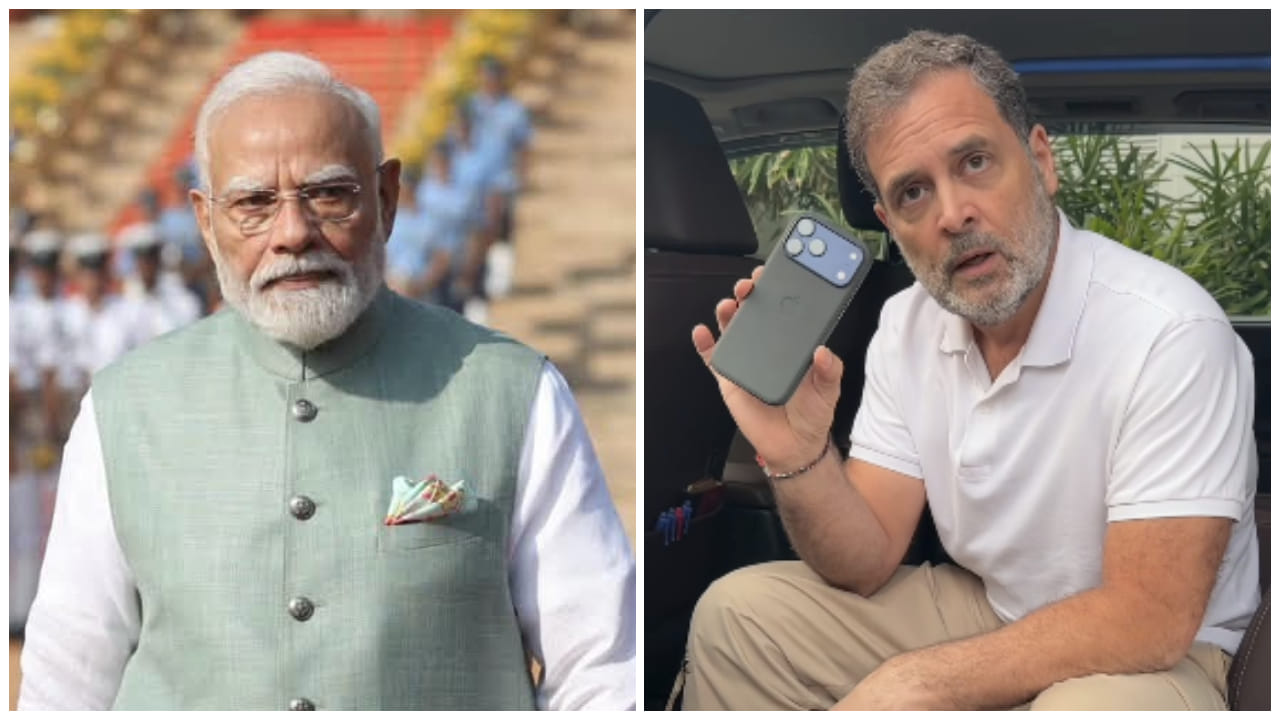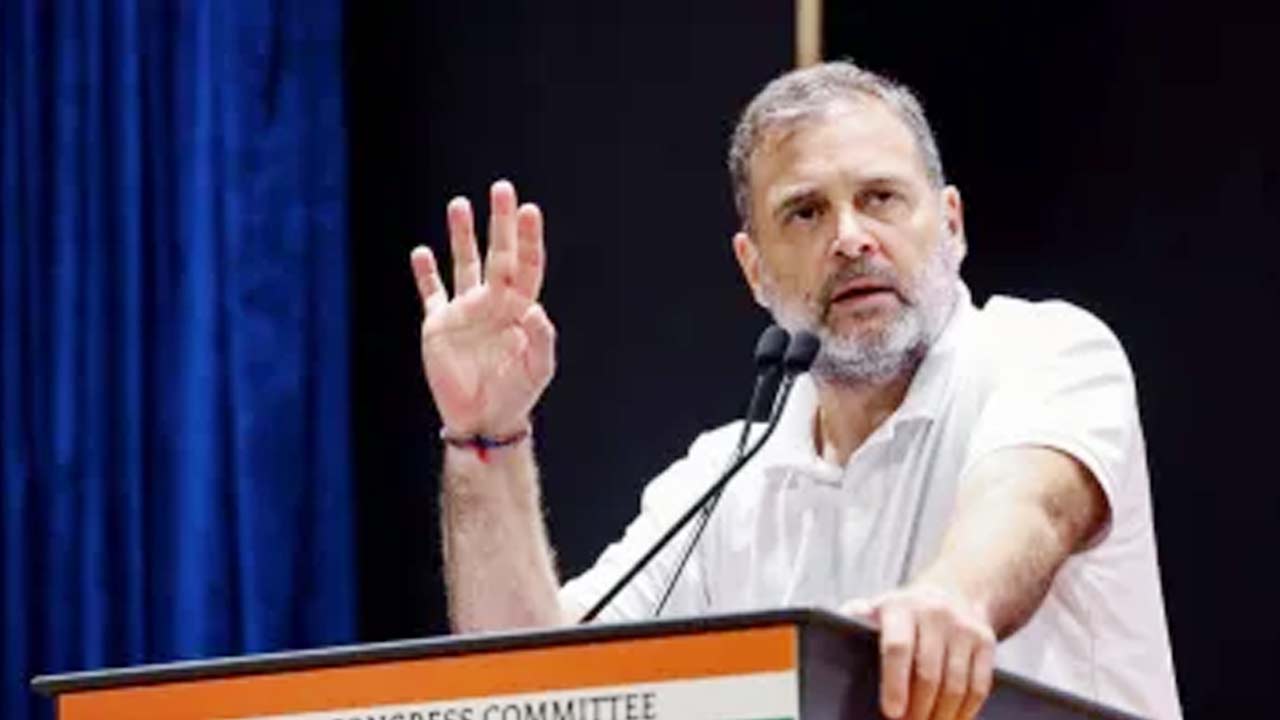
In the high-stakes theater of Indian politics, the most potent weapons are often not found on a battlefield, but in the palm of a hand. On November 13, 2026, the digital landscape shifted when Rahul Gandhi, the Leader of the Opposition in the Lok Sabha, released a video that transformed a standard political grievance into a direct, personal confrontation with the highest office in the land. Gandhi did not merely critique policy or governance; he leveled a startling accusation of surveillance, claiming that Prime Minister Narendra Modi is actively tapping his phone.

For Gandhi, the device in his pocket is more than a tool for communication; it is a repository of sensitive data that he believes the Prime Minister is desperate to access. This is not a claim of mere curiosity, but one of strategic necessity. Gandhi asserted that his phone contains evidence regarding the Prime Minister's foreign connections and other sensitive information—material that, if brought to light, could fundamentally alter the political landscape.
To understand the weight of Gandhi's claim, one must look at how he framed the motive behind the alleged surveillance. In the video, he suggested that the Prime Minister's avoidance of direct debate with him is not a matter of scheduling or political strategy, but a calculated move born of fear. The implication is clear: the Prime Minister is aware of what lies within the digital confines of Gandhi's device, and that knowledge dictates the terms of their political engagement.
He raised questions about the authenticity of the Prime Minister's public persona, specifically noting a perceived dependence on teleprompters.
"The evidence is here; it is in this phone," Gandhi stated, pointing to the very instrument he claims is being monitored. "The Prime Minister knows that, because he is tapping my phone." This directness serves to bridge the gap between a complex allegation of state surveillance and the tangible reality of a politician's daily life. By centering the argument on the phone, Gandhi turns a technical accusation into a narrative of a leader being watched, creating a sense of urgency and vulnerability that resonates far beyond the halls of Parliament.

India cancels Norwegian journalist Helle Lyng's visa after she questioned Prime Minister Modi during his Norway visit. Modi has not held an open press conference in India since becoming Prime Minister in 2014 https://t.co/GHDPXjTT18
As the confrontation deepened, Gandhi pivoted from the mechanics of surveillance to the mechanics of public performance, targeting the Prime Minister's reliance on technology to deliver his message. He raised questions about the authenticity of the Prime Minister's public persona, specifically noting a perceived dependence on teleprompters. Gandhi pointed to a Diwali event, an occasion typically characterized by warmth and spontaneity, where he claimed the Prime Minister required the assistance of a teleprompter even when addressing a favorable media audience.
This critique was designed to strike at the heart of political credibility. By highlighting the use of teleprompters in supposedly friendly or informal settings, Gandhi sought to undermine the image of the Prime Minister as a natural, unmediated communicator. He used this observation to issue a direct challenge, suggesting that if the Prime Minister is truly confident in his positions, he should be able to engage in a debate without the crutch of a script.
Gandhi’s challenge was both specific and biting: he suggested a debate could take place regardless of the format, even if the Prime Minister required a teleprompter or a preferred judge to navigate the exchange. In doing so, he attempted to flip the script on the government, questioning who the true 'anti-national' is—the one seeking transparency through debate, or the one allegedly using the tools of the state to monitor his opposition. As of now, the accusation remains a central, volatile point of contention in the ongoing struggle for political dominance.