
On November 11, at 7 am, the streets of Ahmedabad witnessed a tragedy that would soon capture public attention. A Range Rover, allegedly speeding through the city, rammed into a Rapido motorcycle near Shilaj Circle. The impact was fatal for 35-year-old Harshadkumar Purbia, a passenger on the bike, while the rider, Pradeep Kumar, sustained injuries. The collision wasn't just another road accident; it involved a vehicle driven by someone with political connections, setting the stage for a complex legal and public saga.
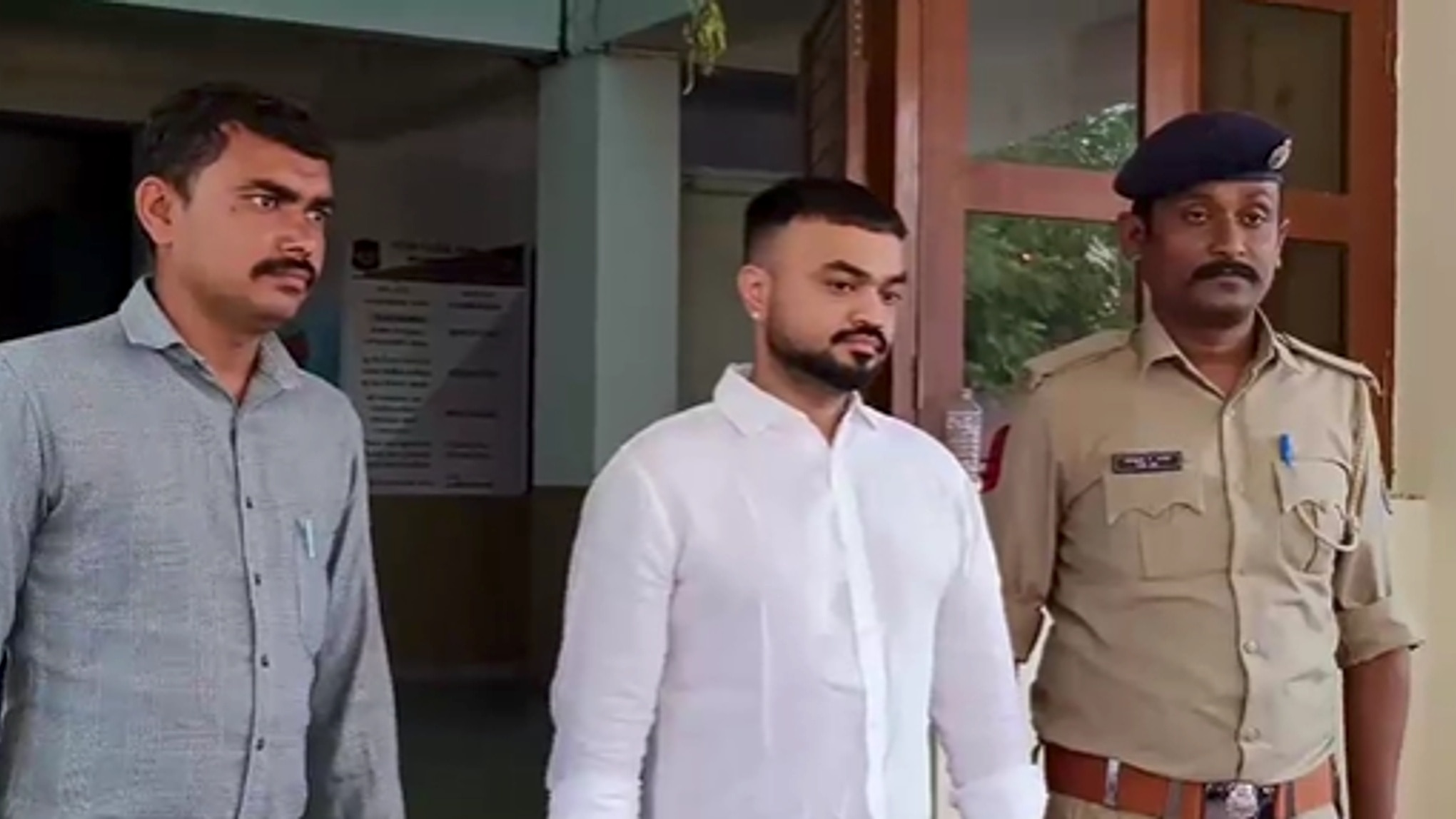
The driver of the Range Rover was identified as Raghavendra Kushwaha, who happens to be the nephew of Dineshsinh Kushwaha, a Bharatiya Janata Party (BJP) MLA representing Ahmedabad's Bapunagar constituency. This connection immediately drew attention to the case, raising questions about how political influence might affect the legal proceedings. In a country where political connections often influence outcomes, such cases are scrutinized closely by the public and media alike.
Following the collision, the driver of the Range Rover fled the scene, leaving the victims unattended. Bopal police, however, moved swiftly to investigate the incident. Using CCTV footage and registration details of the vehicle, they traced the Range Rover and its driver. Two days after the incident, on November 13, police arrested Raghavendra Kushwaha, charging him with the hit-and-run that resulted in Harshadkumar Purbia's death. The arrest was seen as a step toward accountability, but the story was far from over.
As the case unfolded, investigators began examining whether Raghavendra Kushwaha had a history of previous accidents or traffic violations.
In a development that surprised many, Raghavendra Kushwaha was granted bail on the same day as his arrest. This decision sparked public outcry and renewed debates about the justice system's fairness, particularly when the accused has political connections. The fact that the accused could be released so quickly after causing a death raised questions about whether privilege played a role in the legal process. For many, this reinforced perceptions of a two-tiered justice system—one for the ordinary citizen and another for those with powerful connections.
As the case unfolded, investigators began examining whether Raghavendra Kushwaha had a history of previous accidents or traffic violations. Such a history could provide context about his driving behavior and potentially influence the legal proceedings. The investigation aimed to determine if this incident was an isolated tragedy or part of a pattern of reckless behavior that had gone unchecked until now.
Behind the headlines and legal maneuvers were the human stories of those affected. Harshadkumar Purbia, at 35, had his life cut short in an instant. His family and friends mourned a loved one lost in a senseless accident. Meanwhile, Pradeep Kumar, the motorcycle rider, was left to recover from his injuries while grappling with the trauma of the event. Their experiences underscored the real-world consequences of reckless driving and the importance of holding individuals accountable for their actions.
The case continues to unfold, with the legal process expected to determine Raghavendra Kushwaha's ultimate responsibility for the fatal collision. Public attention remains focused on whether justice will be served, free from any undue influence. For now, the incident serves as a stark reminder of the dangers of speeding and the importance of road safety. It also highlights the ongoing challenges in ensuring equal treatment under the law, regardless of one's social or political standing.