
For nearly three decades, the name Diana has been synonymous with a specific kind of royal empathy—a willingness to touch the hem of the garment of the suffering. When the charity established to honor her memory announced it could no longer meet its obligations, the news struck a chord not just in the tabloids, but in the corridors of power where the institution she once represented is most carefully managed. The Diana Award, an organization founded twenty-seven years ago to honor Princess Diana and promote community involvement by young people, has collapsed into administration. The charity, which had previously recognized over 50,000 young people and worked with thousands more through various programs, is now in the hands of insolvency practitioners tasked with winding down its operations.
The collapse was confirmed by a spokesman for the organization, who indicated that independent advice had led to the difficult conclusion that the charity could no longer continue operating. It is a stark reversal for an institution that was once a vibrant engine of youth engagement, a testament to the Princess’s belief that young people had the power to change their community, their country and the world. The news came on November 26, 2026, a date that will likely be marked in the history books as the end of an era for a project that was once the pride of the royal family’s charitable portfolio.
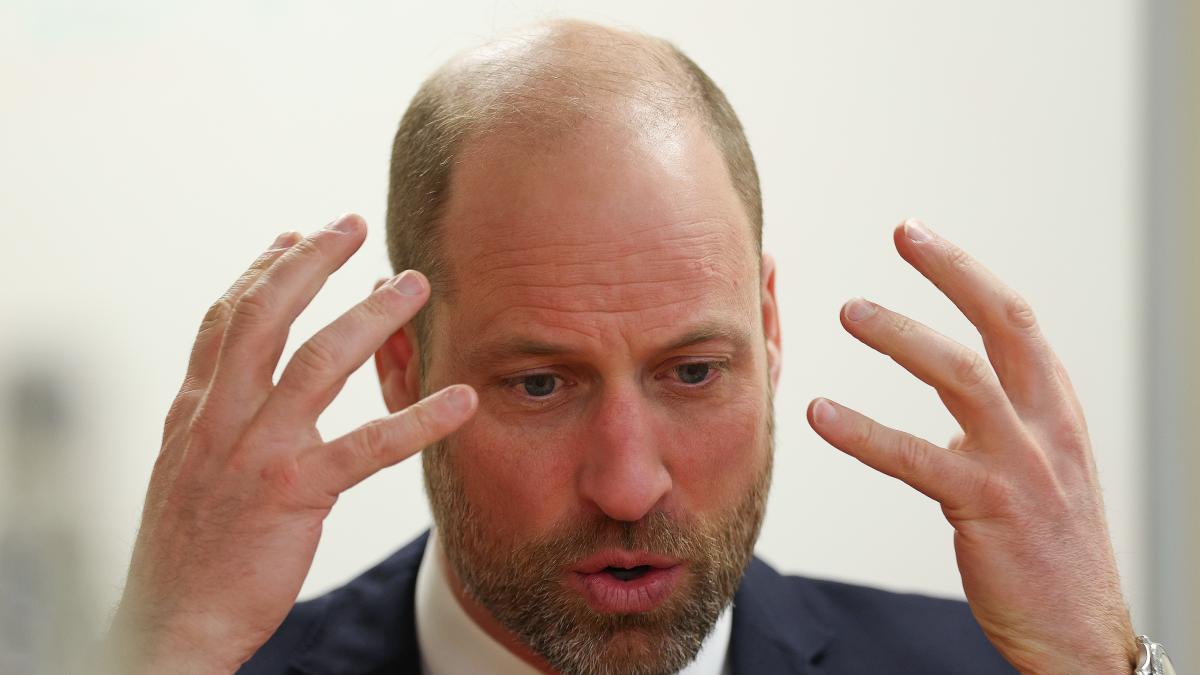
In the wake of the announcement, the focus shifted to the most prominent living link to the charity’s namesake. Prince William issued a statement expressing his sadness over the charity's closure. His words were a carefully crafted blend of personal grief and institutional gratitude. "Everyone whose dedication and hard work helped encourage thousands of young people over so many years and changed the world for the better," he wrote, "I want to thank you."
The charity’s history is inextricably linked to the royal family, and its collapse has brought that connection into sharp relief.
The statement was not just a formality; it was a recognition of the charity’s unique place in the royal family’s narrative. The Diana Award was never just another grant-giving body; it was a direct extension of the Princess’s own life’s work. The charity had been a constant in the lives of the royals, a tangible reminder of the Queen of Hearts’ enduring influence. For Prince William, who has increasingly taken on the role of the family’s moral compass, the collapse of the award was a personal blow, a reminder that even the most cherished legacies are vulnerable to the tides of time and fiscal reality.
To understand the significance of the collapse, one must look at the people the award was meant to serve. The organization had a profound impact on the lives of over 50,000 young people who received the prestigious Diana Award. These were not abstract figures; they were teenagers who had demonstrated exceptional courage, compassion, or service to their communities. Through various programs, the charity worked with thousands more, providing them with the mentorship and support they needed to turn their potential into action.
The award was a badge of honor, a validation of the hard work and dedication that young people pour into making their world a better place. It was a recognition that their efforts mattered, that they had the power to effect change. The fact that this network of young leaders is now left without the organizational structure that once supported them is a sobering thought. The charity’s collapse into administration means that its operations will be frozen, and its future is uncertain. The question now is whether the legacy of the award can survive the loss of its institutional home.
The charity’s history is inextricably linked to the royal family, and its collapse has brought that connection into sharp relief. Both Prince William and Prince Harry were strong supporters of the charity, though neither held an official position. Their involvement was a testament to the deep bond they shared with their mother’s memory. For years, the brothers have been the public faces of the Diana Award, attending events and lending their names to its cause.

Their support was not just symbolic; it was a source of legitimacy and funding for the organization. The fact that both brothers were so closely involved speaks to the importance of the charity in the royal family’s charitable strategy. It was a way for the family to honor Diana’s memory while also engaging with the next generation of leaders. The collapse of the award, therefore, is not just a financial failure; it is a personal one for the brothers, a reminder of the fragility of the institutions they have worked so hard to uphold.
As the charity enters administration, the focus will inevitably turn to what comes next. The insolvency practitioners will work to wind down the organization, ensuring that its remaining assets are distributed appropriately. But for the young people who have benefited from the award, and for the supporters who have dedicated their lives to its cause, the loss is profound. The charity’s collapse is a reminder that even the most well-intentioned projects can falter, that the legacy of a great idea is not immune to the realities of the modern world.
Prince William’s statement was a fitting farewell to a chapter of his life that was defined by his mother’s memory. He expressed his sadness, thanked supporters for their dedication, and noted that Diana's legacy continues in many forms. It is a sentiment that captures the essence of the award’s purpose. The Diana Award may be gone, but the spirit of the Princess it honored lives on in the thousands of young people it inspired. The challenge now is to ensure that this spirit endures, even in the absence of the organization that once gave it shape and purpose.