In the modern digital economy, security is often viewed as a fortress—a series of high walls and deep moats built around a company's most precious data. But for many of the world's largest organizations, the fortress has a back door that they didn't even know they had built. On November 17, 2026, that back door was kicked wide open. This was not a targeted strike against a single entity, but a systemic failure that rippled through the interconnected web of global commerce.

Hackers successfully compromised the Optimizely Web platform, a third-party service used by major organizations to manage and optimize their digital presence. By gaining control of this shared service, the attackers bypassed the individual, robust network security measures of the companies using it. They didn't have to pick the locks of 178 different fortresses; they simply poisoned the well that all those fortresses relied upon.
The scale of the compromise was staggering. The breach exposed the visitors of 178 major organizations to malicious scripts. These scripts, pieces of code designed to execute specific, often harmful, actions without the user's knowledge, were injected directly into the websites people trust every day. When a user visited a compromised site, their browser unwittingly ran the attackers' instructions.
The attackers were not merely looking for access; they were looking for assets.
The targets were not obscure corner-cases; they were the pillars of the digital and information landscape. Household names like Zoom, the video conferencing giant, and CNN, the news powerhouse, were among the 178 organizations whose websites became vectors for this digital contagion. For the average user, the websites looked exactly as they always had, but underneath the surface, the foundation had been compromised.

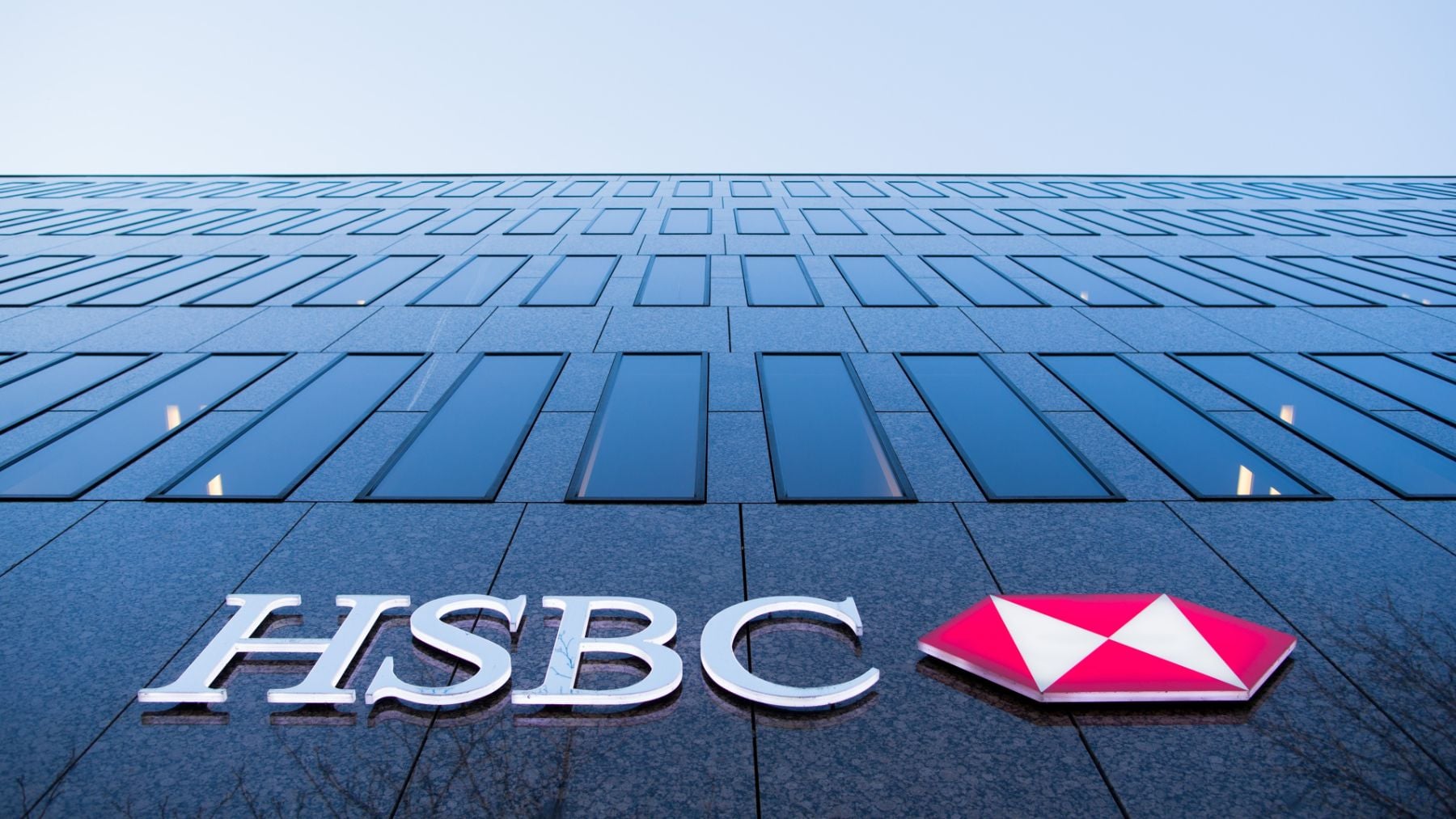
BREAKING: A cyberattack hit 178 major organizations, including Zoom, CNN, BBC, Fox News, HSBC, Ledger, Equifax, Salesforce, IKEA and Air France-KLM, by loading malware on the Optimizely Web platform, exposing visitors to scripts built to steal payment data and exploit iOS devices, per security firm Report URI. Banking and finance was the hardest-hit sector, with 32 organizations affected, including the UK's HSBC across multiple markets such as the US, Hong Kong, Mexico, Singapore, Australia and the UAE.
While the breach touched various sectors, the impact was most acutely felt where trust is the primary currency: the banking and financial services industry. This sector proved to be the most heavily hit, with 32 different organizations impacted across multiple global markets.
In the world of finance, a breach is more than a technical glitch; it is a direct assault on the stability of transactions. The attackers were not merely looking for access; they were looking for assets. The malicious scripts were specifically engineered to harvest payment information, turning the very tools meant to facilitate commerce into instruments of theft. For the 32 financial institutions caught in the crossfire, the breach represented a profound challenge to the security of their customers' most sensitive data.
Beyond the theft of credit card numbers and banking details, the attackers deployed a more sophisticated weapon: the exploitation of iOS vulnerabilities. This moved the threat from the website to the user's personal hardware. By targeting the operating system used by millions of Apple mobile devices, the hackers sought to gain deeper, more persistent control over the devices themselves.
This dual-pronged approach—stealing data from the browser while simultaneously attempting to exploit the underlying mobile operating system—demonstrates a high level of strategic intent. It wasn't just about a one-time theft of a password; it was about leveraging a single point of failure in a third-party provider to reach into the pockets and the personal devices of users worldwide.

BREAKING: 🚨 A major CYBER-ATTACK hit 178 big companies, Including Zoom, BBC, CNN, FOX NEWS, SALESFORCE, IKEA & LEDGER, through 'Optimizely'. Banking and finance was the hardest-hit sector with 32 organizations affected, including HSBC in the US, Hong kong, Mexico, Singapore, Australia & UAE. The malware tried to steal credit card details, sawp crypto wallet addresses & target IOS device's. $7,404 in cryptocurrency was already traced to the attackers.
This incident serves as a stark illustration of the systemic risks inherent in the modern software supply chain. Most large companies do not build every piece of their digital infrastructure from scratch; they rely on a complex web of third-party providers like Optimizely to provide specialized functionality. This efficiency is the engine of the modern internet, but it also creates a concentrated point of failure.
When a single provider is compromised, the security of every client using that provider is instantly called into question. The hackers didn't need to defeat the security teams at HSBC or Zoom; they only needed to defeat the security of the service those companies trusted. It is a reminder that in a hyper-connected world, your security is only as strong as the weakest link in your digital ecosystem.