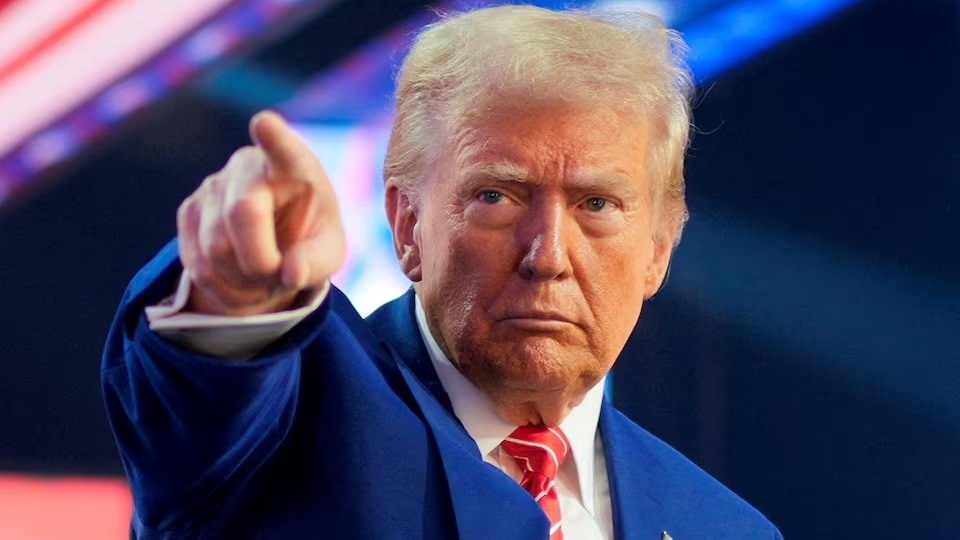
It has been six days since the ink dried on the midterms, and the political temperature in Washington remains feverish. For most of the country, the election cycle closed with the administrative finality that follows such contests. But for President Donald Trump, the results were not a verdict; they were a suspect. Six days after the Republican Party suffered losses in the midterm elections, Trump returned to a familiar platform—his personal social media channel, Truth Social—to cast doubt on the fundamental fairness of the contest. The post was not subtle. It did not merely offer a complaint about specific district outcomes or a plea for audits. Instead, it launched a broader, structural interrogation of the electoral apparatus itself, asking his followers to wonder if the process had been conducted honestly at all.
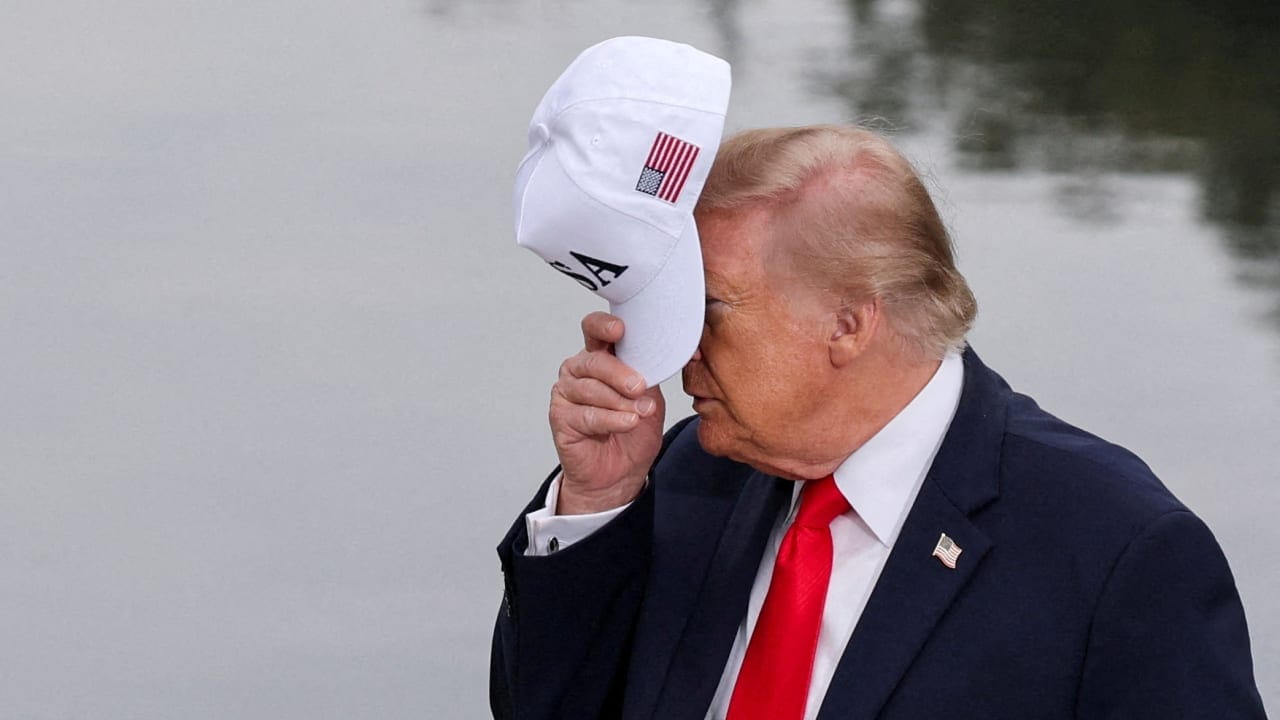
The core of Trump's grievance rests on a specific, if nebulous, technological claim. In his post, he suggested that voting machines had exerted more influence on the final results than the voters themselves. This is a claim that defies the basic logic of democratic participation, yet it finds fertile ground among those who have spent years navigating the landscape of post-election disputes. Trump pointed to the sharp discrepancies between pre-election polling data and the actual outcomes on the ballot. To him, this gap was not a standard measure of political volatility or polling error; it was a symptom. It was evidence, in his framing, that the machinery was compromised. By blaming the physical tools of voting, Trump elevated a statistical discrepancy into a mechanical one, suggesting that the device, rather than the voter, held the ultimate power in the chamber.
For anyone who has tracked the political history of the last decade, this narrative feels like a reprise of an old song. These latest comments are the current iteration of a pattern Trump established with his loss in 2020. Back then, the claims were different in their specific details but identical in their intent: the conviction that the result was wrong, regardless of the evidence. The legal battles that followed those allegations were unsuccessful, and the evidence provided to support them was largely deemed lacking. Yet the memory of that conflict lingers, creating a persistent undercurrent of instability. By returning to the theme of dishonest elections, Trump is not just reacting to a recent loss; he is maintaining a continuous line of argument that stretches back to 2020, effectively preventing subsequent cycles from being treated as clean breaks from the past.
The timing is critical: he is postulating these doubts at a moment when the physical and emotional infrastructure of the 2020s is still healing.
The reason this latest post lands with such specific weight is that it is inextricably linked to a historical scar: the attack on the US Capitol on January 6, 2021. That day was not an isolated incident; it was the culmination of election fraud claims that had swirled for months after 2020. Trump's supporters, driven by the belief that the election was stolen, took to the streets and then to the halls of the legislature. The current claims about the midterms therefore do more than stir up political debate; they reignite the danger of violence that those earlier claims incited. By suggesting that the midterms may have been dishonest, Trump is walking back toward the precipice that broke the country two years prior. The timing is critical: he is postulating these doubts at a moment when the physical and emotional infrastructure of the 2020s is still healing.
Specifically, Trump's post highlighted the chasm between what the public was told they would win, according to pre-election polls, and what actually happened. In political science, a gap like this is usually a puzzle of methodology. But in the arena of post-election disputes, the gap becomes a weapon. By pointing to the polling results, Trump provided a metric for his doubt. If the public was misled by the polls, then the public's trust in the process is broken. This allows him to frame the Republican loss not as a policy failure or a leadership gap, but as a systemic malfunction. The message to the base is clear: the system is broken, and the only fix is to question the system.
On Truth Social, the language used was direct and provocative. He asked his followers if they could have any confidence that the elections were conducted honestly. He questioned, in a direct appeal to intuition over data, whether the people who cast ballots could feel that the process was fair. These are not technical questions about ballot counting or paper trails. They are emotional appeals to a deep-seated fear that has been cultivated for years. The post served to consolidate his base around a shared suspicion, keeping the energy of the 2020 grievance alive and repurposing it for a new electoral context.
The impact of this move cannot be understated. It transforms a midterm election, which should be a standard mid-cycle check on power, into another referendum on the nature of American democracy. By raising the question of integrity so soon—just six days after the votes were counted—Trump sets the tone for the remainder of his term. He signals that the loss will not be digested quietly. It will be litigated in the court of public opinion, with the goal