
In the intricate machinery of Indian finance, gold has long served as more than just a cultural cornerstone; it is a vital form of collateral. For millions, the jewelry tucked away in safes represents a liquid lifeline, a way to unlock capital when the need arises. This has fueled the meteoric rise of the nation's gold-loan sector, an industry that has expanded almost fivefold in just five years. Today, that sector stands as a massive $247 billion pillar of the economy, accounting for 2.5 percent of all bank credit in India.
But the stability of this massive market relies on a simple, mathematical certainty: the value of the gold must remain high enough to cover the debt. When the price of bullion fluctuates wildly, the safety net provided by that collateral begins to stretch thin.
That safety net is currently under immense pressure. This is not merely a change in market sentiment; it is a fundamental shift in the math that governs lending.
This distress suggests that the ability of individuals to service their loans is being tested as the economic landscape shifts.
When a borrower takes out a gold loan, they are essentially betting that the metal's value will stay ahead of their debt. For lenders, the risk is that the collateral becomes worth less than the money they have handed out. To mitigate this, regulations allow banks and shadow lenders to lend up to a maximum of 85 percent of the metal's value. This margin is intended to act as a buffer, a cushion to absorb price swings without the lender losing money.
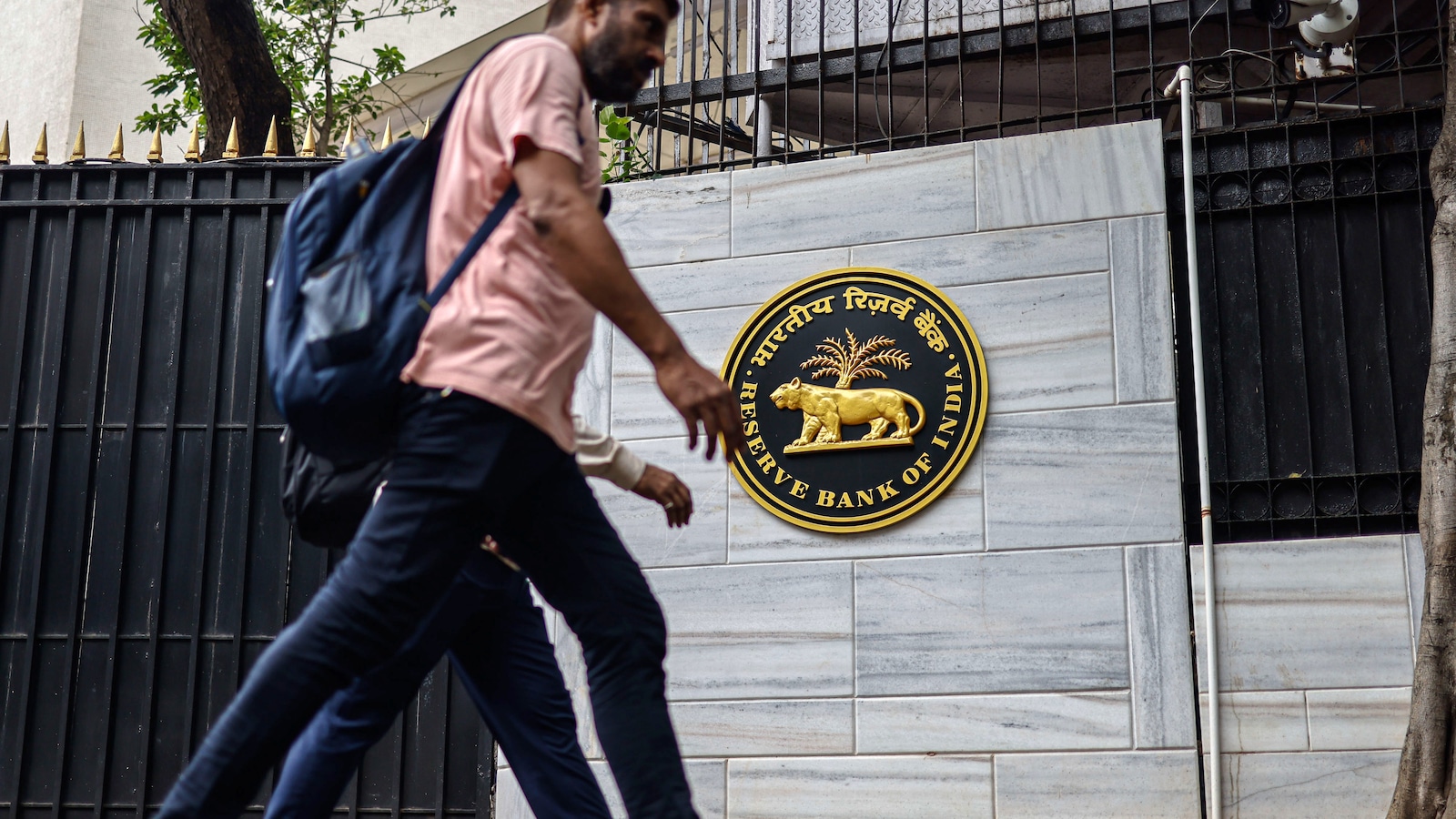
As the price of gold retreats, the Reserve Bank of India has moved to ensure those buffers are actually holding. The nation's banking regulator is stepping up its scrutiny of the sector, deploying supervisory officers to investigate the health of these portfolios.
The RBI's focus is precise and protective. Officials are reviewing early indicators of stress, closely examining asset quality and the specific loan amounts being issued against pledged gold. The central bank is checking to see if lenders are breaching the 85 percent threshold—essentially ensuring that they aren't lending too much against metal that is rapidly losing its luster.
The regulator's heightened vigilance does not come without cause. The tremors in the market were first felt by the shadow lenders—non-bank financial entities that often operate with more agility, and sometimes more risk, than traditional banks. In the quarter ended September 30, these lenders began spotting clear signs of distress among borrowers.
This distress suggests that the ability of individuals to service their loans is being tested as the economic landscape shifts. While some larger players attempt to maintain tight control, the cracks are becoming harder to ignore. Lenders are watching metrics with intense scrutiny as they signal the point where loans stop being repaid.
Perhaps the most complex aspect of this crisis is that much of the gold-lending activity happens where the regulator cannot easily see. While the RBI monitors the formal banking system, approximately 60 percent of the gold-lending market remains informal.
In these unregulated corners, the rules regarding loan-to-value ratios and asset quality are often opaque. This massive informal share means that while the $247 billion sector is a major economic force, a significant portion of its risk is unmapped. If the gold price slump continues to trigger defaults, the contagion could move from the formal banks into the broader, less-regulated economy.
The current volatility is not expected to be a fleeting moment. The stress within gold credit portfolios is projected to persist over the next few quarters. As the industry grapples with the fallout of the price decline, the tension between the need for credit and the necessity of collateral security will only intensify. For now, the watchful eye of the Reserve Bank of India remains fixed on the scales, waiting to see if the gold will hold its weight.