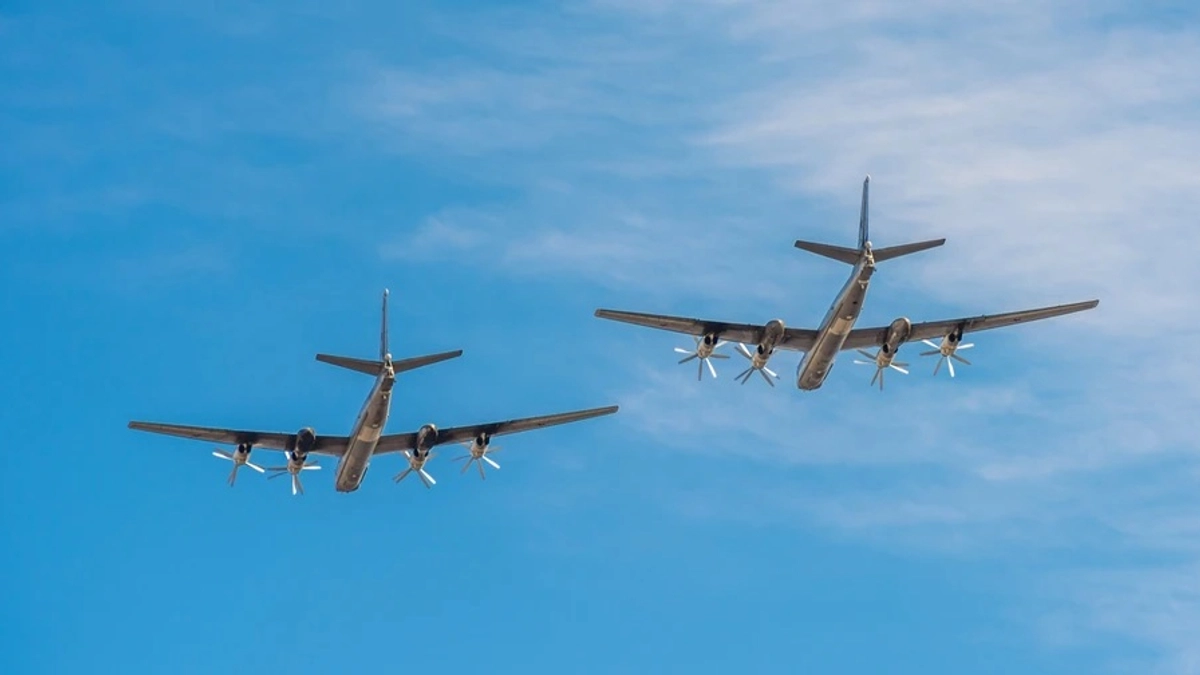
On a Tuesday morning in November 2026, the normally tranquil skies near Okinoshima Island in Japan's Fukuoka Prefecture were suddenly disturbed. Two aircraft, identified as Russian, had allegedly violated Japanese airspace—a serious incitation that immediately triggered a response from Tokyo's defense forces. The incident wasn't just a technical violation; it represented what Japanese officials described as a direct challenge to national sovereignty and security.
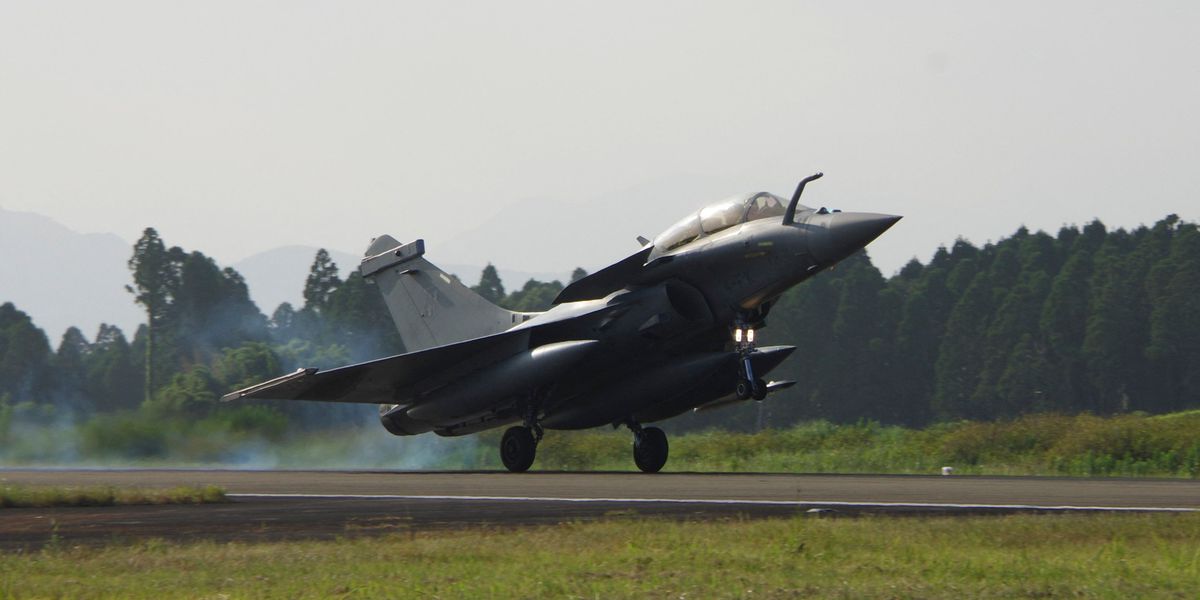
Japan's Defense Ministry confirmed the intrusion, prompting the scramble of Self-Defense Force fighter jets to intercept and warn the intruding aircraft. The response was immediate and deliberate, reflecting the seriousness with which Tokyo viewed the violation. "The violation of our national airspace by Russian aircraft is not only a serious violation of our country's sovereignty, but also a threat to our security and completely unacceptable," stated Chief Cabinet Secretary Minoru Kihara, who emphasized that Japan had lodged a "very sharp protest" through diplomatic channels.
This incident didn't occur in isolation. It unfolded against a backdrop of already strained relations between Japan and Russia. Recent months had seen tensions escalate following the arrest of a Japanese journalist in Russia on espionage charges, alongside ongoing disputes regarding the management of Japan Tobacco's Russian operations. The airspace violation appeared to be another chapter in this increasingly fraught relationship, with each side seemingly testing the other's resolve.
These incidents, occurring on the same day, highlight the complex security dynamics in East Asia.
As Japan dealt with its airspace violation, South Korea reported a separate but related incident. Russian military aircraft briefly entered the Korea Air Defense Identification Zone (KADIZ), though they stopped short of violating actual South Korean airspace. The distinction is important: while an ADIZ is an area beyond national airspace where aircraft are required to identify themselves, it doesn't carry the same legal weight as sovereign territory. Still, the South Korean Joint Chiefs of Staff deemed the incursion significant enough to precautionarily launch fighter jets, stating they were "in case of an unexpected development."
Russia responded to both incidents with a firm defense of its actions. Regarding the South Korean situation, Moscow stressed that "KADIZ creates no legal obligations for other states and that all Russian military flights comply strictly with international airspace regulations." This position reflects Russia's historical stance on such zones, which many countries—including Russia itself—have established unilaterally without universal recognition of their legal authority.
These incidents, occurring on the same day, highlight the complex security dynamics in East Asia. They demonstrate how military posturing can quickly escalate tensions, even when no actual sovereign territory is violated. For Japan, the airspace violation near Okinoshima Island represented a direct challenge that couldn't be ignored, prompting both military and diplomatic responses. For South Korea, the ADIZ incursion, while less severe, still required vigilance and precautionary measures.
As of November 17, 2026, diplomatic protests have been lodged, fighter jets have been scrambled, and statements have been exchanged. The fundamental tensions that led to these incidents remain unresolved. The airspace violations, whether deliberate provocations or operational errors, have added another layer of complexity to an already delicate regional security landscape. In the contested skies above East Asia, what happens next remains uncertain, but the recent incidents suggest that the skies over this region will likely remain a focal point of geopolitical tensions for the foreseeable future.