
For those who navigate the bustling streets of Hyderabad, the presence of the police is a constant, often invisible backdrop to daily life. But for the state of Telangana, the command structure of that force is not static. It is a machine that requires periodic recalibration. In November 2026, the Telangana government executed a significant administrative maneuver, shaking up the ranks of its Indian Police Service (IPS) officers. The move was not merely a routine rotation of duties; it was a calculated reorganization of twenty-one senior cadre officers. This number—twenty-one—may sound specific, but it represents the upper echelons of the state’s law enforcement hierarchy, individuals whose decisions ripple down through thousands of constables and sub-inspectors. The announcement signaled that the state was ready to reset its approach to public safety, moving its most experienced hands to new, critical posts to address emerging challenges.
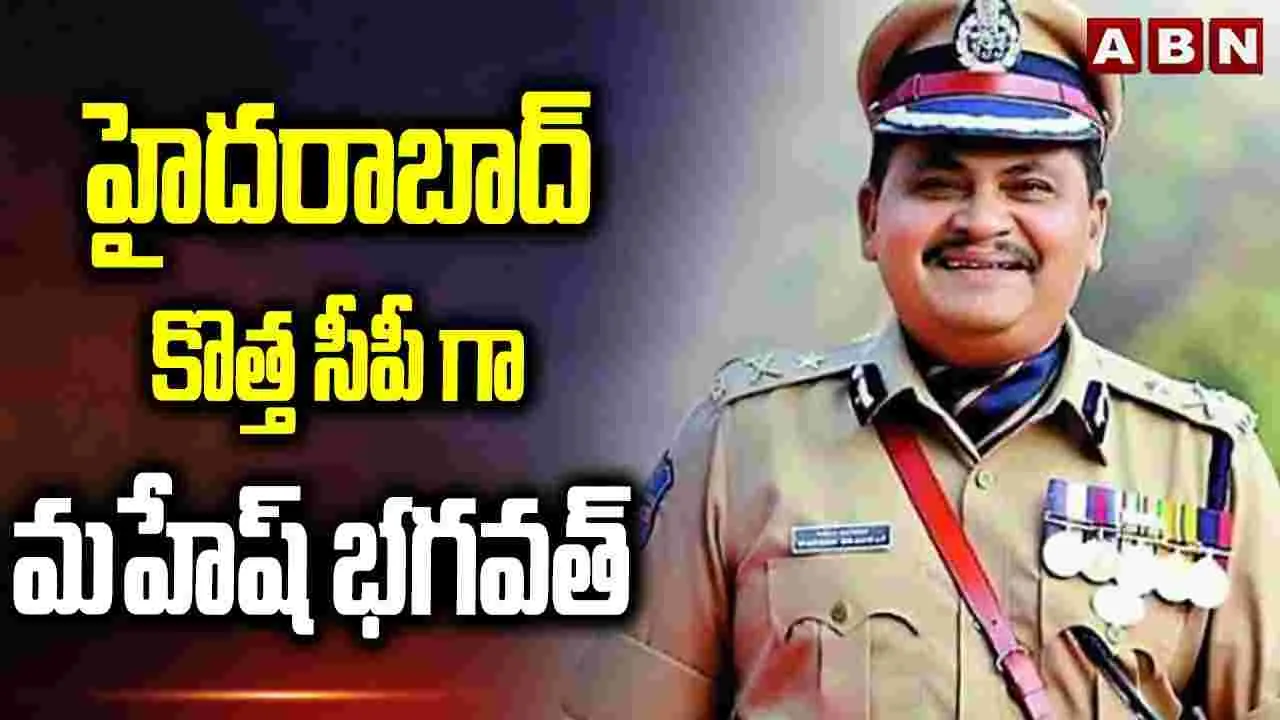
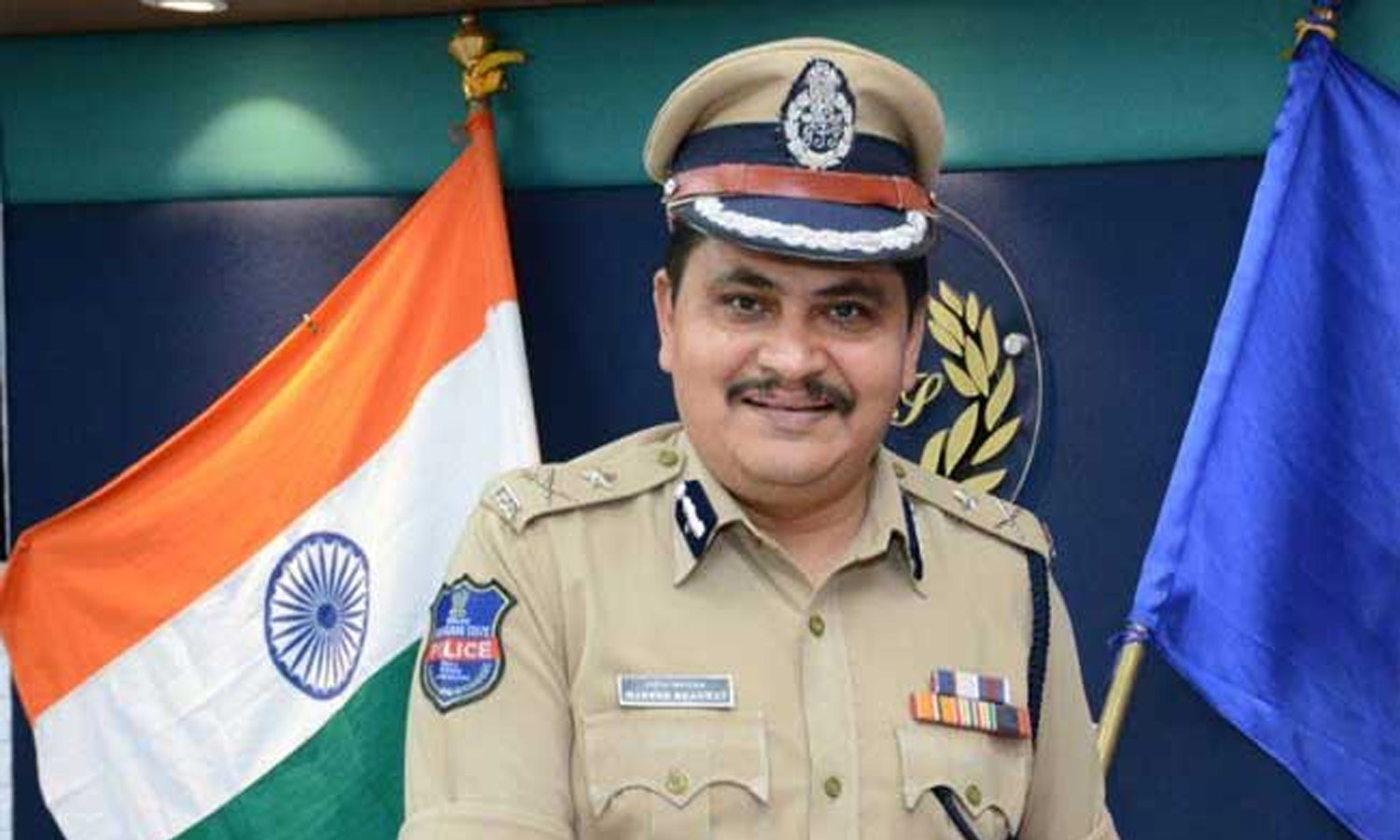
At the center of this reshuffle was a particular appointment that drew immediate attention: the installation of Mahesh Muralidhar Bhagwat as the new Commissioner of Police for Hyderabad. Bhagwat is a senior IPS officer who had been serving as the Director General of Police for Law and Order (DGP Law & Order). This is a crucial distinction. In the Indian police framework, the Law and Order wing deals with the most volatile aspects of public life: riots, major crime, and counter-insurgency. By moving a law-and-order specialist to the helm of Hyderabad’s police department, the government was effectively prioritizing strict public order and security over other administrative facets. Bhagwat takes over a city that is one of India’s largest urban centers, where balancing economic growth with social stability is a perpetual tightrope walk. His appointment marks a clear strategic choice: the city’s police force would now be led by a hand accustomed to high-pressure crisis management.
If the new appointment marks the forward movement of the state’s policy, the departure of the previous officer marks its pivot. V.C. Sajjanar, the outgoing Commissioner of Police, was not removed in the traditional sense of a punishment. Instead, he was posted to the position of Director General of Telangana Fire, Disaster Response, Emergency, and Civil Defence. This is a role that carries its own significant weight, particularly in a region prone to specific environmental and urban disasters. The transfer also included additional charge of the Special Protection Force, a unit dedicated to high-level security. For an officer of Sajjanar’s stature, this move represents a shift from the daily grind of urban policing to the management of state-wide emergency infrastructure. It is a role that requires a different skill set: one focused on coordination, disaster planning, and rapid response rather than street-level crime control. This move effectively clears the desk for Bhagwat to implement a fresh vision for the city’s law and order situation without the shadow of a long-reigning predecessor.
Similarly, Swati Lakra (also referenced as Swathi Lakhra in some reports) was appointed as the Director General of the Prisons Department.
While the Hyderabad post is the headline act, the broader reshuffle involved a comprehensive realignment of the state’s security architecture. The Telangana government did not just move one or two officers; they reorganized the entire senior cadre. This approach suggests a desire for synergy among different security divisions. For instance, Dr. Soumya Mishra was appointed as the Director General of Police for Women and Safety. This is a dedicated wing focused on the specific vulnerabilities faced by women in the state, often involving specialized 'She Teams' for rapid intervention. Her appointment signals that the government is treating women’s safety not as a subset of general crime, but as a primary operational priority with its own dedicated leadership. Similarly, Swati Lakra (also referenced as Swathi Lakhra in some reports) was appointed as the Director General of the Prisons Department. The prison system is a critical part of the criminal justice chain, and placing a senior IPS officer at its head ensures that the state’s correctional facilities are managed with the same rigor as its active policing forces.
Perhaps one of the most telling moves in this twenty-officer-plus reorganization was the appointment of Charu Sinha as the Director General of the Anti-Corruption Bureau, or ACB. The ACB is the state’s primary tool for internal policing, tasked with investigating corruption within the police force and other government departments. Placing a senior officer like Sinha in this role serves a dual purpose: it strengthens the investigative capacity of the bureau, and it acts as a deterrent. When the leadership of the anti-corruption body is visible and active, it reinforces the idea that the state is committed to holding its own officials accountable. This is a subtle but powerful message to the rest of the police hierarchy, suggesting that the new administration under the reshuffle is focused not just on external crime, but on internal integrity.
The reshuffle did not stop at the top-tier Director General roles. Vikram Singh Mann was set to take charge as the Director General of Police for Operations. This role is the engine room of the police force, managing the day-to-day tactical deployments across the state. By appointing a strong operations chief, the government ensured that the strategic directives issued by the DGP would be translated into effective field actions. Alongside this, Akun Sabharwal was appointed as the Additional Director General of Police for Law and Order. This creates a clear chain of command for the state’s most sensitive security matters, with Sabharwal supporting the broader law-and-order strategy. These roles are less visible to the general public than the Commissioner of Police, but they are the gears that keep the entire machine running. Without strong operations and intelligence leadership, the high-level appointments in Hyderabad and the women’s safety wing would lack the logistical support to function effectively.
It is important to understand that these transfers are not isolated incidents. They are part of a broader administrative culture in Indian states, where the central or state government holds the power of posting and transfer. For senior IPS officers, these moves can be career-defining. A posting to a major city like Hyderabad is often seen as a mark of trust and high visibility, but it also comes with intense scrutiny. Conversely, moving to a specialized role like fire and disaster response, as Sajjanar did, is a move to a different sector entirely, often seen as a way to keep an officer in a position of respect and responsibility without placing them in the public spotlight of urban policing. The Telangana government’s decision to move twenty-one officers simultaneously suggests a desire to break up existing cliques or networks that may have formed under previous administrations. By reshuffling the board, the new administration can ensure that loyalty is directed toward the new policy priorities, rather than old personal alliances.
As these new officers take up their posts, the Telangana state police force enters a new phase. The combination of a law-and-order expert in the city, a dedicated head for women’s safety, a robust anti-corruption chief, and a strong operations commander points to a state that is looking to modernize its approach to public safety. The goal is efficiency: a faster, more responsive, and more accountable police force. For the citizens of Hyderabad and the rest of Telangana, this reshuffle is a signal that the state government is actively managing its security apparatus, not just reacting to events, but proactively shaping the environment in which their police forces operate. The next few months will determine whether this structural change translates into tangible improvements on the ground, but the intention behind the twenty-one transfers is clear: a fresh start for state security.