
For the 12,000 people gathered at the Co-op Live arena on Sunday night, the evening was supposed to be defined by the rhythm of Don Toliver’s performance. Instead, the music was cut short by a sensory assault that turned a high-energy concert into a scene of confusion and physical distress. It began not with a sound, but with a smell—a scent so pervasive and unpleasant that concertgoers immediately grew uneasy. Within moments, the atmosphere shifted from celebration to alarm as reports surfaced of an unknown substance being released into the crowd.
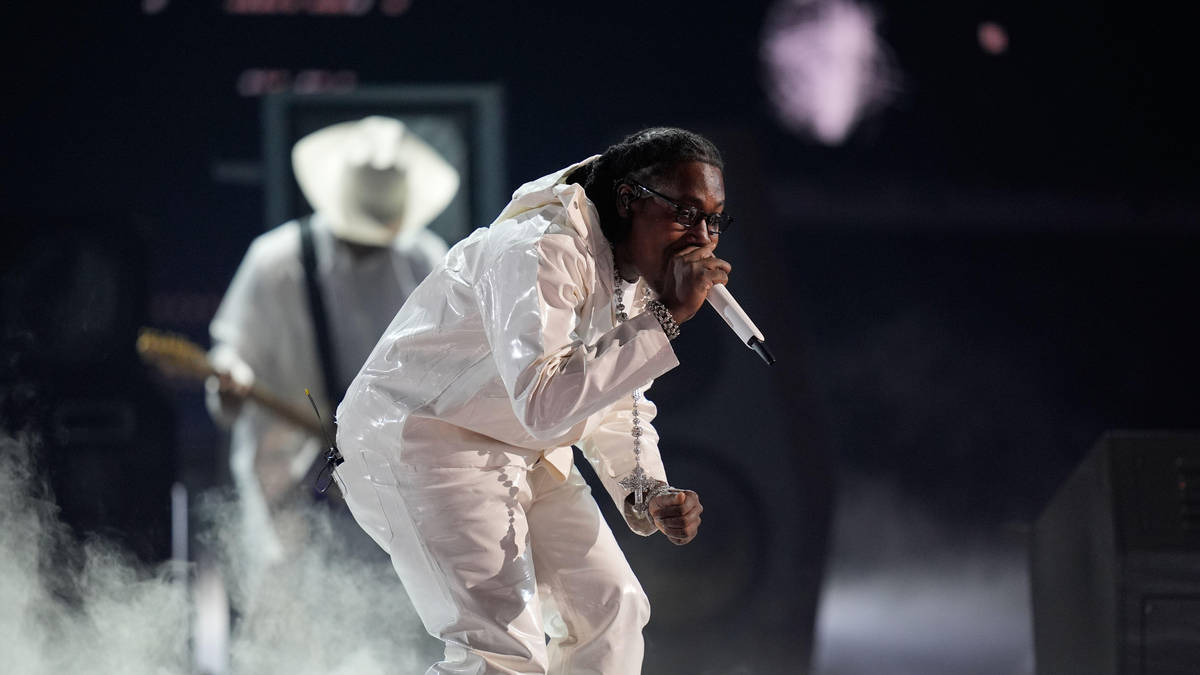
Initial fears among the attendees centered on the possibility of tear gas, a common irritant used in crowd control that can cause immediate physical reactions. As the smell intensified, the reality of the situation became impossible to ignore. The venue was quickly evacuated, sending thousands of fans into the night as they sought fresh air, leaving behind a concert hall filled with the remnants of a disrupted performance and a growing number of people struggling with sudden physical symptoms.
As the evacuation unfolded, the scale of the medical impact became clear. While the exact nature of the substance remained a mystery, its effects were tangible. Ben Stevenson, one of the many affected, described the onset of symptoms as a sudden, jarring physical reaction: "started coughing and (my) eyes were kind of itchy."
In the aftermath of the evacuation, the psychological weight of the event began to settle on those involved.
In total, 89 individuals displayed symptoms believed to be linked to the exposure. The medical response was immediate and significant. Medics treated over 80 people for respiratory and eye irritation on-site. The severity of the incident necessitated the deployment of Hazardous Area Response Teams, specialized units trained to handle medical emergencies in environments where chemical or biological threats may be present. While most were able to be managed at the scene, the impact was not uniform; one woman required more intensive care and was transported to the Manchester Royal Infirmary for assessment.
With the arena cleared, the focus shifted from the music to the immediate safety and hygiene of the displaced crowd. For 88 of the symptomatic attendees, the process of dry decontamination was required at the scene. This procedure is a critical step in managing exposure to unknown substances, helping to remove particulates from clothing and skin to prevent further irritation or absorption. Following this process, these individuals were accommodated at the Etihad Stadium.
In the aftermath of the evacuation, the psychological weight of the event began to settle on those involved. Tom Wells noted the emotional residue of the night, observing that "many families will understandably be anxious this morning." The transition from a night of entertainment to a medical and police-led emergency left a lingering sense of uncertainty among the thousands who had been present.
As the crowd dispersed, the Greater Manchester Police moved in to secure the site and begin the forensic work required to understand what had occurred. The investigation is currently centered on testing items found at the venue to determine both the chemical nature of the substance and its point of origin. Despite the scale of the evacuation and the number of people affected, authorities have sought to manage public concern regarding the scope of the event.

Greater Manchester Police characterized the event as an "isolated incident and there is no wider threat to the public." However, the investigation into the source of the substance remains active. Assistant Chief Constable Tom Harding emphasized the ongoing nature of the work, stating, "Inquiries remain ongoing to establish the nature of the substance, where it came from and any associated risk."
The disruption at Co-op Live has had immediate consequences beyond the walls of the Manchester arena, rippling through the remainder of the tour schedule. The logistical fallout of managing a mass evacuation and the subsequent investigation has directly impacted Don Toliver's upcoming appearances.
Specifically, the rapper’s scheduled performance at London’s O2 Arena has been postponed. An O2 Arena representative explained the decision, citing the chaos in Manchester: "Due to production delays following last night’s show at Co-op Live in Manchester, tonight’s Don Toliver concert at The O2 is rescheduled to December 15." For fans who had already secured tickets for the London date, the venue confirmed that those tickets will remain valid for the new December date.
As of now, the incident remains an open inquiry. While the immediate physical threat has been mitigated and the crowds have been moved to safety, the question of how an unknown substance was released into a major arena remains unanswered. No arrests have been made in connection with the release, and the police continue to follow leads as they analyze the materials recovered from the Co-op Live site. For the 89 people who experienced the night's sudden turn, the focus remains on recovery, while for the authorities, the focus is on determining whether this was a freak occurrence or a deliberate act.