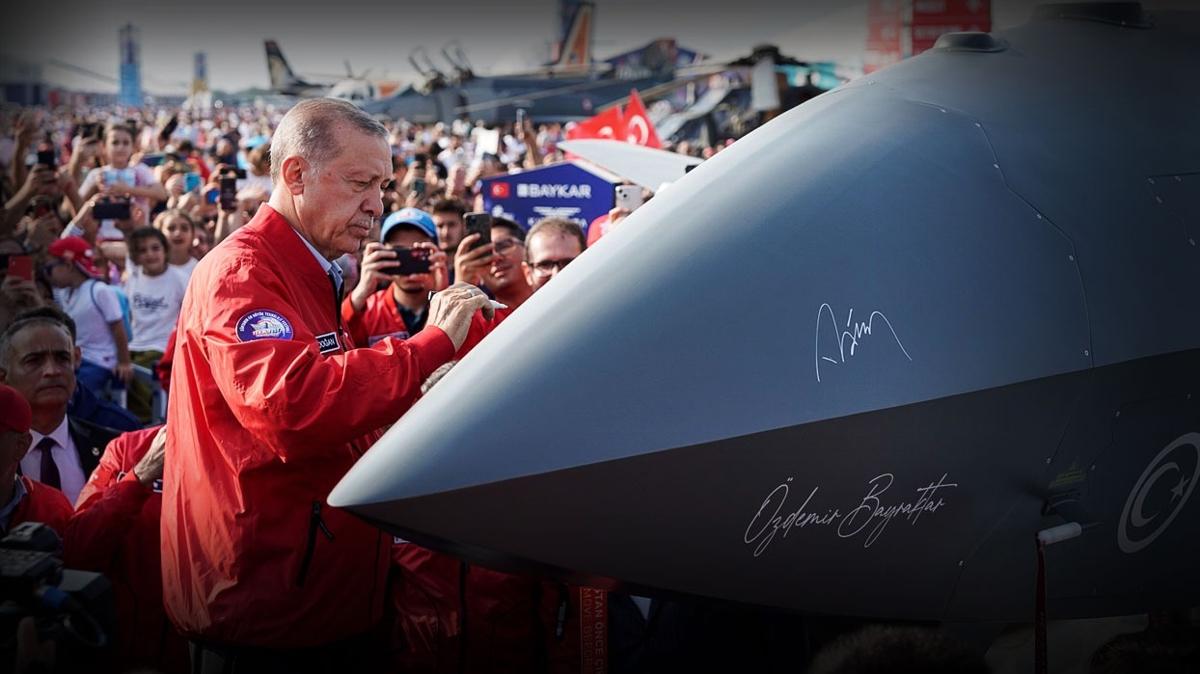
In the high-stakes theater of modern aerial warfare, the line between human intuition and machine precision is blurring. For Turkey, this shift is no longer a theoretical discussion found in defense journals, but a tangible reality now patrolling its skies. On November 19, 2026, a significant chapter in the nation's military history was written as the Bayraktar Kizilelma, a domestically produced unmanned combat aerial vehicle (UCAV), was officially added to the inventory of the Turkish Armed Forces.
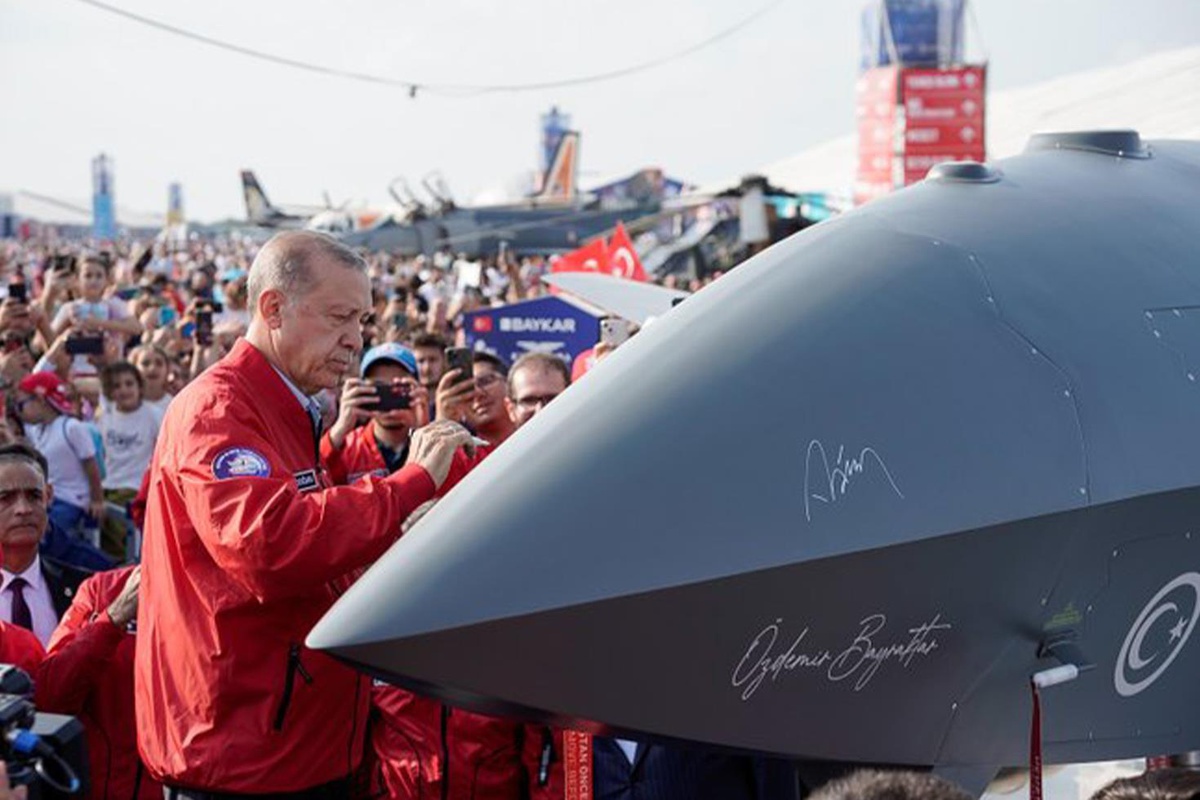
This is not merely the arrival of a new piece of hardware; it is the culmination of a profound technological journey. The Kizilelma represents a leap toward a future where unmanned systems are not just auxiliary tools, but central pillars of aerial doctrine. By integrating this platform into the national inventory, Turkey has signaled a decisive move toward self-reliance in the increasingly complex arena of unmanned combat.
Behind the sudden visibility of the Kizilelma lies a long, arduous process of engineering and persistence. The transition from a blueprint to a combat-ready asset is rarely a straight line, and the Turkish leadership has been careful to frame this moment as the fruit of intense, sustained labor. This was not an overnight achievement but the result of years of research and development, characterized by significant effort from the nation's defense sector.
What makes the Kizilelma a distinct evolution in aerial capability is its versatility in how it interacts with the existing air fleet.
President Recep Tayyip Erdogan, addressing the significance of the induction, noted that the aircraft's entry into service was the end result of a long-term commitment to domestic innovation. He described the achievement as the conclusion of years of work and great effort, emphasizing that the project was a pursuit of a larger ambition. The Kizilelma is the physical manifestation of that ambition, moving from the laboratory and the testing range into the active service of the military.
What makes the Kizilelma a distinct evolution in aerial capability is its versatility in how it interacts with the existing air fleet. Unlike traditional drones that operate as isolated observers, the Kizilelma is designed with a sophisticated operational philosophy. It is engineered to function both independently and in tandem with manned aircraft.
This ability to operate alongside human pilots creates a hybrid combat environment. In such a system, the unmanned combat aerial vehicle can act as a force multiplier—taking on high-risk missions, providing reconnaissance, or engaging targets, all while working in concert with traditional fighter jets. This synergy allows for a more complex and layered approach to air superiority, where the strengths of human decision-making are augmented by the speed and persistence of unmanned technology.
For the Turkish defense industry, the induction of the Kizilelma serves as a benchmark of capability. The project has been framed as a matter of national importance, representing a step forward in the country's ability to design, build, and deploy advanced combat systems without external reliance. The successful integration of such a complex UCAV into the Turkish Armed Forces inventory suggests a maturing ecosystem of domestic aerospace engineering.
As the Kizilelma begins its service, it stands as a symbol of a completed cycle: from the initial spark of a research project to the deployment of a combat-ready machine. The milestone reached on November 19, 2026, marks the moment where a long-held dream of domestic aerial autonomy transitioned from a strategic goal into a functional reality of the Turkish military's arsenal.