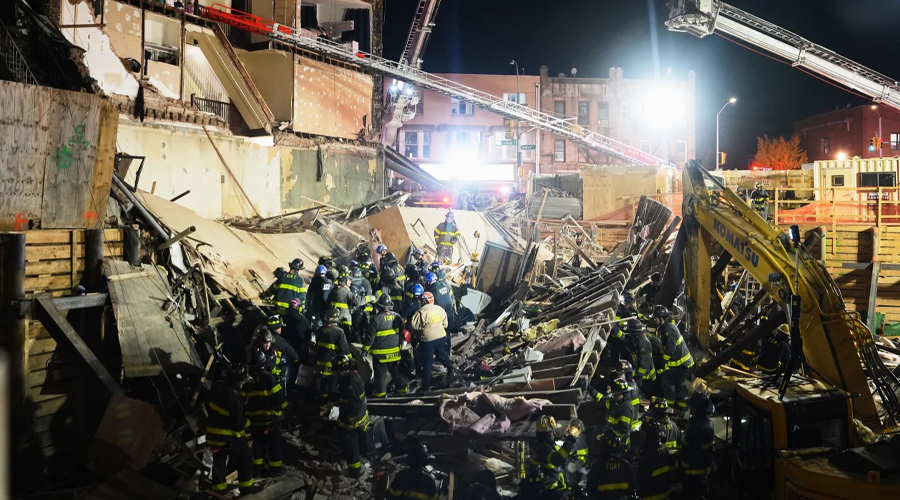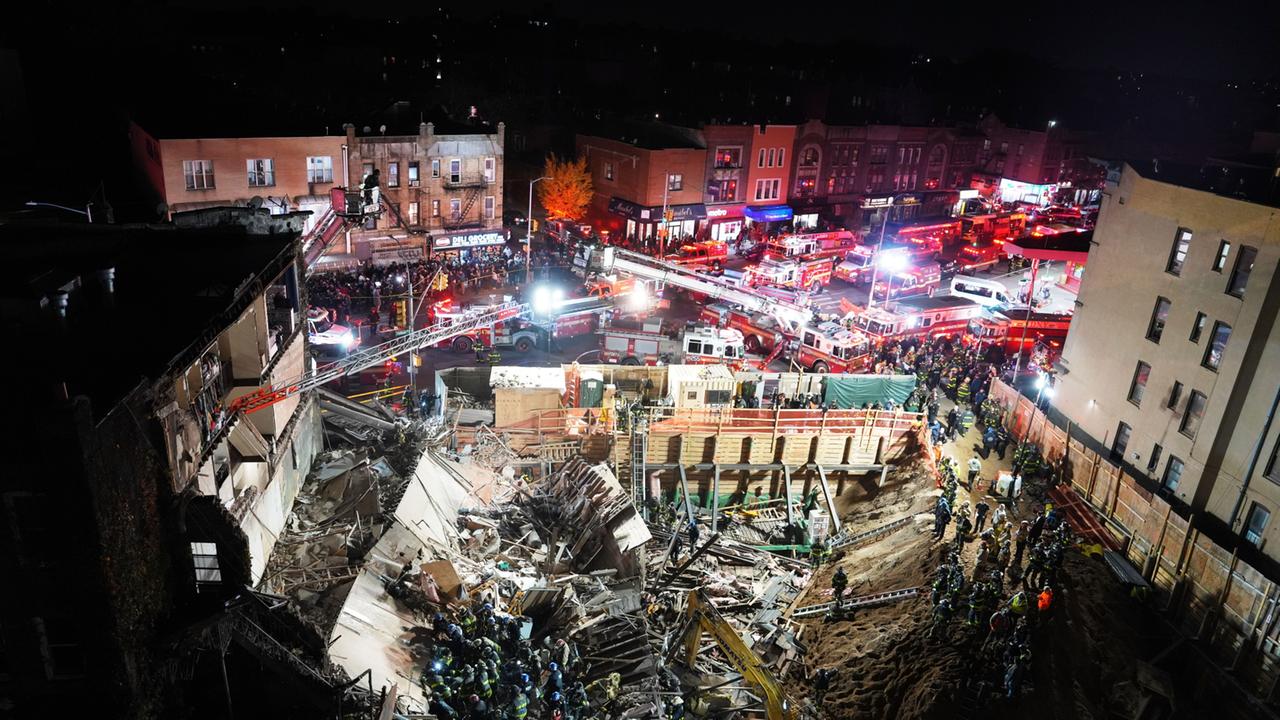
On November 12, 2026, a catastrophic collapse occurred in Brooklyn, interrupting the ordinary sounds of city life. A three-story building crumbled without warning, trapping residents in a mountain of debris and dust. What began as a routine morning quickly transformed into a scene of chaos and urgency as emergency responders rushed to the scene, their sirens cutting through the stunned silence of the surrounding community.
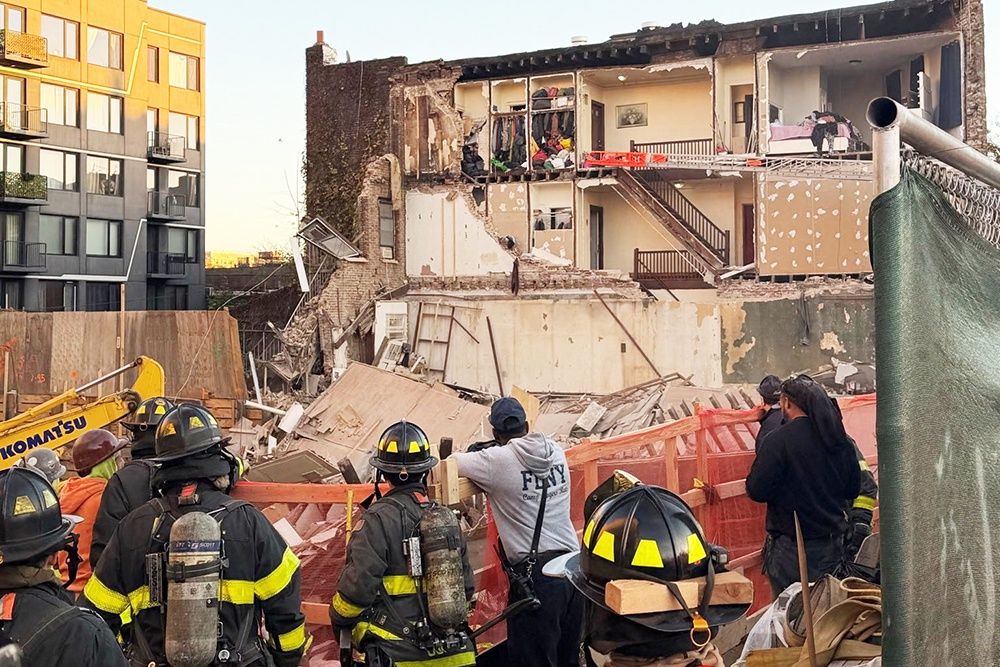
The collapse triggered an immediate and massive response from New York's emergency services. Firefighters, paramedics, and structural engineers descended on the location, assessing the scale of the disaster. The building's sudden fall had created a treacherous landscape of twisted steel, broken concrete, and shattered personal belongings, all mixed together in an unstable heap that made any rescue attempt perilous.
As the dust began to settle, the full human cost of the tragedy became apparent. Two local residents lost their lives in the collapse, their lives tragically cut short by the structural failure. Seventeen others were injured, including one firefighter who had been among the first responders to arrive.
With survivors potentially still trapped beneath the rubble, the rescue operation took on an urgent, methodical pace.
With survivors potentially still trapped beneath the rubble, the rescue operation took on an urgent, methodical pace. K9 units moved carefully across the unstable debris field, searching for any sign of life. Rescue teams worked in shifts, their movements deliberate and precise, knowing that any wrong step could trigger further collapse and endanger both rescuers and any remaining survivors.
"Upon discovering voids, specialists carefully examine them, after which they proceed to 'partial debris removal,'" explained Esposito, one of the officials overseeing the operation. This cautious approach reflected the complex challenges facing rescue teams. Each potential void in the rubble had to be thoroughly assessed before any debris could be removed, ensuring that the rescue operation itself didn't cause further harm or collapse. The process was painstakingly slow, with teams working hour after hour.
Officials, including Mayor Zohran Mamdani and Esposito, stated that specialists are carefully inspecting discovered voids before proceeding with partial debris removal. The mayor's words offered little comfort to those who had lost loved ones or were anxiously waiting news of missing family members.
As the day wore on, the exact number of people still remained trapped beneath the rubble remained unknown, casting a shadow of uncertainty over the rescue operation. The three-story building that had stood for years was now just a pile of debris, a stark reminder of the fragility of urban life and the sudden, devastating power of structural failure. In the Brooklyn neighborhood where families had once lived and worked, only the sounds of heavy machinery and the occasional call of a rescue dog broke the silence, as the city held its breath, hoping against hope that more lives might be saved.