
On the evening of November 27, 2026, a stretch of road in the Krasnoyarsk Region of Siberia became the site of a catastrophic traffic accident. The region, a vast expanse of forest, river valleys, and permafrost, is crisscrossed by highways that link remote towns and serve as lifelines for residents and travelers alike. It was on one of these arteries that a passenger bus, ferrying people across the sprawling landscape, collided with two trucks traveling in the opposite direction.
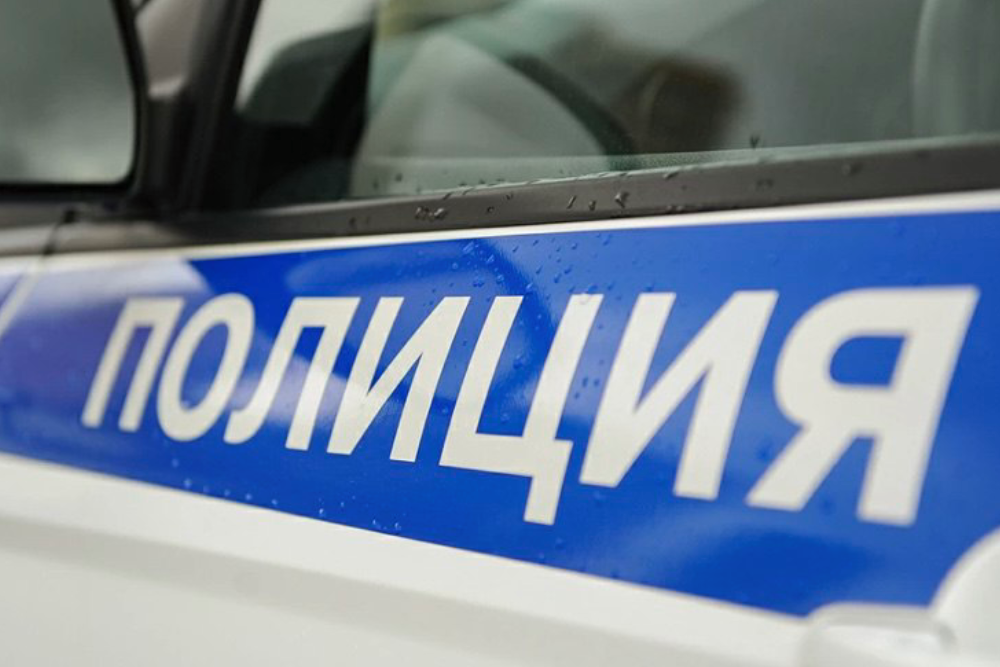
The interior ministry’s press service confirmed that “Police officers are working at the scene of a fatal crash involving a passenger bus and two trucks.” The statement, issued shortly after the incident, underscored the immediate mobilization of law‑enforcement resources in a region where emergency response can be hampered by distance and weather.
In Siberia’s often narrow, winding highways, passing maneuvers can be perilous, especially when visibility is reduced by dusk or inclement conditions. The presence of two large trucks amplifies the force of any collision, turning a routine traffic mishap into a disaster of considerable magnitude.
The crash has prompted a renewed focus on road safety in the Krasnoyarsk Region.
While investigators have not released a reconstruction, the involvement of multiple vehicles typically triggers a series of procedural steps: securing the site, documenting vehicle positions, and gathering witness statements. The interior ministry’s ongoing involvement indicates that the authorities are methodically assessing every angle, from driver behavior to possible mechanical failures.
Within minutes of the crash, police officers arrived to cordon off the area, a standard protocol designed to protect both the victims and the integrity of the investigation. Their presence also facilitates coordination with medical teams, who must navigate the remote terrain to reach those in need.
The press service later reported, “At this point, four fatalities have been confirmed, and eight other people have been hospitalized with various injuries.” These figures, while stark, are only a portion of the total impact. In remote regions, the time it takes for ambulances to reach a crash site can be a critical factor, influencing survival rates and the severity of injuries.
Four lives were lost in the instant the bus met the trucks. The identities of the victims have not been released, respecting the privacy of families amid a grieving process that is already complicated by distance and limited local resources. Eight additional passengers sustained injuries ranging from minor bruises to more serious trauma requiring hospitalization.
The interior ministry’s acknowledgment that “The exact number of casualties is still being determined” reflects a sobering reality: in the aftermath of such accidents, the tally of the injured can evolve as victims are examined and conditions change. Hospitals in Krasnoyarsk and surrounding districts are likely receiving the injured, where they will undergo treatment ranging from emergency surgery to rehabilitation.
The crash has prompted a renewed focus on road safety in the Krasnoyarsk Region.
Authorities will conduct a thorough investigation, examining black‑box data, driver logs, and vehicle inspection records. The interior ministry’s ongoing press briefings suggest a commitment to transparency, a crucial element in maintaining public trust after a tragedy.
Beyond the immediate inquiry, the incident may serve as a catalyst for broader safety measures. In regions like Siberia, where harsh weather, long distances, and limited infrastructure converge, improving road signage, enforcing speed limits, and ensuring regular vehicle checks can mitigate the risk of future collisions.
For the families of the four deceased and the eight injured, the crash is a personal catastrophe that reverberates through their communities. In towns scattered across the Siberian expanse, news of such an accident spreads quickly, prompting collective grief and solidarity.
The interior ministry’s prompt communication, while factual, also offers a measure of reassurance that the state is actively responding. As the investigation proceeds and the full scope of the tragedy becomes clearer, the region will likely rally around those affected, embodying the resilience that characterizes life on the edge of the Russian wilderness.
In the weeks to come, the focus will shift from the immediate shock to the long‑term implications: how the victims recover, how the investigation informs policy, and how the roads of Siberia might be made safer for the countless travelers who depend on them.