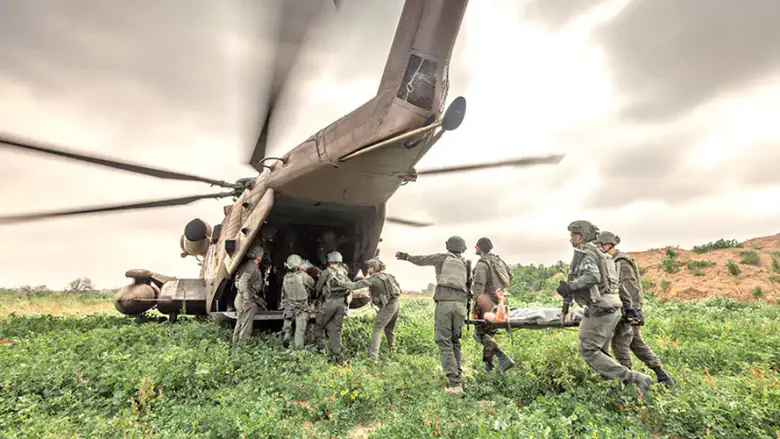
In the last three years, the Israeli Defense Forces have reported that roughly seven in ten soldiers wounded in combat have returned to uniform. The figure, pegged at 70 percent, covers approximately 31,000 wounded individuals currently registered with the Defense Ministry's Rehabilitation Department. The announcement came as the IDF opened its week of appreciation for wounded veterans, a dedicated period aimed at making support services more accessible and honoring those whose bodies or minds have been marked by war.
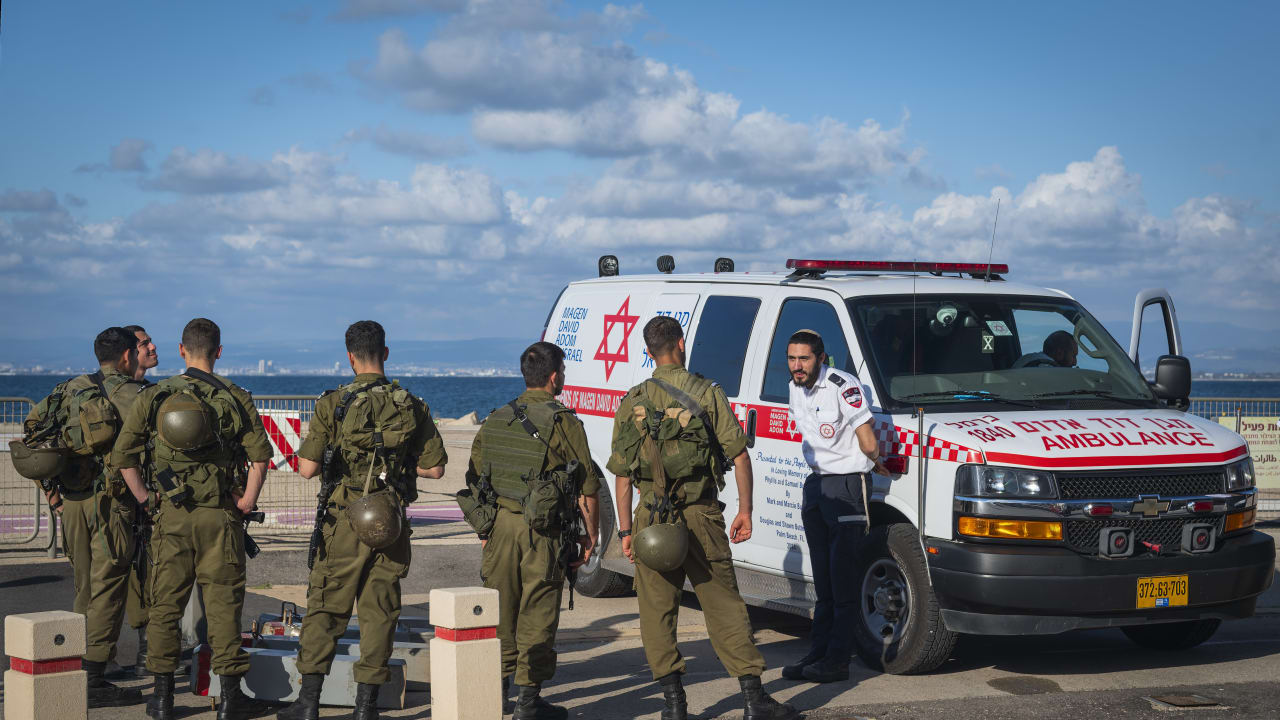
The Yom Siddurim events, totaling twelve since the start of 2026, have been held across the country. Each gathering carries the weight of commemoration, marking a sustained effort to keep the conversation about wounded service members in view.
Behind the headline percentage lies a picture of ongoing support needs. The Rehabilitation Department, which oversees the 31,000 registered wounded, sits at the intersection of physical healing and addressing combat-related challenges. The department works to ensure wounded service members receive appropriate care and assistance as they navigate their recovery and potential return to service.
For the 31,000 registered, the week represents an interval when the machinery of military recognition shifts toward the individual.
The appreciation week represents the IDF's organized effort to acknowledge wounded veterans. The ministry has thrown its weight behind the effort, describing its stance as supportive, and the IDF itself salutes "its physically and mentally wounded service members for their contribution and sacrifice for the security of the state." The week's focus on accessibility means translating those sentiments into concrete pathways--whether that's streamlined medical reviews, counseling slots, or simply a public moment of acknowledgment. For the 31,000 registered, the week represents an interval when the machinery of military recognition shifts toward the individual.
What does it mean, exactly, that seven out of ten wounded soldiers reenlist? For some, it is a return to camaraderie and purpose; for others, it is a calculation of duty versus recovery. The IDF's quote acknowledges that the category of "wounded" spans a spectrum. The path back to service is not uniform, and the military's support infrastructure is being asked to keep pace with a policy that counts on a high return rate.
The Defense Ministry's supportive stance and the IDF's parallel endorsement frame the current moment as one of alignment. Both institutions are pointing toward recovery and recognition, even as the numbers--31,000 registered, 70 percent returned--paint a picture of a system that has adapted to prolonged conflict. The direction is clear: the military is trying to balance operational continuity with the well-being of those it has asked to bear the burden.
As the appreciation week unfolds and the year draws to a close, the IDF and Defense Ministry are operating on a set of figures that have become central to their public posture: 70 percent return, 31,000 registered, a dozen Yom Siddurim events. The coming months will show whether the week's emphasis on accessibility translates into sustained improvement in support services, or whether it remains a periodic gesture within a longer trajectory of wartime recovery. What is certain is that the conversation has moved from abstract casualty counts to a more structured, if still evolving, effort to honor and reintegrate those who have been wounded in Israel's wars.