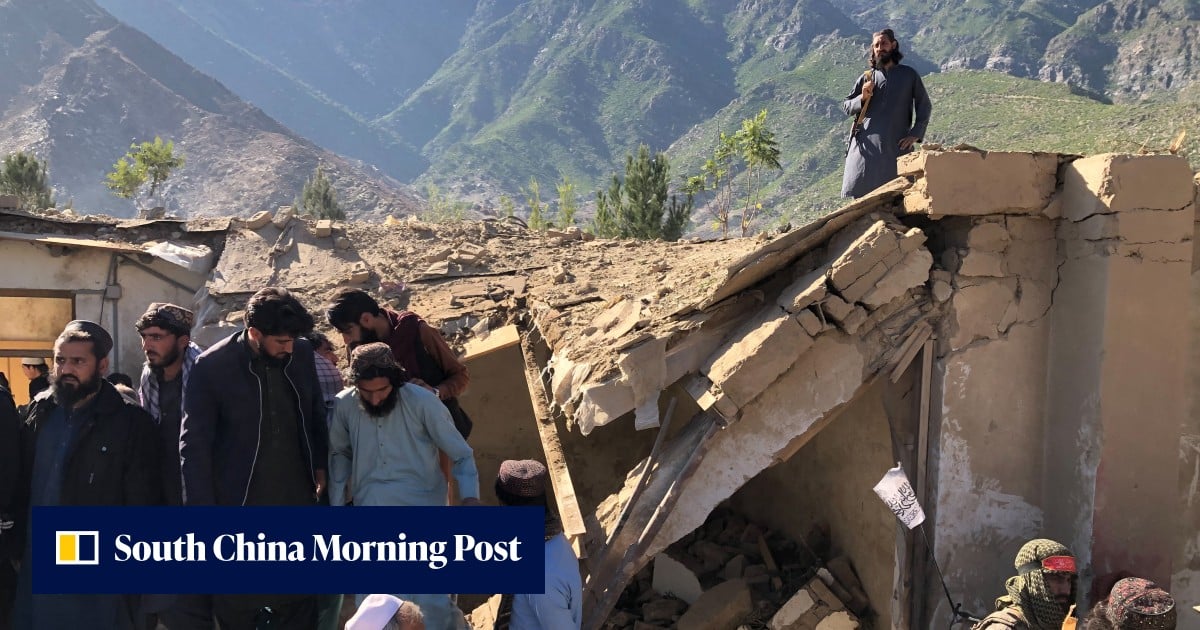
At approximately 10:00 local time on Saturday, November 28, the routine of a school day in the Ander Ser area of Kunar province was violently interrupted. In Asadabad, the capital of the northeastern province, a massive explosion tore through the morning, striking a secondary school and the community surrounding it. The blast did not come from a battlefield, but from a nearby structure that held a much more domestic, yet equally volatile, danger: a warehouse used for storing explosives intended for mining operations.
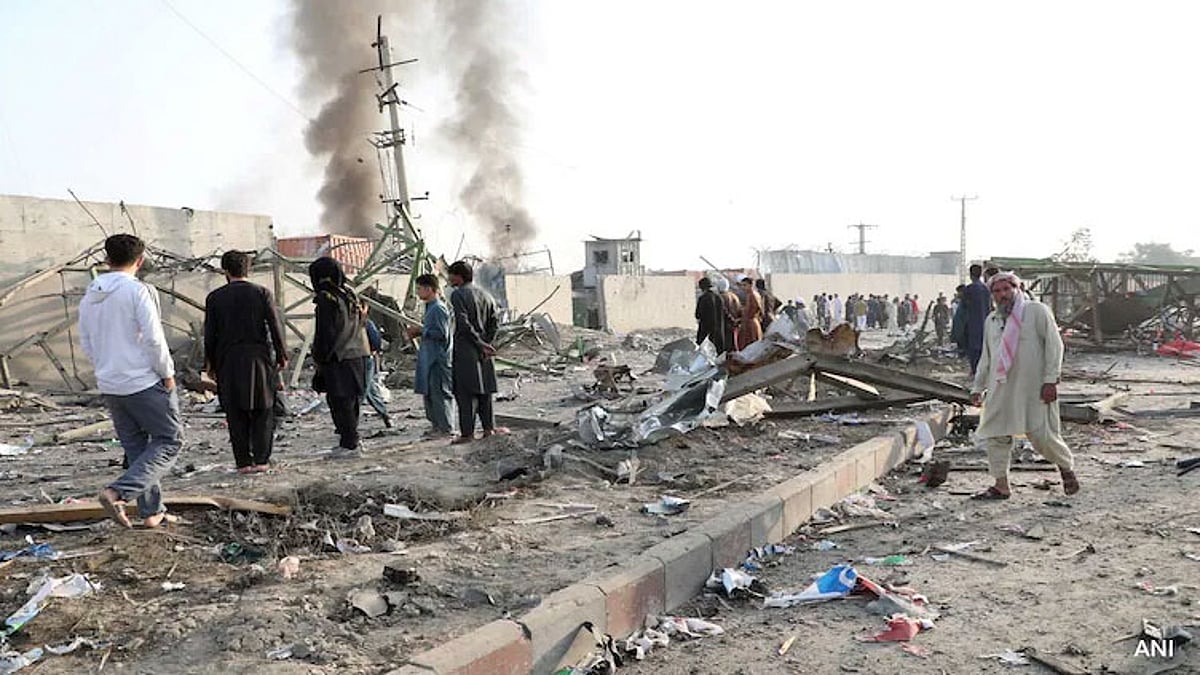
The scale of the devastation was immediate. As the smoke cleared, the toll emerged in a grim tally of lives lost and bodies broken. At least seven students were killed in the blast, and the number of injured surged toward one hundred. Reports from the scene indicated that 97 people were seriously injured, with some accounts suggesting the number of injured pupils could reach as high as 99.
The tragedy was rooted in the physical proximity of industrial materials to civilian life. According to Fried Dehkan, a representative of the Kunar Provincial Police Headquarters, the explosion likely involved dynamite intended for mining activities. Crucially, investigators noted that these explosives were being stored in a house adjacent to the school. This illegal or improper storage meant that a commercial necessity—the tools required to extract minerals from the earth—had become a direct threat to the children sitting in classrooms just a few meters away.
It follows a harrowing week for students across the country, as other explosions have struck religious teaching centers in the Kapisa and Farah provinces.
Abdul Mateen Qani, a spokesman for the Taliban's Ministry of Interior, provided early clarity on the origin of the blast. He stated that preliminary reports indicated the explosion originated at a depot storing explosives belonging to mining companies located right next to the educational institution. The link between the mining industry's logistical needs and the school's safety was no longer theoretical; it was a physical reality that had just claimed lives.
In the hours following the detonation, the local medical infrastructure was pushed to its limit. Rescue teams rushed to the scene to provide immediate aid and transport the wounded to various hospitals. The chaos of the morning transitioned into a desperate struggle for medical stability.
While many of the injured were able to be discharged after receiving initial treatment, the severity of the incident left a significant number of people in critical condition. Authorities confirmed that approximately ten injured individuals remained hospitalized, while others had been discharged, as the investigation continued.
This disaster in Kunar does not exist in a vacuum. It follows a harrowing week for students across the country, as other explosions have struck religious teaching centers in the Kapisa and Farah provinces. In those earlier incidents, five students were killed and two others were injured.

In those cases, authorities attributed the danger to undetonated ammunition left over from previous conflicts—the lingering, invisible ghosts of past wars. However, the Kunar incident presents a different, perhaps more preventable, kind of danger. Here, the threat was not a relic of the past, but a product of contemporary management.
As the dust settles in Asadabad, the focus of the authorities has shifted from rescue to accountability. The central question is no longer just what exploded, but why it was allowed to be stored so close to a place of learning.
Preliminary investigations conducted by the Ministry of Interior have pointed toward human error rather than external attack or old munitions. Abdul Mateen Qani characterized the cause of the accident as "negligence and carelessness" in the management of the explosives depot. The implication is clear: the tragedy was not an unavoidable act of fate, but a consequence of how these mining materials were handled.
While the exact cause remains under official investigation, the connection to the mining company's storage facility remains the primary lead. For the families in Kunar, the investigation is a search for answers in the wake of a morning that turned a place of education into a site of profound loss.