
For those seeking refuge within the walls of the Nasser Hospital complex in Khan Yunis, the facility was meant to be a sanctuary of healing. But on November 13, 2025, that sanctuary was shattered. An Israeli airstrike tore through a building within the complex, leaving a trail of devastation that claimed at least six lives and left more than 20 others injured. In the immediate aftermath, the scene was one of chaos, as the medical facility—already strained by the pressures of conflict—became a site of fresh trauma.
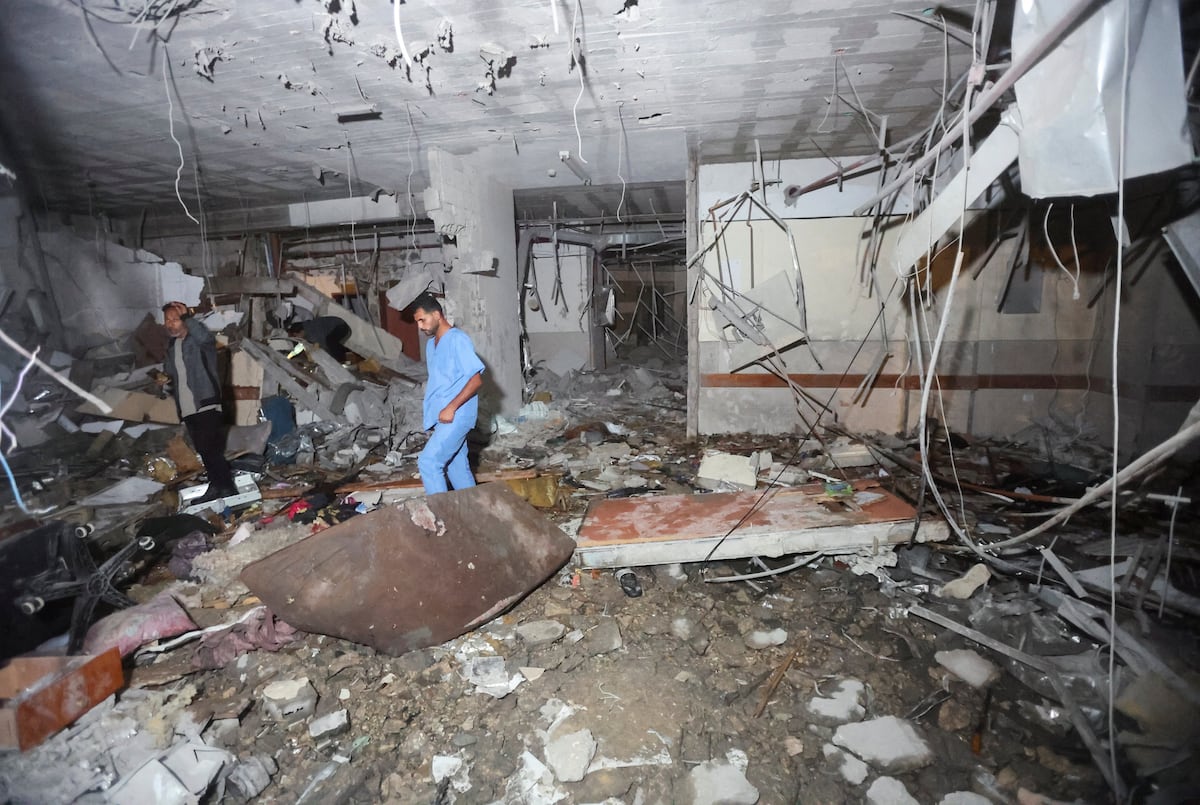
The Israel Defense Forces (IDF) did not deny the strike; instead, they framed it as a calculated military necessity. According to the IDF, the operation was designed to eliminate a senior Hamas military operative. In the eyes of the Israeli military, the strike was not an attack on a medical facility, but a strike against a combatant who had embedded himself within the hospital's infrastructure. This justification rests on a specific and contentious claim: that the Nasser Hospital complex was being utilized as a command center by Hamas.
From the perspective of Hamas, the IDF's justification is an unacceptable excuse for the targeting of a civilian installation. Hamas condemned the attack in the strongest terms, labeling the strike a war crime. For the governing body in Gaza, the death of patients and the destruction of medical infrastructure represent a violation of the basic protections afforded to hospitals under international norms, regardless of the military targets the IDF claims to have pursued.
To understand why a hospital strike occurred in November, one must look back to October 2025, when a ceasefire was established.

An Israeli strike on a hospital in southern Gaza overnight Wednesday killed at least six people, including a doctor and a child, Palestinian officials say. https://t.co/3mtQIn840V
Beyond the immediate violence, the strike highlighted a perceived failure in the international effort to maintain peace. Hamas directed its criticism toward the US-backed peace delegation, arguing that the diplomatic mission had failed in its primary objective: preventing the escalation of violence and protecting civilian sites. The attack on Nasser Hospital served as a visceral reminder that diplomatic frameworks often struggle to hold weight when military objectives take precedence on the ground.
To understand why a hospital strike occurred in November, one must look back to October 2025, when a ceasefire was established. On paper, this agreement was meant to halt the hostilities between Israel and Hamas. In practice, however, the ceasefire has been characterized by persistent and mutual accusations of violations. The strike in Khan Yunis was not an isolated incident but a symptom of a peace agreement that has remained fragile and frequently breached since its inception.

An Israeli airstrike on Gaza’s Nasser Hospital has reportedly to killed at least six people, including a surgeon, and wounded several others. The Israeli military said it was targeting a Hamas commander - and it claimed other members of Hamas’ armed wing were using the hospital. The Hamas-run health ministry said the strike hit the surgery department.
The human cost of this unstable peace is staggering. While the world focused on the diplomatic language of the ceasefire, the Gaza Health Ministry reported a grim reality: over 1,600 Palestinians have died since the ceasefire began in October 2025. These numbers underscore a pattern of continued attrition that persists despite the official cessation of full-scale war.
The strike at Nasser Hospital underscores the difficulty of defining a valid target when medical infrastructure is allegedly being used for military purposes. The competing narratives from the IDF and Hamas highlight a broader impasse where neither side fully recognizes the other's claims, leaving the civilian population in a vulnerable position between warring parties. The ambiguity of the situation complicates any clear understanding of the rules of engagement, as hospitals remain central locations in both the conflict and the ongoing diplomatic efforts.
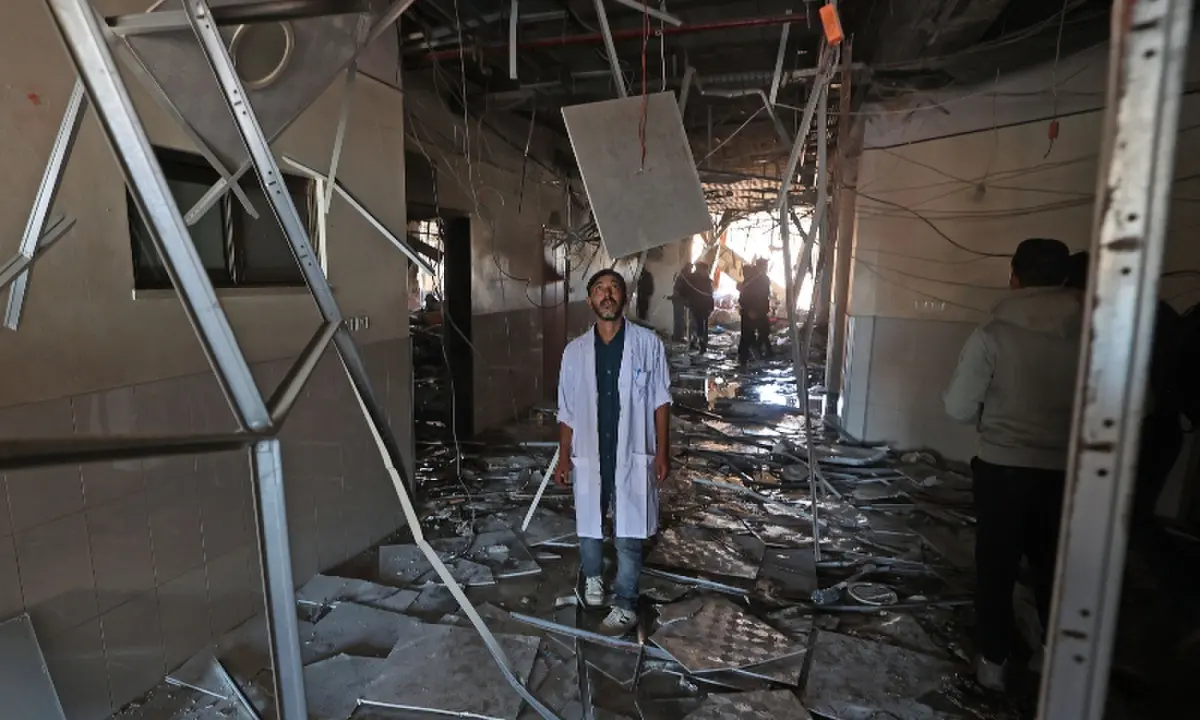

Israel ‘eliminates’ Hamas terrorists operating out of Gaza hospital https://t.co/ApDB1gBd9M
As the dust settles in Khan Yunis, the strike on Nasser Hospital remains a flashpoint in a broader struggle over the rules of engagement in Gaza. The incident leaves the region in a precarious state, where medical complexes are viewed by some as sanctuaries and by others as shields for military command, ensuring that the path toward a lasting peace remains as volatile as the conflict itself.