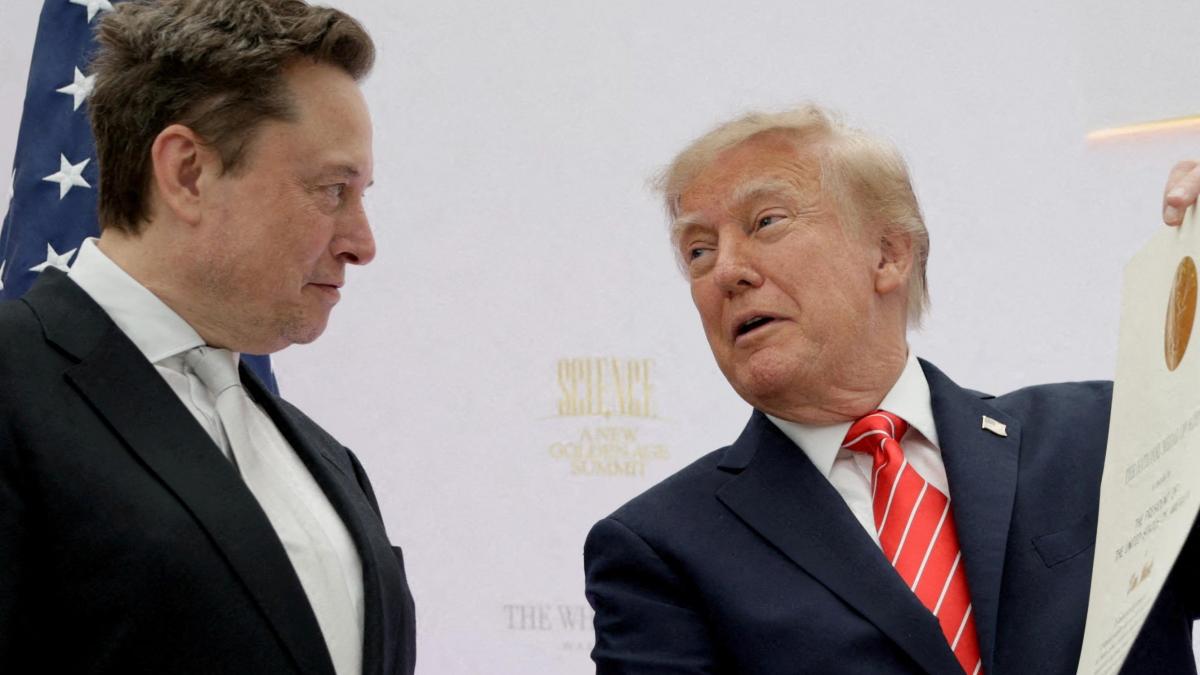
For Elon Musk, the math of political influence has recently failed to balance. After pouring nearly $500 million into the U.S. midterm elections to bolster Republican candidates, the billionaire is facing the sobering reality that capital does not always translate into control. In a candid admission to the New York Times, Musk expressed a profound sense of regret regarding the scale of his investment, a sum that represents one of the most significant individual political gambles in recent history.

Musk did not mince words when describing the aftermath of the election cycle. He admitted to feeling "pretty stupid" for spending such a vast amount of money without achieving the desired electoral outcomes. It was a rare moment of vulnerability for a man accustomed to betting on the future of humanity, revealing a realization that even the deepest pockets can be outmatched by the shifting tides of public sentiment.
The scale of the disappointment is rooted in the stark reality of the election results. Despite Musk's heavy financial backing for Republican candidates, the party suffered a significant defeat. Instead of the legislative dominance the investment was intended to secure, the Democrats emerged victorious, securing majorities in both the House of Representatives and the Senate.
This is not just a tactical shift, but a philosophical one, as he attempts to reposition himself in a more neutral political space.
The political landscape shifted decisively away from the candidates Musk sought to elevate, leaving his massive financial contribution as a footnote to a Republican loss rather than a catalyst for a victory. The gap between the expected influence of $500 million and the actual legislative reality has forced a recalculation of how much power money can truly buy in the American electoral system.
Musk's reflection is not merely about the loss of capital, but about the fundamental misunderstanding of electoral mechanics. He noted that the relationship between spending and winning is far more tenuous than many high-net-worth donors assume. "You can put a huge amount of money into an election and cause a rather minor effect," Musk observed, acknowledging the limits of his own influence.
This realization marks a pivot in his public stance. By suggesting that the impact of his wealth was negligible in the face of the Democratic sweep, Musk is essentially deconstructing the myth of the omnipotent donor. He has moved from being a primary financier of a specific political movement to a skeptic of the efficacy of such massive, singular bets.
As the dust settles on the midterms, Musk is also performing a strategic retreat from the political identity he previously embraced. While his spending was heavily aligned with the Republican platform, he is now actively taking distance from Donald Trump and the MAGA movement. This is not just a tactical shift, but a philosophical one, as he attempts to reposition himself in a more neutral political space.
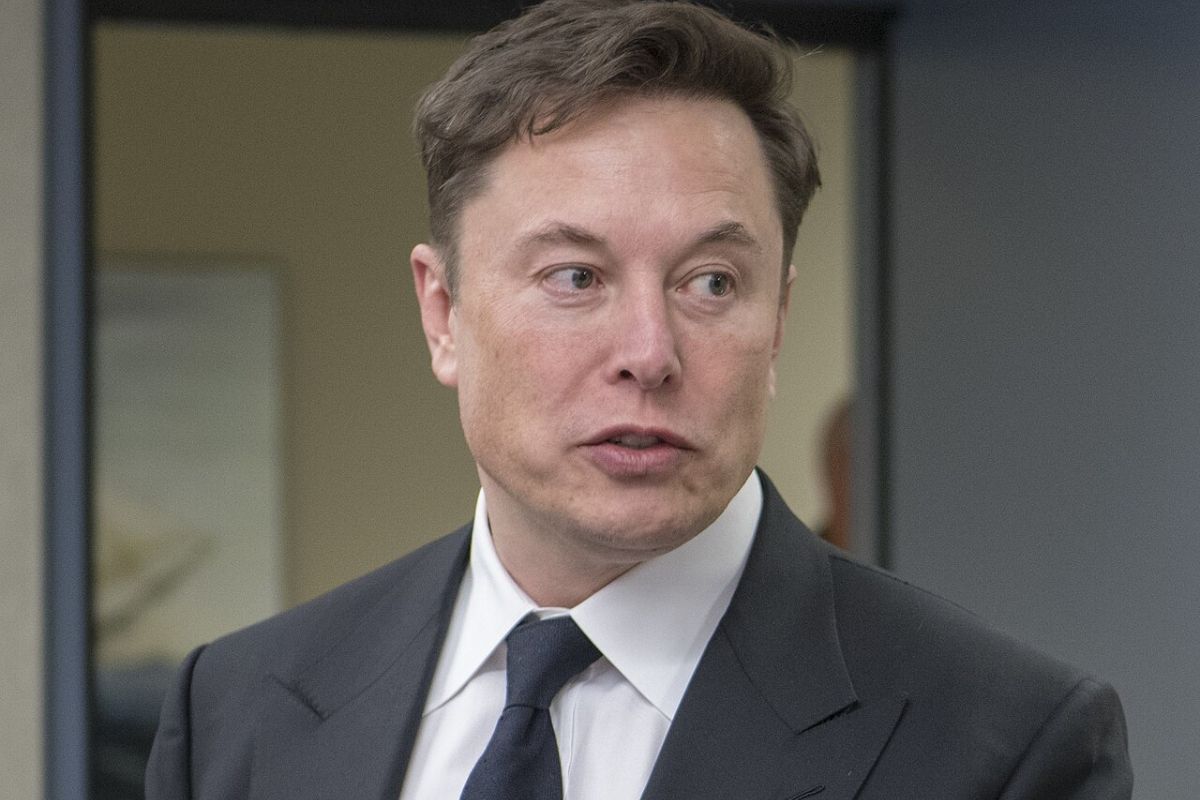
Musk has signaled that his previous alignment was perhaps too narrow, stating that "there is good and bad in both parties." This attempt at political nuance comes at a time when the political climate remains deeply polarized, but it suggests a man looking to insulate himself from the volatility of a single faction. He is no longer campaigning as a partisan soldier, but as a disillusioned investor looking for a more balanced approach.
This political distancing is not happening in a vacuum; it is occurring against a backdrop of heightened scrutiny. With the Democrats now in control of both chambers of Congress, the focus is shifting toward the intersection of Musk's political activities and his vast business empire. Specifically, there are growing calls for investigations into Musk's role in the DOGE program and the potential for favors being granted to his various companies.
SpaceX, one of Musk's most prominent ventures, stands at the center of this tension. The company benefits from significant public contracts, and as the new Democratic majority takes the reins in Washington, the relationship between private aerospace interests and government oversight is likely to face intense examination. The question of whether political donations influence the awarding of massive government contracts is a recurring theme in American politics, and Musk's recent activities have placed him directly in the crosshairs.
As the political cycle moves forward, the memory of this $500 million loss will likely serve as a cautionary tale for Musk. He has explicitly stated that if he could go back in time, he would have spent less money. This admission of regret suggests a fundamental change in how he views political engagement moving forward.
With the 2028 presidential election already on the horizon, the world will be watching to see if Musk adopts a more cautious approach to his political investments. Whether he remains a major player or retreats into a more purely commercial role, the midterm results have proven that in the high-stakes game of American politics, even the world's wealthiest individuals can find themselves on the losing side of a bet.