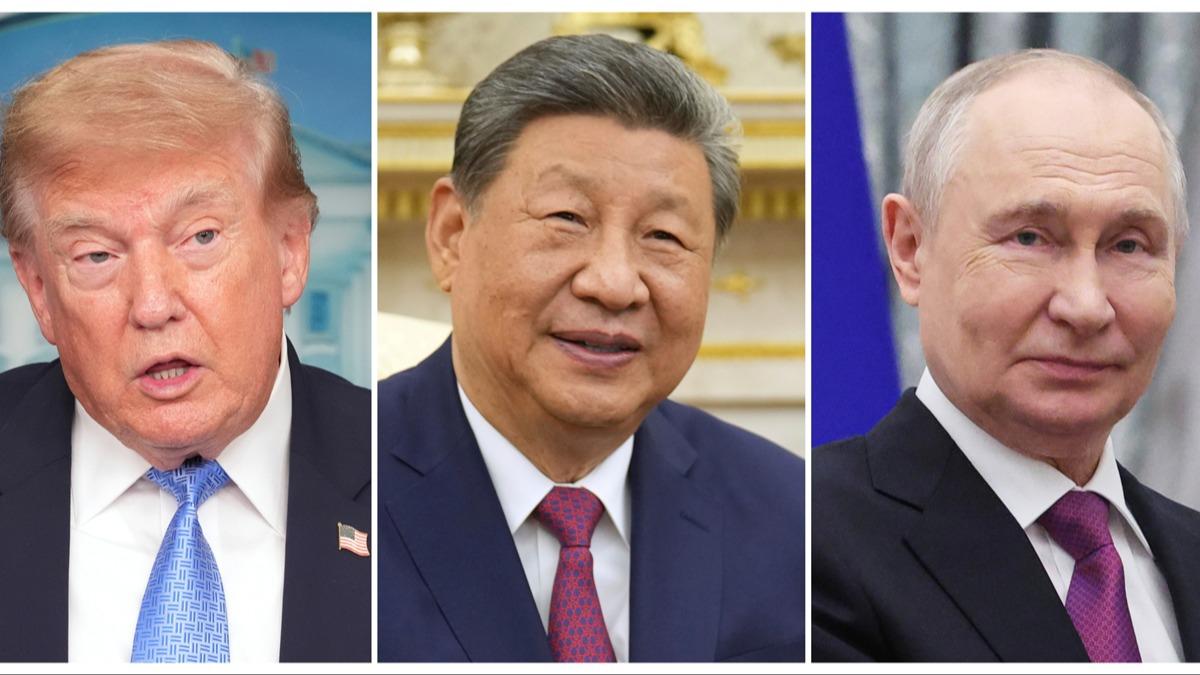
For anyone just catching up on international affairs, the current diplomatic landscape looks like a tightly coiled spring. For years, the world has watched the superpowers maneuver in complex, often opaque dance floors of diplomacy. That dance floor has now shifted to Shenzhen, China, where a rare alignment of three heads of state has been announced. This is not a routine bilateral visit; it is a tripartite convergence that signals a significant moment in the ongoing negotiation of global power dynamics. The news arrived on a Saturday, November 14, through the formal channels of the Kremlin, breaking the silence that had previously surrounded the specific logistics of this high-stakes encounter.
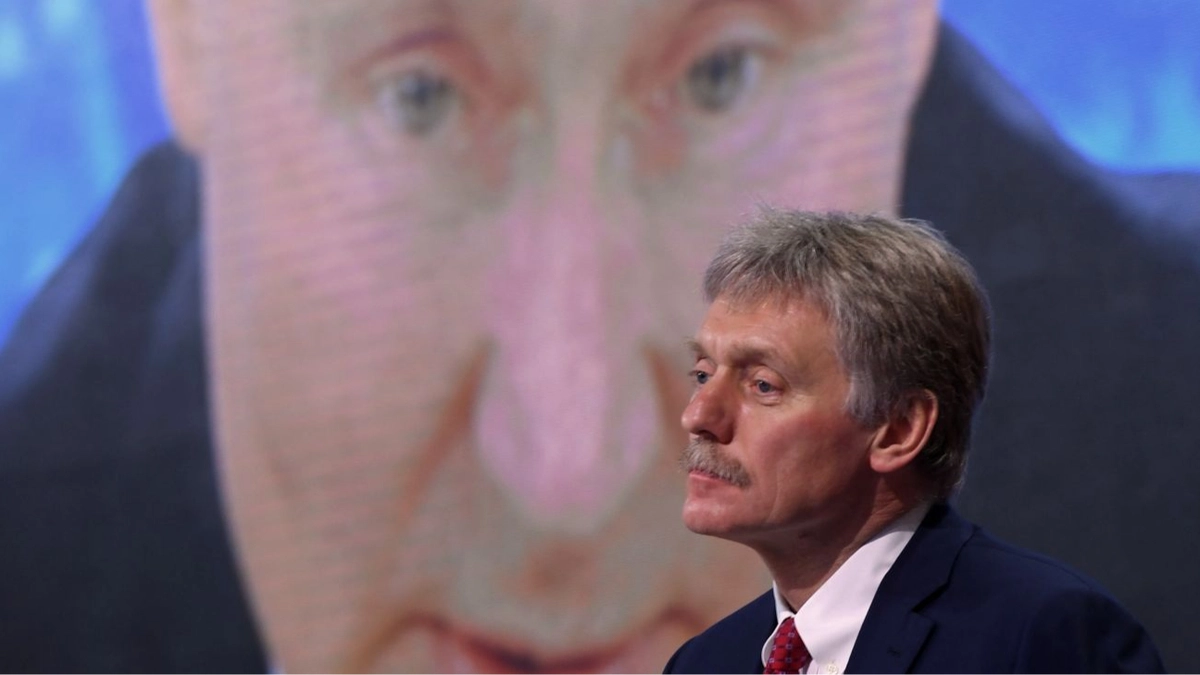
Dmitry Peskov, the spokesperson for the Russian presidential administration, made the announcement to journalists, confirming that a trilateral meeting involving US President Donald Trump, Chinese President Xi Jinping, and Russian President Vladimir Putin is set to take place. The clarity of Peskov’s statement was a departure from the usual ambiguity surrounding such summits. He confirmed that an agreement had been reached regarding the date, locking in November 19 for the gathering. The choice of venue was equally deliberate: Shenzhen, a major economic hub in southern China, will host the leaders on the sidelines of the broader Asian economic conference. By specifying the location and date, the Kremlin removed the final layers of speculation that had been circulating among political analysts. This disclosure serves as the primary anchor for the event, establishing the logistical reality that allows the rest of the diplomatic machinery to fall into place.
To understand why this meeting is happening in Shenzhen, one must look at the host event: the Asia-Pacific Economic Cooperation, or APEC, summit. Scheduled for November 18 through 19, the APEC summit is a major forum for regional economic leaders. It is not primarily a security council, but its presence in China provides the necessary diplomatic cover and logistical infrastructure for a high-level gathering of this magnitude. The APEC framework allows the three leaders to be physically present in the region for work, rather than requiring separate, complex travel arrangements for each head of state. The summit acts as the umbrella under which this specific trilateral dialogue can occur. By scheduling the meeting on the final day of the summit, November 19, organizers maximize the efficiency of the leaders’ time. It allows them to engage in bilateral or multilateral talks without the event overshadowing the economic agenda of the broader conference, while still giving the trilateral meeting the gravitas of a dedicated session.
This focus on nuclear arms reduction is a heavy lift for any diplomatic agenda.
While the trilateral meeting is the headline, the broader itinerary for Russian President Vladimir Putin reveals the scope of his engagement. Peskov also confirmed that Putin will attend the APEC Leaders' Summit in Guangzhou, China. This distinction between Guangzhou, where the main summit proceedings are held, and Shenzhen, where the trilateral meeting is scheduled, highlights the multi-city nature of the diplomatic trip. For Putin, this is not just a stopover; it is a full-scale participation in the leadership forum. The confirmation of his attendance in Guangzhou serves as a public commitment to the APEC process, signaling Russia’s intent to remain engaged with the Asian-Pacific economic architecture despite the geopolitical friction that has characterized recent years. This dual-location setup ensures that the trilateral meeting in Shenzhen is a specific, contained interaction, distinct from the broader, multilateral interactions in Guangzhou.
On the other side of the Atlantic, the White House has provided a complementary view that reinforces the Kremlin’s statements. Olivia Wales, the Deputy Press Secretary, confirmed the date of the meeting and offered insights into the American agenda for this encounter. Her statement clarified that President Trump’s upcoming visit to China will include this trilateral meeting as a key component. For the US side, this is framed within the context of a broader tour that includes a stop in the Philippines. Wales indicated that the China leg of the trip is significant enough to warrant the direct involvement of the President. The confirmation by the White House adds a layer of mutual verification to the announcement. It ensures that both major parties are publicly acknowledging the event, reducing the risk of last-minute scheduling conflicts or miscommunications that have sometimes plagued high-profile summits in the past. The US perspective emphasizes the forward-looking nature of the trip, treating the meeting as a pivotal moment in the President's foreign policy engagements for the week.
Perhaps the most critical element of the briefing, however, is not the logistics, but the subject matter. While the Kremlin initially withheld specific topics for discussion, the White House provided a crucial detail that shifts the tone of the meeting from a generic diplomatic courtesy to a strategic negotiation. Olivia Wales stated that President Trump intends to discuss the reduction of nuclear arms during the encounter. This focus on nuclear arms reduction is a heavy lift for any diplomatic agenda. It moves the conversation away from trade or regional security into the realm of existential global safety. Bringing the leaders of the three major nuclear powers together to talk about reducing their arsenals is a step that has not been taken in many years. It suggests that, whatever the political tensions between Washington and Moscow may be, there is a recognized imperative to manage the nuclear dimension of the relationship. This specific agenda item changes how observers should interpret the meeting: it is not just a photo-op, but a potentially substantive discussion on the future of global security architecture.
Why a trilateral format instead of bilateral pairs? A trilateral meeting involving the US, China, and Russia is exceptionally rare. Usually, these interactions happen in pairs, with the third power observing or being excluded. Bringing all three together in one room forces a dynamic where each leader must navigate the interests of the other two simultaneously. It creates a three-way geometry of influence. For a newcomer to the news, the significance is in the exclusivity. This is not a routine G20-style multilateral event where dozens of leaders are present. This is a focused gathering of the top three powers that have defined global politics for decades. The fact that such a meeting is happening on the sidelines of an economic forum suggests that the leaders are willing to use economic diplomacy as a bridgehead for security negotiations. It signals a level of pragmatism that cuts across the usual ideological lines.


The Trump Administration via Kremlin spokesman Jared Kushner is proposing NATO accept this(Without being consulted). In return Russia "accepts" the portions of the Donbas they have not been able to conquer.
As the leaders prepare for travel, the timing is noted as "next week" from the perspective of the announcements. This tight turnaround means that the diplomatic preparations have been moving quickly. The confirmation by both Peskov and Wales on the same day, November 14, indicates that the logistics were settled well in advance, allowing for the synchronized public release. The movement of a US President to China, specifically to meet with the leaders of China and Russia, is a major geopolitical event. It carries the weight of decades of history and the immediate reality of current conflicts. The focus on nuclear arms, combined with the presence of three heads of state, suggests that the world is looking for a way to manage its most dangerous capabilities through direct dialogue. The stage is set in Shenzhen for what could be a defining conversation of the year.
With the date fixed for November 19 and the agenda partially revealed, the anticipation for this meeting is high. The Kremlin and the White House have both aligned on the logistics, removing uncertainty from the equation. Now, the focus turns to the substance of the talks in Shenzhen. Will the discussion on nuclear arms reduction lead to concrete proposals, or will it remain a symbolic gesture? The participation of Vladimir Putin in the APEC summit in Guangzhou ensures that his presence is broad and public, but the trilateral meeting in Shenzhen is where the eyes of the world will truly be fixed. For now, the announcement serves as a marker: the major powers have agreed to sit down together. What happens when they do will determine the next chapter in the ongoing story of global leadership. The world waits for November 19.