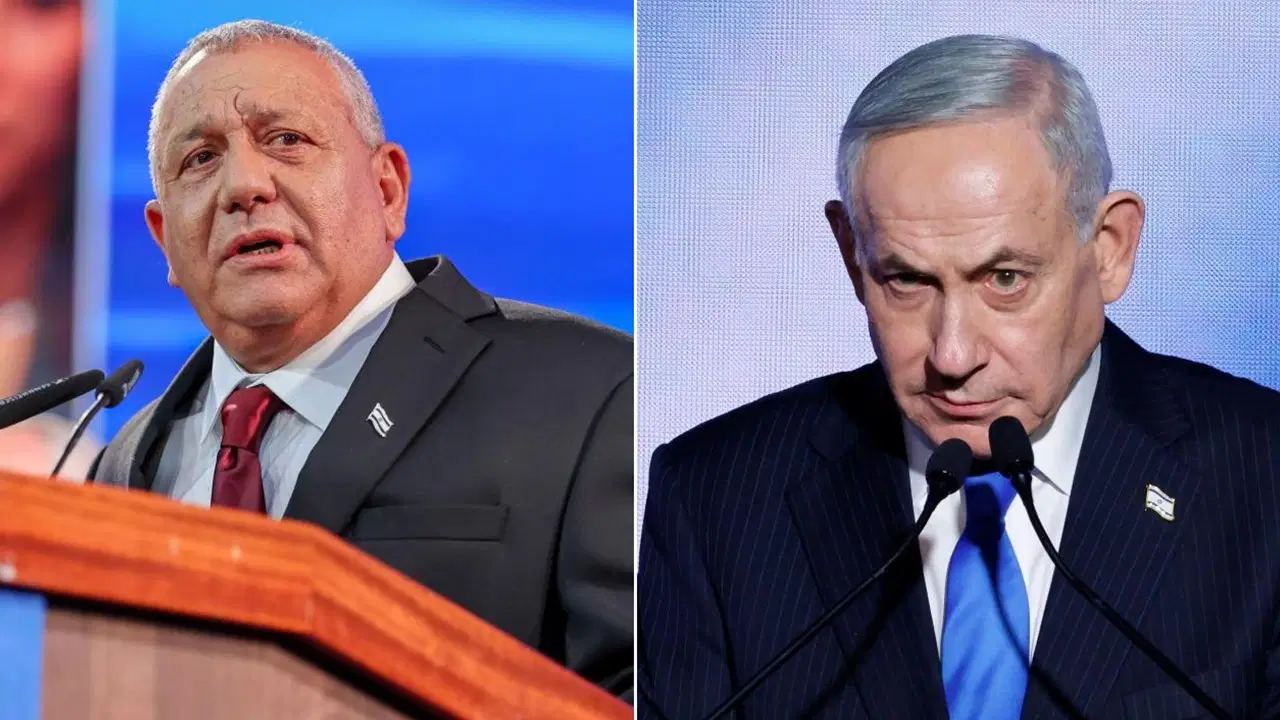
In the tense corridors of Israeli politics, where alliances are fragile and power shifts with every negotiation, a stark warning has been issued. On November 15, 2026, as unity government talks continued to unfold, Gadi Eisenkot, leader of the Yesh Atid party, stepped forward to deliver a message that cut through the political noise: Benjamin Netanyahu's leadership represents an immediate and tangible threat to Israeli democracy.
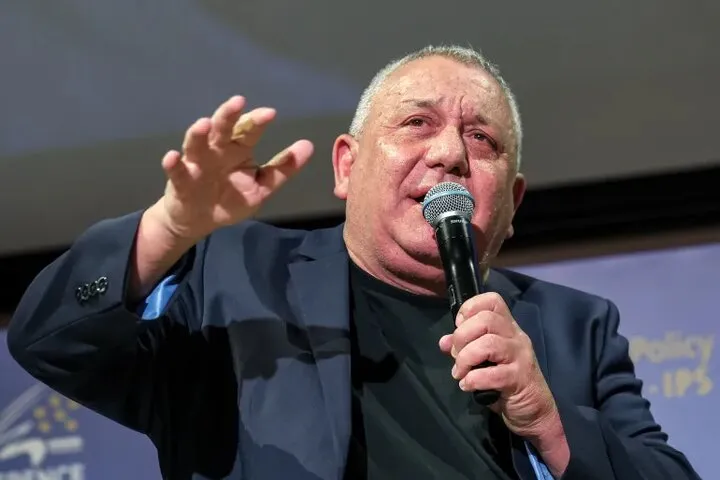
Eisenkot's words were not measured or diplomatic. They were a direct rebuke of the sitting Prime Minister, delivered with the gravity of a nation at a tipping point. "The behavior of Netanyahu and his circle of associates is a tangible, direct, and immediate threat to Israeli democracy," Eisenkot declared, his voice carrying the weight of conviction. Under his assessment, there could be no ambiguity: Netanyahu should not remain in power for "even one more minute."
Beyond the immediate condemnation of Netanyahu's character and conduct, Eisenkot articulated a deeper political paradox facing Israel. The nation, he argued, cannot be dragged into another round of elections so long as Netanyahu remains in office. This position rests on a fundamental belief that fair elections cannot be conducted under his leadership—a sentiment that strikes at the heart of democratic processes.
They underscore the critical nature of the ongoing talks, where Eisenkot insists that Netanyahu must not remain in power to ensure the integrity of the process.
The timing of Eisenkot's intervention is significant. As unity government negotiations continue, his words serve as both a warning and a political statement. They underscore the critical nature of the ongoing talks, where Eisenkot insists that Netanyahu must not remain in power to ensure the integrity of the process. The question of leadership has become inseparable from questions of democratic integrity.
Eisenkot's position rejects the notion of political normalcy. He refuses to accept the continuation of Netanyahu's leadership as a given, instead framing it as an active danger that must be addressed. This perspective suggests that the standard calculations of political compromise may not apply when fundamental democratic values are perceived to be at risk.
As Israel navigates these turbulent political waters, Eisenkot's words hang in the air—a reminder that the health of its democracy is not guaranteed but must be actively protected. The ongoing negotiations will determine whether his warning is heeded or whether the political status quo prevails, with consequences that extend far beyond the immediate political landscape.