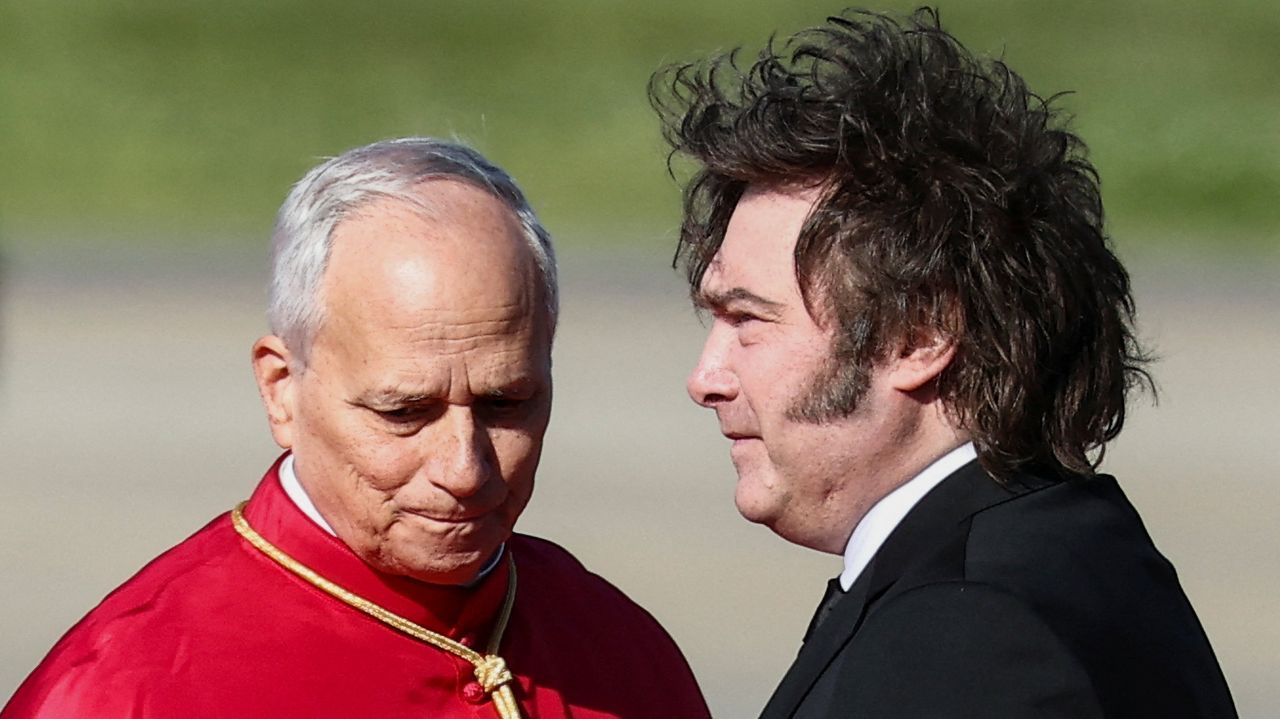
On Sunday, the heavy air of Buenos Aires carried the weight of history. Pope Leo XIV arrived in Argentina, marking the beginning of a significant South American tour that includes planned stops in Peru. For many in the region, this arrival was the fulfillment of a lingering commitment. It was a promise left pending by his predecessor, the Argentine Jorge Mario Bergoglio, and its realization signals a profound continuity in the spiritual landscape of the continent.
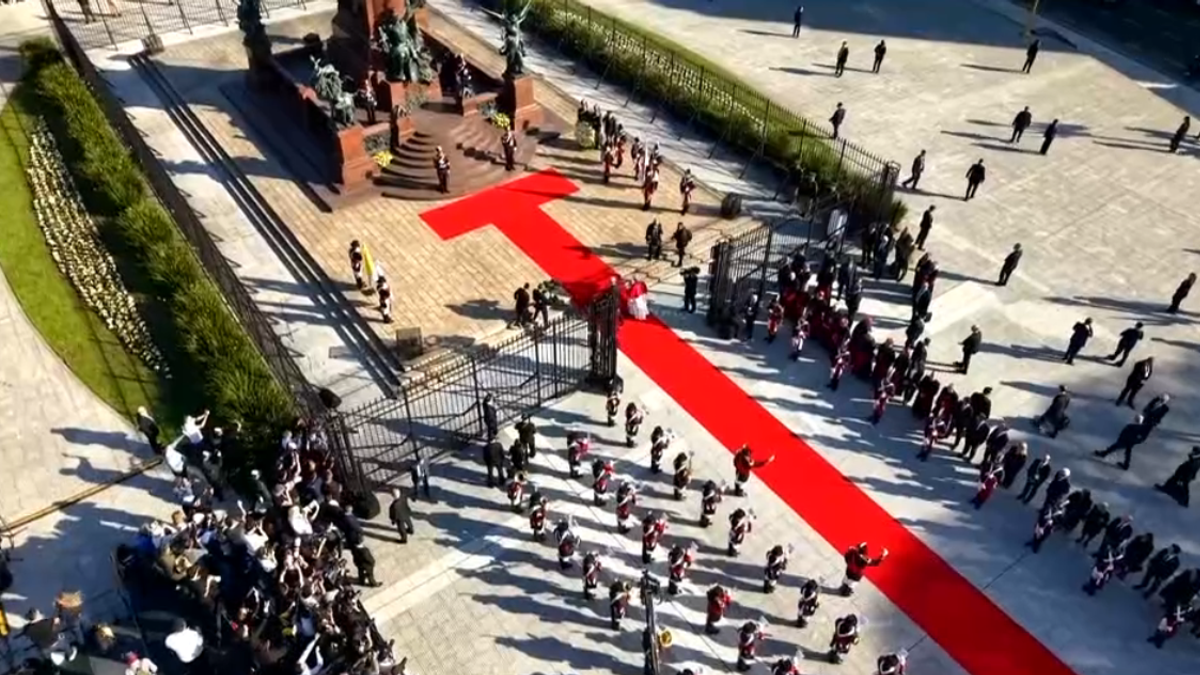
Upon his arrival, the Pope met with President Javier Milei, a meeting that serves as the opening chapter of this second stage of his continental journey. The encounter between the Vatican and the Casa Rosada is layered with complexity. While the President has shown a supportive stance toward the visit, the relationship between the government and the Church has been strained by divergent views on economic policy. There exists a palpable tension between the administration's direction and the critiques leveled by high-ranking ecclesiastical authorities, who have been vocal regarding the country's economic trajectory and the growing vulnerability of its citizens.

Pope Leo is visiting Argentina as part of his 12-day tour across Latin America. https://t.co/TecymVgblE
For the current administration, the papal visit represents more than a religious milestone; it is a strategic moment of redirection. As Argentina grapples with a severe economic crisis, the government is looking to the massive scale of this visit to shift the national focus. By hosting the Pontiff, there is an effort to move the spotlight away from the immediate hardships of the financial situation and toward the broader, more unifying themes of faith and social solidarity. It is a delicate balancing act: managing a global spiritual event while the domestic economy remains in a state of intense pressure.
Despite the grand stages and the massive security apparatus, the heart of Leo XIV’s agenda is pointedly directed toward the margins of society.
The logistics of the visit are staggering, reflecting both the magnitude of the Pope's influence and the deep-seated faith of the Argentine people. In Buenos Aires, the infrastructure of devotion is massive, featuring a stage measuring 22 meters in width and 24 meters in height. To ensure the safety of the millions expected to gather, 19,000 security personnel have been deployed throughout the capital. Estimates suggest that as many as 7 million people may receive the Pope during his time in the country, a number that speaks to the sheer gravity of his presence in the eyes of the public.
Despite the grand stages and the massive security apparatus, the heart of Leo XIV’s agenda is pointedly directed toward the margins of society. This is not a tour designed solely for spectacle, but one centered on the 'social question.' The Pope’s itinerary is built around those often left behind by economic shifts. His schedule includes visits to a prison and a center for people with disabilities, signaling a pastoral priority on the most vulnerable sectors of the population.
One of the most poignant stops on the Sunday itinerary is the Cottolengo Don Orione institution. Here, the Pope will engage with 400 people living with disabilities, a visit that underscores his commitment to those facing physical and social challenges. This focus on the marginalized is a direct response to the concerns raised by Church authorities regarding the vulnerability of many Argentines. In his reflections on the state of the world and the people he meets, the Pope has expressed being "deeply saddened," a sentiment that resonates with the current social climate.
The journey is not confined to the capital's grand plazas. The Pope's path takes him through the somber halls of the Devoto prison, a stark reminder of the complexities of justice and human dignity. From there, the pilgrimage moves toward the spiritual heart of Luján and further into the interior to Córdoba. Each location serves as a different facet of the social mission, moving from the incarcerated to the faithful in the provinces, weaving a tapestry of engagement that spans the breadth of the nation.
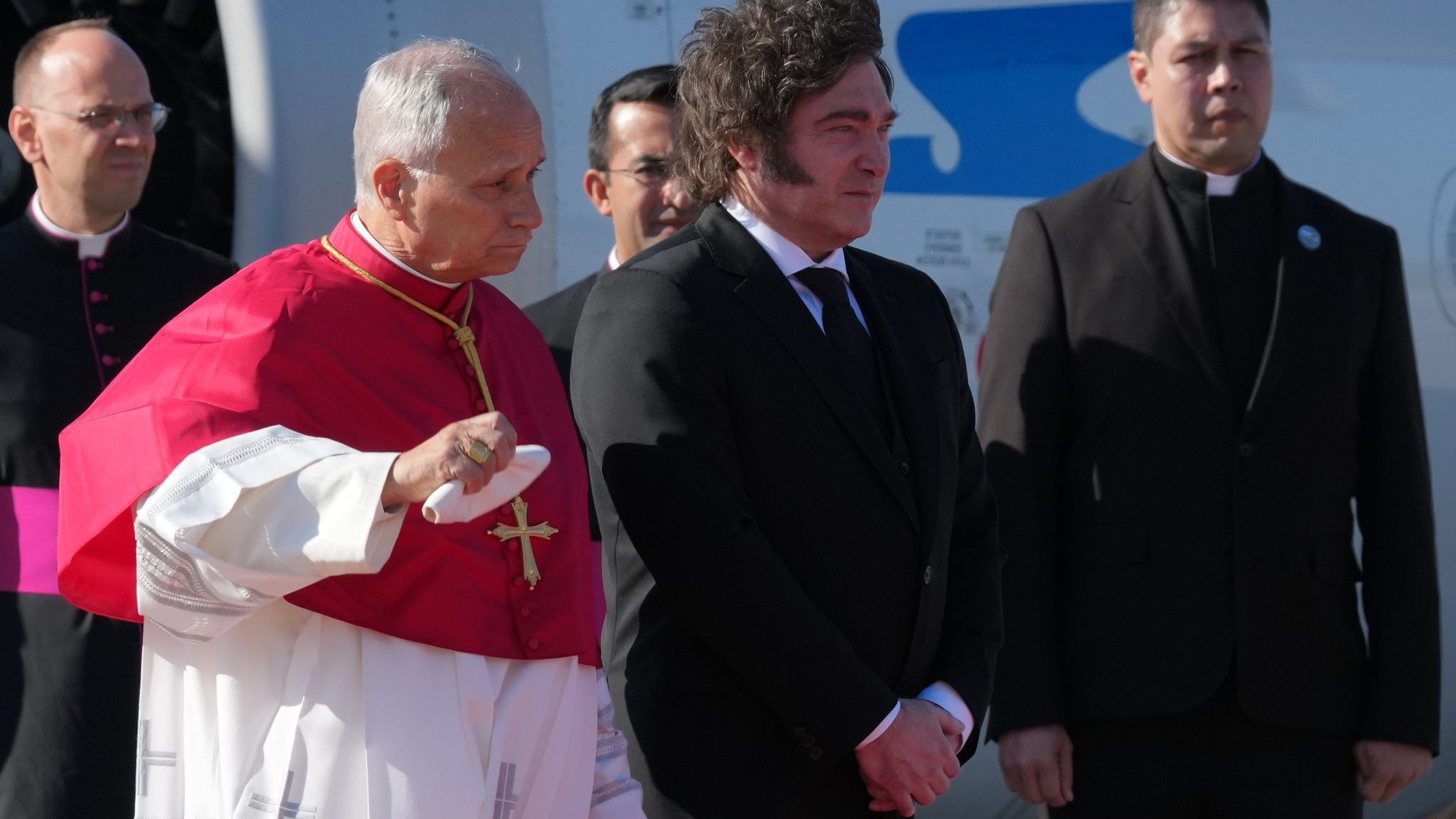
As Pope Leo XIV begins this tour, Argentina stands at a crossroads of spiritual fervor and economic anxiety. The visit has brought the eyes of the world to Buenos Aires. Whether the presence of the Pontiff can truly provide a reprieve from the economic crisis remains to be seen, but for now, the focus remains fixed on a leader who has arrived to address the wounds of the social fabric.