
North Korea and Belarus aims to strengthen their ties


Lukashenko arrives in Pyongyang to ink a landmark friendship treaty, signaling a defiant new alliance between two of the world's most isolated regimes
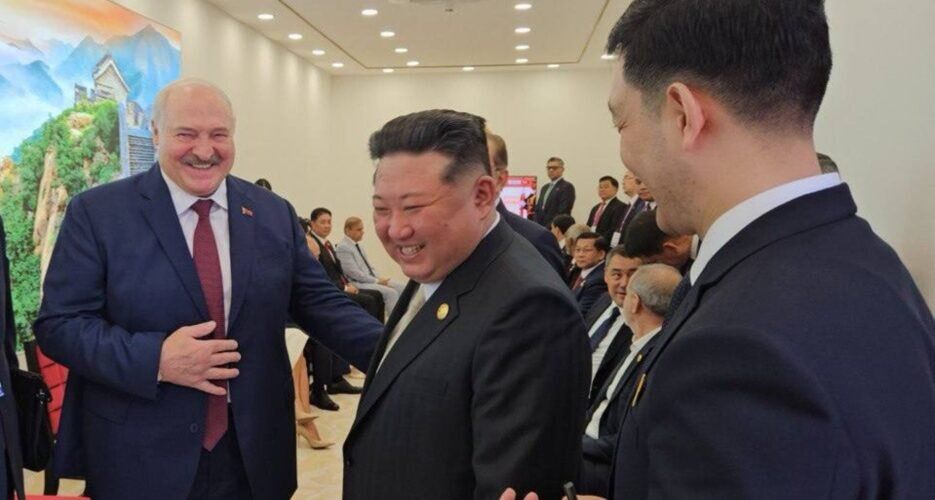
NEW DELHI, March 25 – Belarusian President Alexander Lukashenko has begun his first official visit to North Korea, aiming to strengthen ties between the two countries. The visit, which started on Wednesday, is expected to result in the signing of a treaty of friendship and several agreements between the two nations. Lukashenko's trip to Pyongyang is seen as an effort to deepen relations between Belarus and North Korea, both of which have been accused of authoritarianism and human rights violations.
What Happened
Lukashenko's visit to North Korea is a significant development in the relationship between the two countries. According to the Belarusian state news agency, the two-day visit aims to "identify key areas of mutual interest and the most promising projects for implementation." The Belarusian president has stated that the current situation is pushing the two countries "into each other's arms," indicating a desire to strengthen ties. The visit follows a meeting between Lukashenko and North Korean leader Kim Jong Un in September, where Kim reportedly extended an invitation to Lukashenko to visit Pyongyang.
Key Details
The treaty of friendship and the agreements to be signed during the visit are expected to cover various areas of cooperation, including trade, economy, and security. The exact details of the agreements have not been disclosed, but it is believed that they will aim to promote mutual understanding and cooperation between the two countries. Lukashenko has stated that the time has come to "step up relations" between Belarus and North Korea, indicating a desire to take the relationship to a new level. The North Korean leader, Kim Jong Un, has also expressed his willingness to expand and develop the traditional relations of friendship and cooperation between the two countries.
Background & Context
The visit comes at a time when both Belarus and North Korea are facing international pressure and sanctions. Belarus has been accused of human rights violations and authoritarianism, while North Korea has been sanctioned for its nuclear and missile programs. The two countries have found common ground in their support for Russia's war in Ukraine, and their leaders have been seeking to strengthen ties in recent months. The visit is seen as an effort by Lukashenko to diversify Belarus's foreign relations and reduce its dependence on Russia, while also promoting his country's interests in the region.
Reactions
The visit has been met with skepticism by some observers, who see it as an attempt by Lukashenko to strengthen his position domestically and internationally. Others have expressed concern about the potential implications of the visit, including the possibility of increased cooperation between Belarus and North Korea on military and security issues. The international community has been watching the developments closely, with some countries expressing concern about the potential consequences of the visit. The United States and the European Union have been critical of Belarus and North Korea's human rights records and have imposed sanctions on both countries.
Looking Ahead
The implications of the visit are still unclear, but it is likely to have significant consequences for the region. The strengthening of ties between Belarus and North Korea could lead to increased cooperation on trade, security, and other issues, which could have a impact on the regional balance of power. The visit is also likely to be seen as a challenge to the international community, which has been seeking to isolate North Korea and pressure Belarus to improve its human rights record. As the situation continues to evolve, it is likely that the international community will be watching closely to see how the relationship between Belarus and North Korea develops in the coming months. The future of the region will depend on the ability of the international community to respond to the challenges posed by the strengthening of ties between Belarus and North Korea.