
Weather Alerts Overload Delhi


Delhi-NCR residents face constant weather updates,...
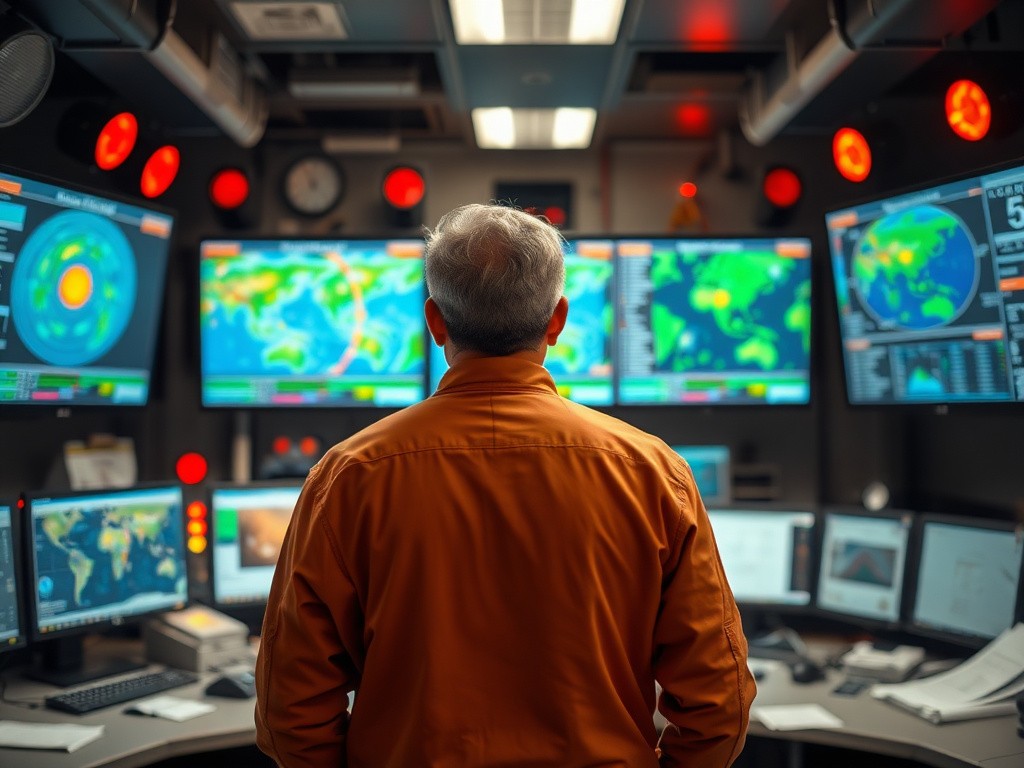
Delhi-NCR residents face constant weather updates, sparking concerns of alert fatigue, as many recent alerts have not been linked to disasters, but rather we...
The constant stream of weather updates in Delhi-NCR has led to a growing concern of alert fatigue, as residents are bombarded with warnings that often do not translate to actual disasters. Many of the recent alerts have been weather advisories, causing confusion among citizens. This has raised questions about the effectiveness of the current warning system and its potential impact on public response to actual emergencies.
Weather Alert System
The weather alert system in Delhi-NCR is designed to inform residents of potential weather-related hazards, such as heavy rainfall, strong winds, or extreme temperatures. However, the frequent issuance of alerts has led to a sense of complacency among residents, who may begin to disregard the warnings or fail to take necessary precautions. As one resident noted, "Many of the recent alerts have not been linked to disasters, they have been weather advisories," highlighting the need for a more nuanced approach to warning systems.
Alert Fatigue Concerns
The concern of alert fatigue is not unique to Delhi-NCR, as many cities around the world struggle with the issue of how to effectively communicate weather-related risks to the public. The key challenge lies in striking a balance between providing timely and accurate information and avoiding the desensitization of residents to the warnings. "They have been weather advisories," a resident said, emphasizing the need for clearer communication about the severity and potential impact of weather events.
Human Impact
The constant stream of weather updates can have a significant impact on the daily lives of residents, causing anxiety and disrupting plans. For example, a resident may receive an alert about heavy rainfall, only to find that the rain is light and does not pose a significant threat. This can lead to frustration and a decreased trust in the warning system. As residents struggle to make sense of the constant stream of information, they may begin to rely on other sources, such as social media or word of mouth, to stay informed about weather-related risks.
Economic Consequences
The economic consequences of alert fatigue should not be underestimated, as a decreased response to warnings can have significant implications for businesses and industries that rely on timely and accurate information. For instance, a false alarm about a severe weather event can lead to unnecessary closures and losses for businesses, while a failure to respond to an actual emergency can result in significant damage and disruption.
Government Response
The government has a critical role to play in addressing the issue of alert fatigue and ensuring that the public is adequately informed about weather-related risks. This may involve reviewing the current warning system and implementing changes to improve the clarity and effectiveness of communications. By working to address the concerns of alert fatigue, the government can help to build trust in the warning system and ensure that residents are better equipped to respond to actual emergencies.
Future Developments
As the issue of alert fatigue continues to evolve, it is likely that new technologies and approaches will be developed to improve the effectiveness of warning systems. For example, the use of artificial intelligence and machine learning may enable more precise and targeted warnings, reducing the risk of desensitization and improving public response to emergencies. As Delhi-NCR residents look to the future, they can expect a more nuanced and effective approach to weather-related warnings, one that balances the need for timely information with the risk of alert fatigue.