
US Strikes Iran in Retaliation


The United States military is launching targeted...
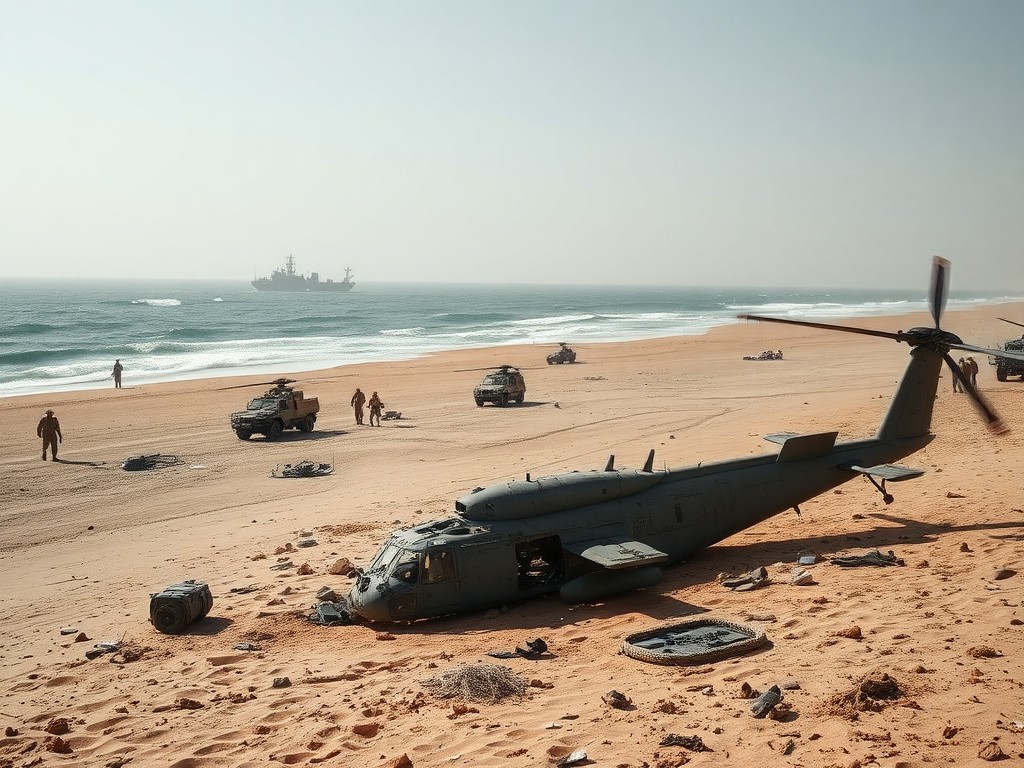
The United States military is launching targeted strikes against Iran in response to the downing of an American Apache helicopter, with President Donald Trum...
The United States has launched a series of strikes against Iran in retaliation for the downing of an American Apache helicopter near the Strait of Hormuz. The exchange came after President Trump said Iranian forces had shot down the helicopter, prompting a strong response from the US military. According to President Trump, "a deal with Tehran could be reached within days," but the latest escalation has raised concerns about the prospects of a peaceful resolution.
US Military Response
The US military has announced fresh "self-defense" attacks on Iran after the downing of the Apache helicopter. The strikes are seen as a proportional response to what the US describes as "unjustified Iranian aggression." As President Trump stated, "the United States 'must' respond" to the downing of the helicopter, which has been blamed on Iranian forces. The US military has not disclosed the extent of the damage caused by the strikes, but officials say they are aimed at Iranian military targets.
Iranian Reaction
Iran has vowed to respond to the US strikes, with officials in Tehran accusing the US of escalating tensions in the region. The Iranian government has not confirmed the downing of the Apache helicopter, but it has warned the US against taking any further action. As one official stated, "we will halt our strikes" if the US agrees to a ceasefire, but it remains to be seen whether this will lead to a lasting peace. The situation remains volatile, with both sides trading accusations and threats.
Regional Implications
The escalation of tensions between the US and Iran has raised concerns about the stability of the region. The Strait of Hormuz, where the Apache helicopter was downed, is a critical waterway for international trade, and any disruption to shipping lanes could have far-reaching consequences. The US has urged its allies to remain vigilant and to take steps to protect their interests in the region. As President Trump said, "I call the shots," but it remains to be seen whether his approach will lead to a peaceful resolution or further escalation.
Human Cost
The conflict between the US and Iran has already resulted in significant human suffering, with reports of civilian casualties and displacement. The Lebanese Health Ministry has reported that the toll from Israeli attacks on the country since March 2 has reached 3,666 dead, highlighting the devastating impact of the conflict on innocent lives. The international community has called for a ceasefire and a return to diplomatic efforts to resolve the conflict peacefully.
Next Steps
The situation remains fluid, with both sides poised for further action. The US has warned Iran against taking any further aggressive action, while Iran has vowed to respond to any further US strikes. As the situation continues to unfold, the international community will be watching closely to see whether the conflict can be brought under control. The US has said it is committed to finding a peaceful solution, but it remains to be seen whether this will be possible in the current climate of tension and mistrust.
Ongoing Tensions
The US and Iran remain locked in a cycle of escalation, with neither side showing any signs of backing down. The downing of the Apache helicopter has raised the stakes, and the US response has further heightened tensions. As the situation continues to evolve, it remains to be seen whether the two sides can find a way to de-escalate and return to diplomatic efforts to resolve their differences. The world is watching with bated breath, hoping that a peaceful resolution can be found before it's too late.