
UK Cracks Down on Teen Social Media Use


Prime Minister Keir Starmer's ban on under-16s using social media will significantly reduce screen time and exposure to harmful content for millions of young.
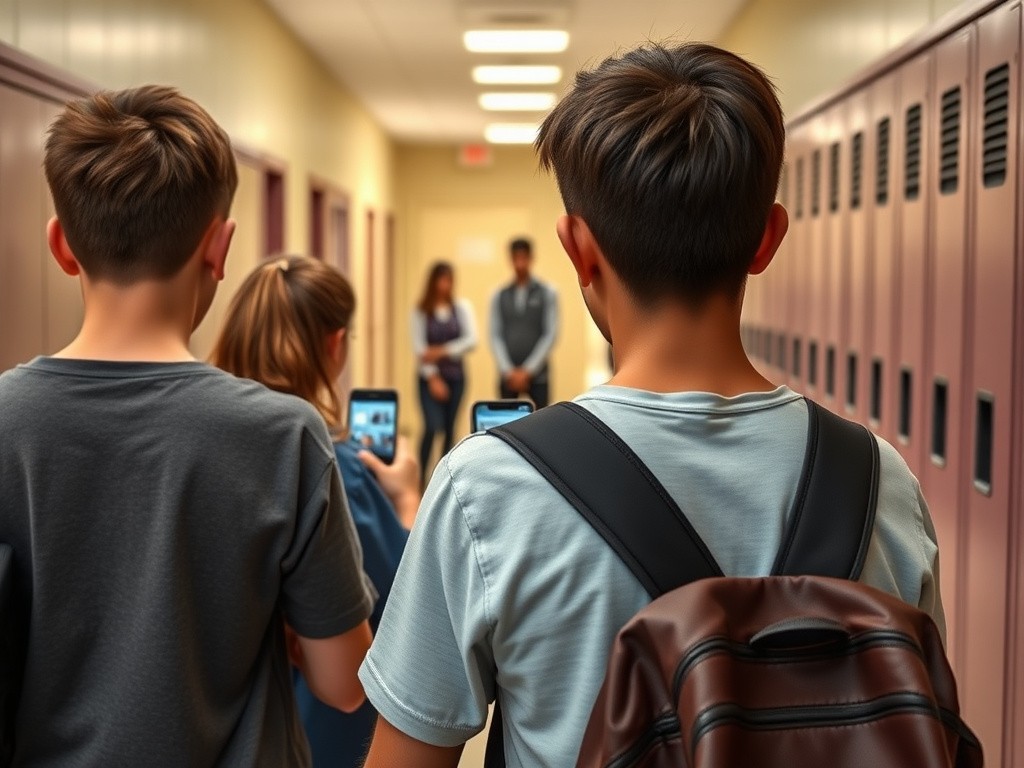
The UK is banning under-16s from social media apps, including TikTok and YouTube. This move directly impacts millions of young users, forcing them to abandon their accounts or risk violating the new rules. The ban targets popular platforms, raising questions about the future of online interactions for teenagers.
Government Reaction
Prime Minister Keir Starmer announces that "the government will ban access to social media for all children under the age of 16". This move follows similar policies implemented in Australia and other countries. The ban will apply to a range of social media apps, including Snapchat, TikTok, and YouTube, in an effort to protect young people from harmful content and excessive screen time. Starmer emphasizes his commitment to the safety of children, stating he is "not prepared to compromise on the safety and happiness of our children". The Prime Minister acknowledges potential resistance from technology companies and the likelihood of some teens attempting to circumvent the ban, but he remains resolute in his decision to prioritize the well-being of children. The ban is set to be implemented, with Starmer prepared to take action against any opposition from tech companies.
Event Details
The UK is taking a drastic step to protect its young citizens from the potential harms of social media. Authorities are set to ban under 16s from social media apps, including popular platforms like TikTok and YouTube. This move marks a significant turning point in the ongoing debate about the impact of social media on children's wellbeing. The decision is expected to have far-reaching consequences, shaping the online experiences of a generation. As the ban comes into effect, it will be interesting to see how these platforms adapt to the new rules. The UK's bold move draws attention to the responsibility of social media companies to ensure their platforms are safe for young users. With this ban, the UK is sending a strong message about its commitment to protecting children online.
Response Analysis
Prime Minister Keir Starmer announces a plan to bar children under 16 from social media, citing the need to protect young people from harmful content and excessive screen time. He claims the government will take a hardline stance, with Keir Starmer saying "the government will ban access to social media for all children under the age of 16". This move is supposedly inspired by policies in Australia and elsewhere. However, the effectiveness of such a ban is questionable, as Starmer himself acknowledges that some teens will try to find their way around it. Despite this, he insists he is "not prepared to compromise on the safety and happiness of our children". The plan targets popular social media apps like Snapchat, TikTok, and YouTube, but it remains to be seen how the government intends to enforce this ban, particularly given the ease with which teenagers can circumvent online restrictions. Starmer's tough talk on resisting technology companies that may resist the move is also unclear, prompting concerns about the practicality of the proposed ban.
Looking Ahead
Britain will ban under-16s from social media apps, including TikTok and YouTube. This move is part of a broader effort to regulate online platforms. The ban will apply to platforms including Snapchat, TikTok, YouTube, Instagram, Facebook and X.
Analytically, this decision can be seen as a response to growing concerns about online safety for children, and its consequences will likely be far-reaching. The move makes the U.K. part of a growing global movement to tighten online safety for children. By taking this step, the U.K. is acknowledging the potential risks associated with social media use among minors.
This decision is likely to have significant implications for social media companies, which will need to adapt to the new regulations. Analytically, the ban may also lead to a shift in the way children interact with online platforms, potentially reducing their exposure to harmful content. Overall, the U.K.'s decision to ban under-16s from social media apps reflects a growing recognition of the need to protect children in the digital age.
Government Next Steps
Britain is set to ban children under 16 from using social media apps, including TikTok, YouTube, and Snapchat, as part of a plan to protect young people from harmful content and excessive screen time. Keir Starmer said that "the government will ban access to social media for all children under the age of 16", following policies already in place in Australia and other countries. This move is a significant step forward in regulating social media use among minors, and it will be closely watched by other governments. Prime Minister Starmer has made it clear that he will not back down in the face of potential resistance from technology companies, stating that he is "not prepared to compromise on the safety and happiness of our children". The ban will apply to a range of social media apps, and while some teens may try to find ways to circumvent it, the government is pushing ahead with the plan. The UK's decision to ban social media for teens under 16 is a major development in the ongoing debate about the impact of social media on young people's lives.
Implications Unfold
Prime Minister Keir Starmer announces that the government will ban access to social media for all children under the age of 16. This move is part of a broader effort to protect young people from harmful content and excessive screen time. The ban will apply to a range of social media apps, including Snapchat, TikTok, and YouTube. Starmer emphasizes that he is "not prepared to compromise on the safety and happiness of our children", indicating a firm commitment to this policy. The UK is following in the footsteps of countries like Australia, which have already implemented similar policies. While some technology companies may resist the move, Starmer is prepared to fight back. He also acknowledges that some teens will try to find ways to circumvent the ban, but this does not deter him from pushing forward with the plan. By stating that "the government will ban access to social media for all children under the age of 16", Starmer leaves no doubt about the government's intention to take a strong stance on this issue. The ban is set to affect popular social media apps, with Britain planning to bar under-16s from using them, including TikTok and YouTube.
Future Implications
Britain will ban children under 16 from social media. Prime Minister Keir Starmer announces the move. He says "the government will ban access to social media for all children under the age of 16". This includes TikTok, YouTube, and Snapchat. The ban aims to protect young people from harmful content and excessive screen time. Starmer is firm on this decision. He says he is "not prepared to compromise on the safety and happiness of our children". The UK follows policies in Australia and elsewhere. Technology companies may resist, but Starmer will fight back. Some teens will try to bypass the ban, but the government is taking action now. The ban will affect popular social media apps. Starmer made the announcement on Monday. He acknowledges potential challenges, but prioritizes children's safety. The decision is immediate, with no room for compromise. Starmer's government is taking a strong stance. The ban will be enforced, despite potential pushback. Children's safety is the top priority. The UK government is acting swiftly to protect its young citizens.

Sudipta Jana
An eclectic writer and fearless advocate, she lends her voice to animal rights and stands unwaveringly against sexual harassment.


