
Trump Urges Calm Amid Escalating Israel-Hezbollah Conflict


Israel's strike on Beirut suburbs prompts Iran to...
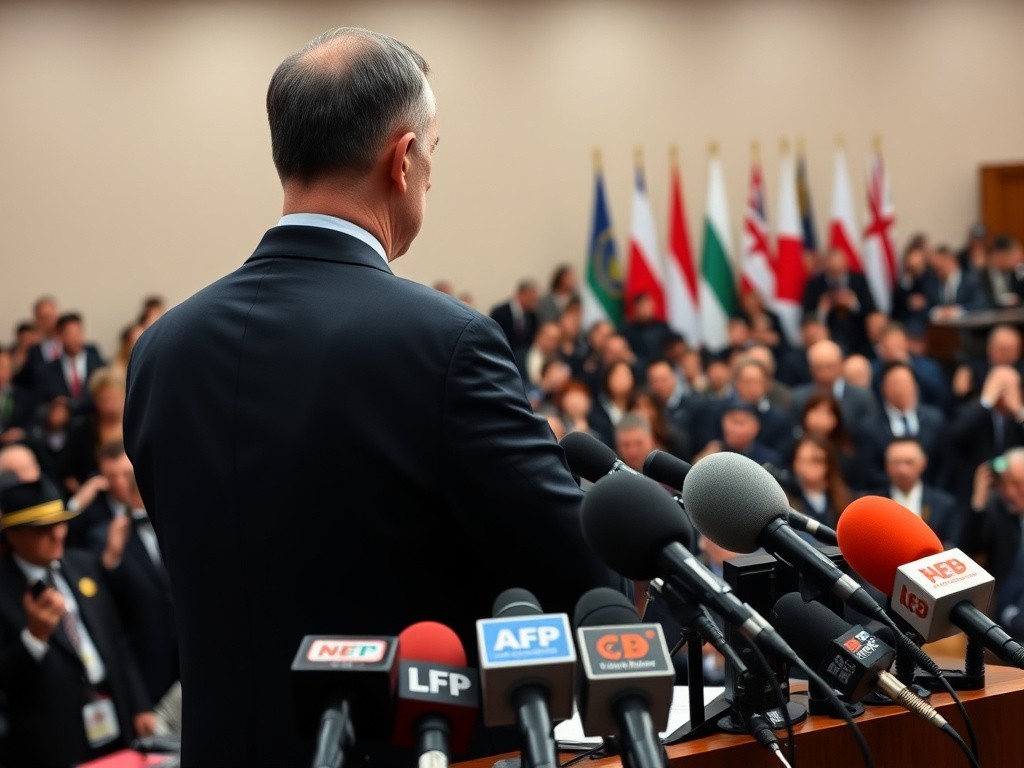
Israel's strike on Beirut suburbs prompts Iran to question the point of US talks, as Trump calls for restraint to salvage negotiations and prevent further vi...
Israel's strike on Beirut suburbs is derailing a potential US-Iran deal to end the fighting, as Tehran warns of the consequences. Trump tells Israel and Hizbollah to "stand down" in a bid to salvage the negotiations. He pushes for restraint, slamming the Israeli attack on Lebanon, as Iran sees "no point" in US talks amidst the escalating violence.
Conflict Erupts
Israel targeted the Iran-backed Hezbollah, prompting Tehran to warn that this action could derail a potential US-Iran deal to end the fighting. The US is pushing for a deal, with Trump telling Israel and Hezbollah to "stand down". Trump's call for calm comes as he seeks to advance negotiations with Iran. Tehran, however, is skeptical, saying it sees "no point" in US talks following Israel's attack on Lebanon. The situation remains volatile, with the US attempting to broker a peace agreement while Israel and Hezbollah engage in conflict. Trump's administration is working to prevent further escalation, but the prospects for a deal remain uncertain.
Military Involvement
The recent Israeli strikes on Beirut have sparked widespread condemnation, with US President Donald Trump stating that the incident "should not have happened" as he attempts to broker a regional peace deal. This statement is particularly noteworthy, as it underscores the challenges the US faces in upholding its commitments in the region. Analytically, Trump's remarks suggest that the US is struggling to balance its relationships with various stakeholders, and the Israeli strikes have compromised the fragile peace process. The fact that Trump vowed a regional peace deal was at hand, only to have it derailed by the Israeli strikes, highlights the complexities of the situation. As Trump himself emphasized, "should not have happened" - a sentiment that echoes the frustration and disappointment felt by many in the region. Iran has also weighed in, stating that there is "no point" in talks if the US cannot uphold its commitments, further complicating the already delicate situation. Analytically, this development has significant consequences, as it undermines the credibility of the US as a mediator and draws attention to the viability of a regional peace deal. The Israeli strikes have not only foiled US peace plans but have also created an environment of mistrust, making it increasingly difficult to achieve a lasting resolution.
Government Reaction
Government officials are sending mixed signals on the conflict in Lebanon, contradicting their own words with actions that escalate tensions. President Trump said "all sides should stand down," yet his administration's actions suggest otherwise. The conflict between Israel and the Iranian-backed militant group Hezbollah has complicated efforts to finalize a cease-fire agreement with Tehran, raising questions about the sincerity of Trump's call for calm. Meanwhile, the US president expects Washington and Tehran to seal a deal to reopen the Strait of Hormuz on Sunday, a move that could ease tensions in the region. However, this expected deal does not align with the current situation on the ground, where violence continues to erupt. The discrepancy between Trump's words and the reality on the ground is striking, and it remains to be seen how the administration plans to reconcile its rhetoric with its actions.
Human Cost
The Israeli strike on a Beirut suburb has left a trail of devastation, with three people killed and six wounded. The Civil Defense retrieved the bodies and tended to the injured, amidst the chaos and smoke that rose over the Lebanese capital. For the families of the victims, the attack has brought unimaginable grief. The strike has also sparked widespread outrage, with US President Donald Trump urging restraint, saying "the attack on Beirut should not have happened," as he attempts to broker a deal to end the US-Iran war. The situation remains volatile, with Iran threatening a military response, leaving the people of Beirut to wonder what the future holds. As the city struggles to come to terms with the attack, the human cost is all too evident, with lives lost and families torn apart by the violence. The international community is watching with bated breath, hoping that calm can be restored to the troubled region.
Crisis Deepens
Israel strikes Beirut suburbs. The situation escalates. Trump calls for restraint. He warns not to 'blow it' as US peace plans hang in the balance. Israeli military targeted a building in Beirut's southern suburbs, prompting a crisis. Trump's remarks came hours after the strike, urging calm.
Iran says there's 'no point' in talks if the US cannot uphold its commitments. This stance throws US peace plans into question. The Israeli strikes on Beirut have foiled US efforts to broker a deal with Iran. Tensions rise as the US struggles to salvage its peace plans. The US peace deal with Iran is now uncertain. Israel's actions in Lebanon have jeopardized the fragile process. Trump's warning suggests he's aware of the risks. The clock is ticking.
Future Uncertainty
An initial deal to end the war and open the Strait of Hormuz was expected to be signed this week. However, recent developments have cast uncertainty over the prospects of such an agreement. Israel's attack on Lebanon has drawn a strong reaction from the US, with Trump slamming the move. Tehran, meanwhile, warns that this could derail a US-Iran deal to end the fighting, as Israel says it targeted the Iran-backed Hezbollah. Trump is pushing for a deal, telling Israel and Hezbollah to "stand down", but Iran sees "no point" of US talks, suggesting a deep-seated skepticism about the negotiations. As tensions escalate, the future of the proposed deal hangs in the balance, with multiple parties involved and various interests at play.
Next Steps Ahead
President Trump is calling for calm after Israeli strikes on Beirut suburbs sparked a new wave of tensions in the region. He explicitly stated that "all sides should stand down," in an effort to de-escalate the conflict. The US President also acknowledged that the Israeli strikes were a setback, saying they "should not have happened" as he continues to push for a regional peace deal. Despite the challenges, Trump remains committed to his peace plan, although he did not confirm if it would be signed as initially anticipated. The conflict between Israel and the Iranian-backed militant group Hezbollah has complicated efforts to finalize a cease-fire agreement with Tehran, with Iran now questioning the point of further talks. As the situation unfolds, the US is under pressure to uphold its commitments and facilitate a peaceful resolution, with Iran emphasizing that there is "no point" in talks if the US cannot guarantee its promises. The path forward will require careful diplomacy to prevent further escalation and get the peace process back on track.