
Tensions between the US and Iran are set to ease as a peace deal is slated


Tehran, however, reiterates "mistrust", indicating challenges still lie ahead.
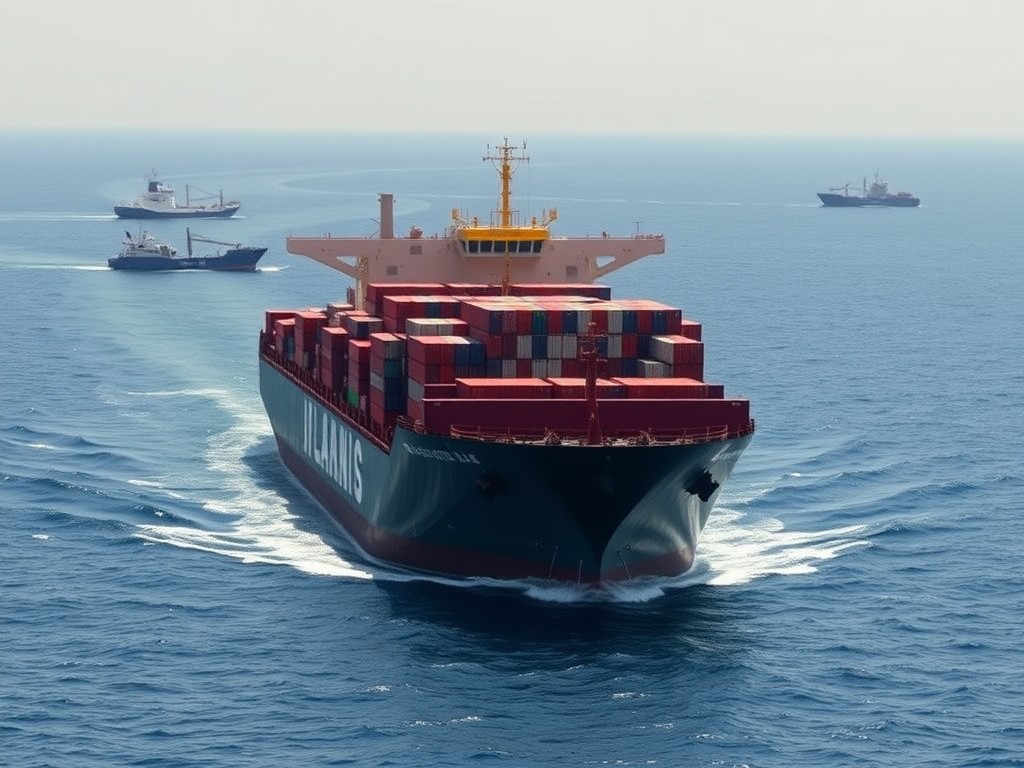
Tensions between the US and Iran are set to ease as a peace deal is slated to be signed on Friday. Trump announces the signing, bringing relief to the region. Tehran, however, reiterates "mistrust", indicating challenges still lie ahead.
How It Began
A U.S.-Iran peace deal is announced, promising a "permanent" end to military action. The agreement is set to be signed on Friday. Trump confirms the signing, but Tehran expresses "mistrust". World leaders react with relief to the news. The UK, France, Germany, and Italy issue a joint statement calling for regional stability and the reopening of the Strait of Hormuz. They emphasize that preventing Iran from acquiring nuclear weapons "must remain a priority". The international community holds its breath as the deal's details emerge. Friday's signing is highly anticipated, with many hoping it will bring lasting peace to the region. Trump says the peace deal will be signed, but Tehran's "mistrust" raises concerns about the agreement's viability.
Lives and Losses
As world leaders express relief over the US-Iran deal, the announcement brings a sense of cautious optimism. The United States and Iran have reached a preliminary deal, expected to open the Strait of Hormuz, but it defers the toughest issues to further talks. "Mistrust" still lingers, as reiterated by Tehran. Despite this, the prospect of a peace deal being signed on Friday has been welcomed. The UK, France, Germany, and Italy have called for the reopening of the Strait of Hormuz and the return of regional stability, also reaffirming that preventing Iran from acquiring nuclear weapons must remain a priority. With the deal set to be signed, many are holding their breath, hoping for a more stable future.
Official Positions
Officials claim a preliminary deal between the US and Iran brings relief, but the agreement defers the toughest issues to further talks, raising questions about its effectiveness. The US expects to sign a peace deal on Friday, yet Tehran reiterates "mistrust", highlighting the contradictions in their positions. World leaders express relief at the announcement, with the UK, France, Germany, and Italy calling for regional stability and the reopening of the Strait of Hormuz. However, they also reaffirm that preventing Iran from acquiring nuclear weapons "must remain a priority", suggesting that the deal may not address the core issues.
World Reacts
The United States and Iran have reached a preliminary deal, bringing relief to world leaders. This deal is expected to open the Strait of Hormuz, but it defers the toughest issues to further talks. World leaders are reacting positively, with the UK, France, Germany, and Italy calling for the reopening of the Strait of Hormuz and the return of regional stability. They reaffirm that "preventing Iran from acquiring nuclear weapons must remain a priority." Tehran, however, reiterates "mistrust" despite the planned signing of the agreement on Friday.
What Comes Next
The United States and Iran reached a preliminary deal that was expected to open the Strait of Hormuz. This development is significant, but its impact is limited as it defers the toughest issues to further talks. Analytically, this suggests that the agreement is a tentative step forward, rather than a comprehensive solution. The decision to postpone discussions on key issues implies that both parties are still navigating complex negotiations, setting the stage for potentially contentious debates in the future.

Sudipta Jana
An eclectic writer and fearless advocate, she lends her voice to animal rights and stands unwaveringly against sexual harassment.


