
Tech Stocks Plummet as Interest Rate Fears Intensify


Nasdaq index suffers largest drop in recent...
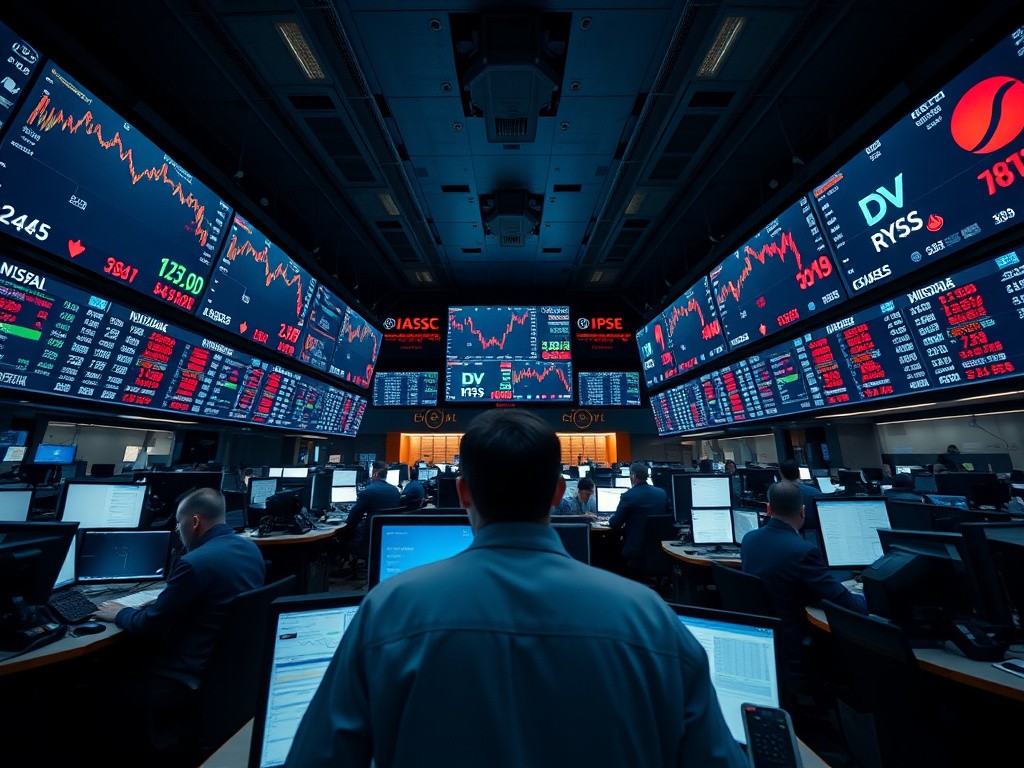
Nasdaq index suffers largest drop in recent history
The Nasdaq stock index has plummeted by over 4% in a single day, marking its largest drop in recent history, as investors scramble to sell off tech stocks amid growing fears of an interest rate hike. The sell-off, which was led by semiconductor-related stocks, has sent shockwaves through the market, with many investors bracing for a potential downturn. As the market continues to react to the news, one thing is clear: the era of cheap money is coming to an end.
Market Mayhem
The sudden and drastic drop in the Nasdaq index has left many investors reeling, as they struggle to come to terms with the new reality of a potentially rising interest rate environment. "The selling was widespread, with many investors looking to reduce their exposure to tech stocks," said one market analyst, as the market begins to price in the likelihood of a rate hike. The semiconductor sector, which has been a driving force behind the market's recent gains, was particularly hard hit, with many stocks falling by 5% or more.
Interest Rate Fears
The root cause of the market's woes is the growing expectation that the Federal Reserve will raise interest rates later this year, in a bid to combat rising inflation and slow down the economy. As the market begins to anticipate this move, investors are becoming increasingly risk-averse, and are seeking to reduce their exposure to stocks that are sensitive to interest rate changes. "The market is starting to realize that the era of cheap money is coming to an end, and that's causing a lot of uncertainty and volatility," said another analyst, as the market continues to react to the news.
Economic Implications
The potential implications of a rising interest rate environment are far-reaching, and could have a significant impact on the broader economy. Higher interest rates could lead to slower economic growth, as borrowing becomes more expensive and consumers and businesses become less likely to take on debt. This, in turn, could lead to a decrease in demand for goods and services, and could potentially even trigger a recession. As the market continues to navigate this new reality, one thing is clear: the next few months will be crucial in determining the direction of the economy.
Investor Reaction
As the market continues to react to the news, many investors are taking a wait-and-see approach, as they try to determine the best course of action. Some are choosing to reduce their exposure to tech stocks, while others are looking to diversify their portfolios and reduce their risk. "We're advising our clients to be cautious and to take a long-term view," said a financial advisor, as investors try to navigate the uncertain landscape.
Global Impact
The impact of the market's volatility will not be limited to the United States, as the global economy becomes increasingly interconnected. A rising interest rate environment in the US could have a ripple effect on economies around the world, as investors become more risk-averse and less willing to take on debt. This, in turn, could lead to a decrease in global economic growth, and could potentially even trigger a global recession. As the market continues to react to the news, one thing is clear: the next few months will be crucial in determining the direction of the global economy.
Future Outlook
As the market continues to navigate the uncertain landscape, one thing is clear: the next few months will be crucial in determining the direction of the economy. The Federal Reserve's decision on interest rates will be closely watched, as investors try to determine the best course of action. As the market continues to react to the news, it's clear that the era of cheap money is coming to an end, and that a new reality is beginning to take shape. The question on everyone's mind is: what's next?