
Saturday marked the third day in a row of hostilities over the Strait of Hormuz


Iran's deliberate targeting of US assets in the...
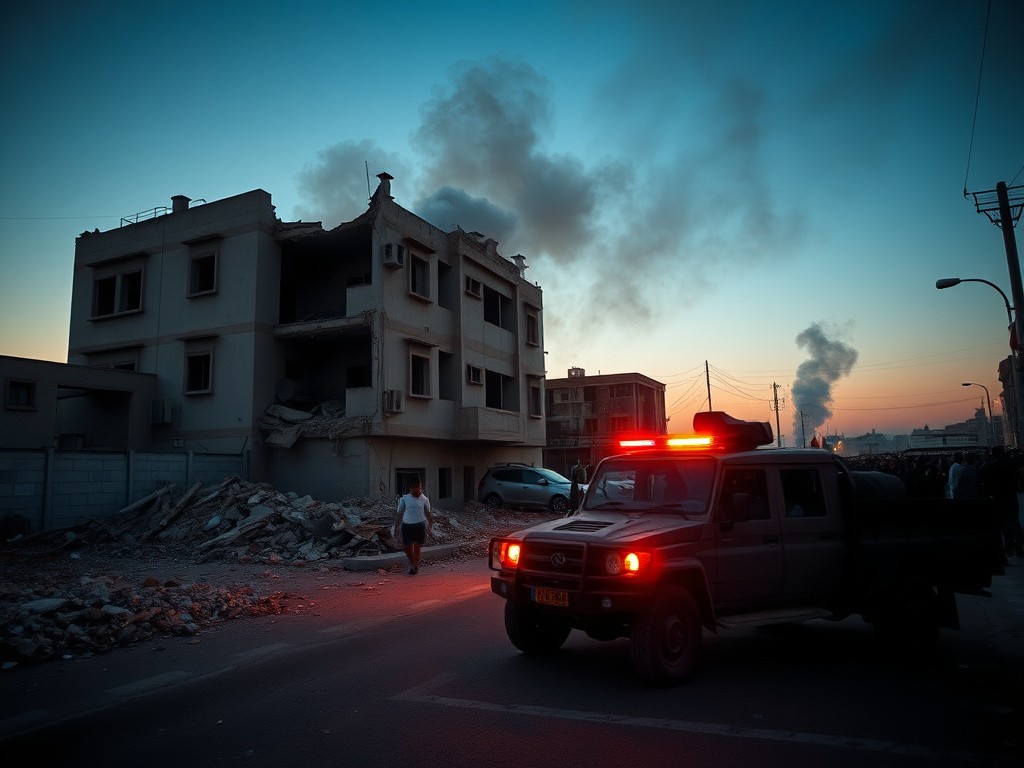
Iran's deliberate targeting of US assets in the Mideast has significant consequences, threatening to upend the fragile US-Iran truce and push the region towa...
Iran targets U.S. assets in the Mideast, prompting fresh clashes that test the fragile ceasefire. Saturday marked the third day in a row of hostilities over the Strait of Hormuz, escalating tensions in the region. The renewed violence threatens to upend the delicate truce between the U.S. and Iran.
Conflict Erupts
This escalation of tensions has raised concerns about the stability of the region. Iran says it targeted U.S. assets in the Mideast as fresh clashes test ceasefire, indicating a deliberate attempt to challenge the existing truce. The ongoing hostilities suggest that the conflict is far from resolved. Fresh clashes are testing the ceasefire, pushing the region to the brink of further instability. The fact that Iran is targeting U.S. assets implies a significant level of intent and aggression. As the situation continues to unfold, it remains to be seen how the parties involved will respond to these developments.
Military Involvement
Iran accuses the US of violating their deal and says it struck targets linked to American forces in response. This action is a clear indication of escalating tensions between the two nations. Bahrain's claim that it had been targeted by Iranian drones further amplifies the situation, suggesting an apparent retaliation after U.S. strikes on Iranian military sites overnight. The fact that a ship came under attack in the Strait of Hormuz for the second time in recent days underscores the heightened risk of conflict in the region. Analytically, this sequence of events suggests a cycle of retaliation, where each side's actions provoke a response from the other, leading to a potentially destabilizing escalation. As the situation unfolds, the involvement of multiple countries and the strategic importance of the Strait of Hormuz raise concerns about the broader consequences of this conflict. The rapid escalation of military involvement is likely to have far-reaching implications for regional and global security.
Core Event Details
Iran targeted U.S. assets in the Middle East, marking an escalation in the region. Saturday marked the third day in a row of hostilities over the Strait of Hormuz. This surge in violence tests the fragile ceasefire in place. The Strait of Hormuz has been a focal point of tensions, with clashes occurring daily. Fresh clashes continue to erupt, putting the ceasefire to the test. Iran's actions directly targeted U.S. assets, prompting concerns over regional stability. The ongoing hostilities have raised alarms, as the situation remains volatile.
Operations Escalate
Iran strikes back at US forces, escalating tensions. The US is accused of violating their deal. Iran targets sites linked to American forces in response. Bahrain is now under attack, with Iranian drones targeting the country. This is apparent retaliation for US strikes on Iranian military sites overnight. A ship in the Strait of Hormuz has been attacked for the second time in recent days. The situation is spiraling out of control. Bahrain confirms the drone attack, a direct result of the US-Iran conflict. The Strait of Hormuz is a critical waterway, and these attacks threaten global trade. Iran's actions are a clear response to the US strikes, with the country saying it "struck targets linked to American forces" in retaliation.
Future Implications
Iran accuses the US of violating their deal and says it struck targets linked to American forces in response. The situation continues to escalate, with Bahrain confirming it had been targeted by Iranian drones, an apparent retaliation after U.S. strikes on Iranian military sites overnight. "Iran says it targeted U.S. assets in Mideast as fresh clashes test ceasefire" - this statement underscores the severity of the situation, as the ceasefire is being pushed to its limits. A ship came under attack in the Strait of Hormuz for the second time in recent days, highlighting the critical nature of the waterway and the potential for further conflict. As the region teeters on the brink of chaos, the targeting of U.S. assets by Iran is set to have significant implications for the future of the conflict, with the US likely to respond to these fresh attacks. The fact that Iran is openly stating its intentions to target US assets suggests a new level of hostility, one that will likely lead to further clashes in the coming days.
Ongoing Tensions
The situation remains volatile, with Iran saying it targeted U.S. assets in Mideast as fresh clashes test ceasefire. Bahrain claims to have been targeted by Iranian drones, an apparent retaliation after U.S. strikes on Iranian military sites overnight. A ship also came under attack in the Strait of Hormuz for the second time in recent days. These developments underscore the escalating tensions between the two nations, with each side taking actions that the other perceives as aggressive. As the conflict continues to unfold, the region remains on high alert, bracing for potential further escalation. The targeting of U.S. assets and the attack on the ship in the Strait of Hormuz highlight the complex and sensitive nature of the situation.
𝕏 Social Reactions
The U.S. and Iran have exchanged fire in the Strait of Hormuz, with the top Iranian military command accusing the Americans of violating the now-month-old ceasefire. The U.S. says the truce remains in effect. @nickschifrin has more. pic.twitter.com/DSaLNSYuyb
Iran and the US accused each other of violating a fragile ceasefire in their three-month war, after Washington struck Iranian military targets for the second time this week. https://t.co/iX24GNVHJv