
Rebels' Mineral Profits Fuel Atrocities


Amazon and Sony are among companies likely...
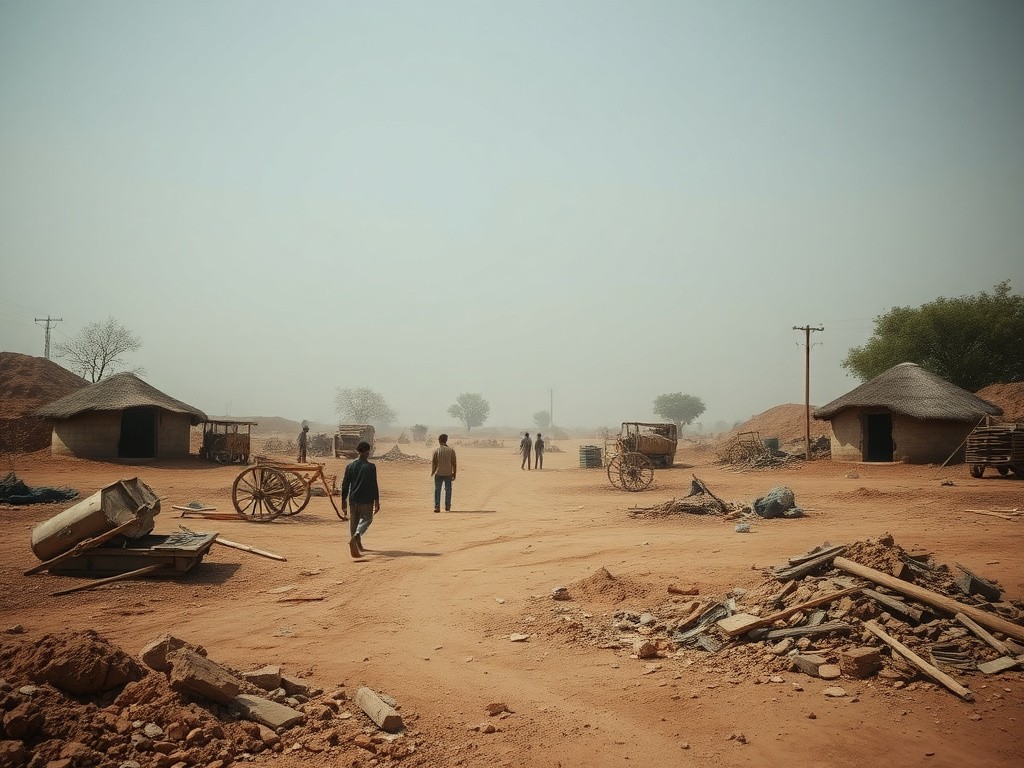
Amazon and Sony are among companies likely sourcing coltan from mines occupied by the M23 militia, funding widespread human rights abuses in the Democratic Repu
Leading global brands are unknowingly funding atrocities in the Democratic Republic of the Congo by sourcing minerals from mines controlled by the M23 militia. The militia has been accused of widespread sexual violence, summary executions, and torture in eastern DRC. Companies such as Amazon, Ericsson, and Sony may have acquired coltan, a mineral used in phones, from these mines, thereby indirectly supporting the militia's activities.
Mineral Supply Chains
The M23 militia has occupied mines in the DRC, giving them control over the supply of coltan, a crucial mineral for the production of electronic devices. "The companies allegedly, but unknowingly, acquired coltan smuggled from mines in the Democratic Republic of the Congo that are occupied by the M23 militia," a report states. This lack of awareness does not absolve the companies of their responsibility to ensure that their supply chains are free from human rights abuses. The fact that these companies may be sourcing minerals from mines controlled by a militia accused of atrocities raises serious concerns about their commitment to ethical sourcing.
Human Rights Abuses
The M23 militia has been accused of committing numerous human rights abuses, including sexual violence, summary executions, and torture. The fact that companies like Amazon and Sony may be inadvertently funding these activities by sourcing minerals from mines controlled by the militia is a disturbing consequence of the complex global supply chains. As one report notes, the companies "may have sourced minerals linked to a militia accused of widespread sexual violence, summary executions and torture." This highlights the need for companies to take a more active role in monitoring their supply chains to prevent such abuses.
Corporate Response
The companies implicated in the report have not commented on the allegations, but it is likely that they will face increased scrutiny over their sourcing practices. The fact that they may have unknowingly sourced minerals from mines controlled by a militia accused of atrocities raises questions about their due diligence processes. As the report states, "the companies allegedly, but unknowingly, acquired coltan smuggled from mines in the Democratic Republic of the Congo." This lack of awareness is not an excuse, and companies must take steps to ensure that their supply chains are transparent and free from human rights abuses.
Regional Tensions
The situation in the DRC is complex, with multiple armed groups operating in the region. The M23 militia is just one of many groups that have been accused of human rights abuses. The fact that companies like Amazon and Sony may be inadvertently funding these activities by sourcing minerals from mines controlled by the militia raises concerns about the broader regional implications. As the report notes, the M23 militia has committed "myriad atrocities in eastern DRC." This highlights the need for a more comprehensive approach to addressing the root causes of these conflicts.
Economic Consequences
The economic consequences of the situation in the DRC are far-reaching. The fact that companies like Amazon and Sony may be sourcing minerals from mines controlled by a militia accused of atrocities raises concerns about the impact on the global economy. As one report states, "the companies may have sourced minerals linked to a militia accused of widespread sexual violence, summary executions and torture." This highlights the need for companies to take a more active role in monitoring their supply chains to prevent such abuses and to ensure that their business practices are ethical and sustainable.
Next Steps
The situation in the DRC is likely to continue to escalate, with the M23 militia remaining a major player in the region. Companies like Amazon and Sony must take steps to ensure that their supply chains are transparent and free from human rights abuses. This may involve working with governments and NGOs to monitor their supply chains and to prevent the sourcing of minerals from mines controlled by armed groups. As the report notes, "the companies allegedly, but unknowingly, acquired coltan smuggled from mines in the Democratic Republic of the Congo." The next step will be for these companies to take concrete actions to address these concerns and to ensure that their business practices are ethical and sustainable.