
Modi Case Clears Hurdle


Indian authorities fail to find evidence of...
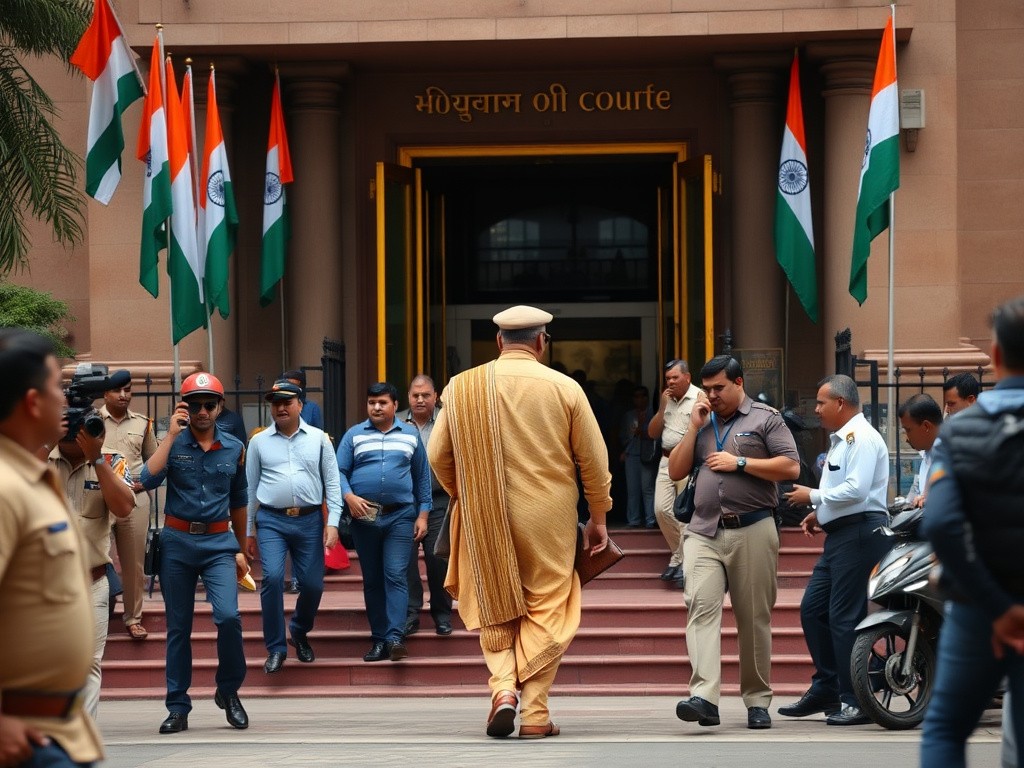
Indian authorities fail to find evidence of corruption against Nirav Modi, sparking concerns about the effectiveness of the investigation. The Central Bureau of
The Central Bureau of Investigation has found no evidence of corruption in the case against Nirav Modi, a former Indian businessman accused of perpetrating a massive bank fraud. This development has significant implications for the Indian government's efforts to prosecute high-profile cases of financial crime. The lack of evidence against Modi raises questions about the thoroughness of the investigation and the ability of Indian authorities to hold powerful individuals accountable.
Investigation Findings
The CBI's investigation into Nirav Modi's activities has been ongoing for several years, with authorities alleging that he was involved in a complex scheme to defraud Indian banks. However, despite the seriousness of the allegations, the CBI has been unable to uncover any concrete evidence of corruption. As one official noted, "the investigation has not yielded any evidence of corruption" - a statement that has sparked widespread criticism and skepticism. The fact that the CBI has found no evidence of corruption does not necessarily mean that Modi is innocent, but it does suggest that the investigation may have been flawed or incomplete.
Case Implications
The failure to find evidence of corruption in the Nirav Modi case has significant implications for the Indian government's efforts to combat financial crime. The case has been closely watched by investors and business leaders, who are eager to see whether the Indian government is capable of holding powerful individuals accountable for their actions. As one expert observed, "the outcome of this case will have a major impact on the perception of India's business environment" - a perception that could have far-reaching consequences for the country's economy. The lack of evidence against Modi may also embolden other individuals who are accused of financial crimes, potentially leading to a surge in white-collar crime.
Modi's Background
Nirav Modi is a former Indian businessman who was accused of perpetrating a massive bank fraud in 2018. The allegations against him were serious, with authorities claiming that he had used fake loans and other financial instruments to defraud Indian banks of millions of dollars. Modi has denied any wrongdoing, but his case has sparked widespread outrage and calls for greater accountability in India's financial sector. As Modi himself has stated, "I am confident that I will be vindicated" - a statement that reflects his denial of any wrongdoing.
Government Response
The Indian government has faced criticism for its handling of the Nirav Modi case, with many accusing authorities of being too soft on white-collar crime. The government has responded by promising to strengthen its laws and regulations, but the lack of evidence against Modi has raised questions about the effectiveness of these efforts. As one government official noted, "we are committed to fighting financial crime" - a commitment that will be tested in the coming months and years.
International Reaction
The outcome of the Nirav Modi case has also sparked international reaction, with many countries watching closely to see how India handles high-profile cases of financial crime. The lack of evidence against Modi may damage India's reputation as a destination for foreign investment, potentially leading to a decline in economic growth. As one foreign investor observed, "the outcome of this case will have a major impact on our decision to invest in India" - a decision that could have far-reaching consequences for the country's economy.
Next Steps
The failure to find evidence of corruption against Nirav Modi is likely to be appealed by Indian authorities, who may seek to reopen the case or pursue new lines of investigation. The outcome of this process will be closely watched by investors, business leaders, and others who are eager to see whether the Indian government is capable of holding powerful individuals accountable for their actions. As the case continues to unfold, one thing is clear: the stakes are high, and the consequences of failure could be severe.