
Mali Imprisons French Diplomat for Two Decades


Sentence exacerbates France-Mali tensions A...
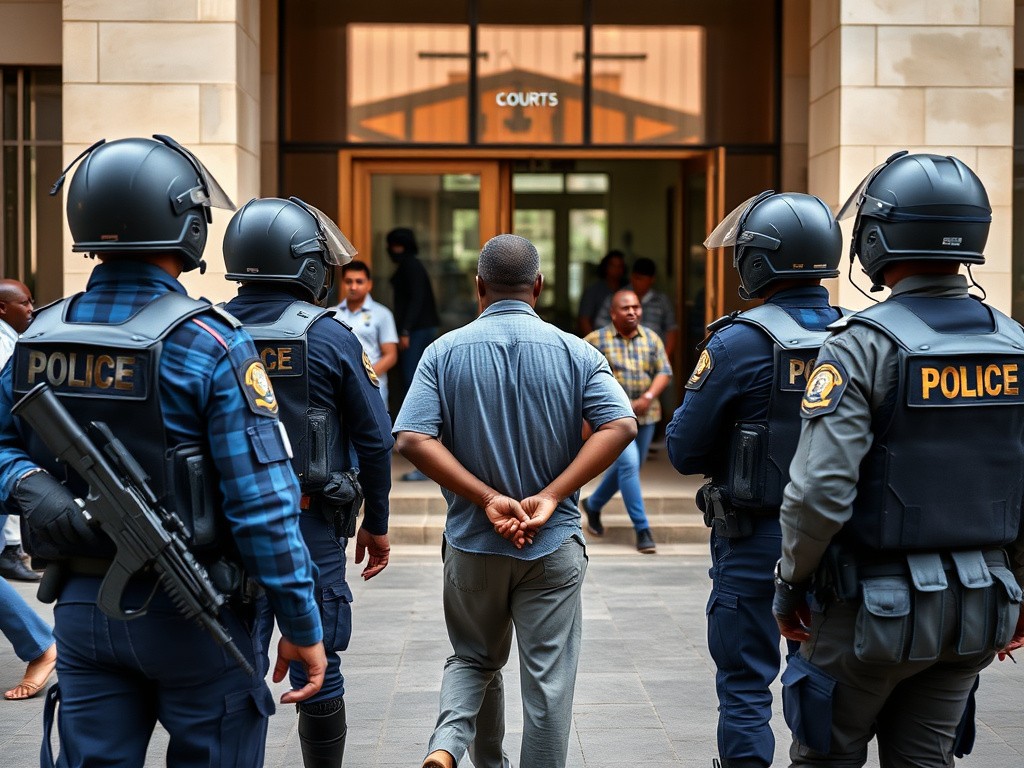
Sentence exacerbates France-Mali tensions
A French intelligence agent with diplomatic status has been sentenced to 20 years in prison in Mali for "undermining state security", a ruling that significantly escalates tensions between the West African nation and its former colonial ruler, France. This severe sentence is a stark indicator of the deteriorating relationship between the two countries. The sentencing of the French diplomat marks a new low in Franco-Malian relations, which have been strained since the military junta took power in Mali.
Diplomatic Fallout
The sentencing is a clear indication of the deep-seated mistrust between Mali's current government and France, which has been involved in the country's affairs for decades. The court's decision to impose such a harsh sentence on a diplomat, who is supposed to be protected by diplomatic immunity, suggests that Mali is no longer willing to tolerate what it perceives as French interference in its internal affairs. As the situation continues to unfold, it remains to be seen how France will respond to this provocative move by the Malian government.
Security Concerns
The charge of "undermining state security" is a serious one, and it implies that the French diplomat was involved in activities that threatened the stability of the Malian government. However, the exact nature of these activities remains unclear, and it is possible that the sentence is a result of a larger geopolitical game being played out between France and Mali. The situation is further complicated by the fact that France has been involved in a military campaign against Islamist militants in the Sahel region, which includes Mali.
Regional Implications
The imprisonment of the French diplomat has significant implications for the region as a whole. It could potentially destabilize the already fragile security situation in the Sahel, where France has been working to combat terrorist groups. The move may also embolden other countries in the region to take a more assertive stance against French influence, potentially leading to a decline in French influence in West Africa. As one observer noted, "the sentence is a clear message from the Malian government that it will no longer tolerate French interference in its internal affairs."
Human Dimension
The sentencing of the French diplomat is not just a matter of geopolitics; it also has a human dimension. The diplomat in question is now facing a lengthy prison sentence in a foreign country, which could have significant implications for their personal and professional life. The situation also raises questions about the safety and security of other diplomats and foreigners living and working in Mali. As the diplomatic fallout continues to unfold, it remains to be seen how the international community will respond to this crisis.
Escalation and Reaction
The French government has yet to respond officially to the sentencing of its diplomat, but it is likely that the move will be met with significant displeasure in Paris. The situation could potentially escalate into a full-blown diplomatic crisis, with both sides engaging in a war of words and retaliatory measures. As the situation continues to unfold, it remains to be seen how the two countries will navigate this difficult period in their relationship.
Next Moves
As the dust settles on this dramatic development, all eyes will be on the next moves of the French and Malian governments. Will France respond with diplomatic pressure, economic sanctions, or even military action? How will the international community, including the United Nations and the European Union, respond to this crisis? One thing is certain: the imprisonment of the French diplomat has opened a new and potentially volatile chapter in the complex and often fraught relationship between France and Mali.