
Historic Shift in Danish Politics as Women Take the Helm


Denmark's Prime Minister Mette Frederiksen has...
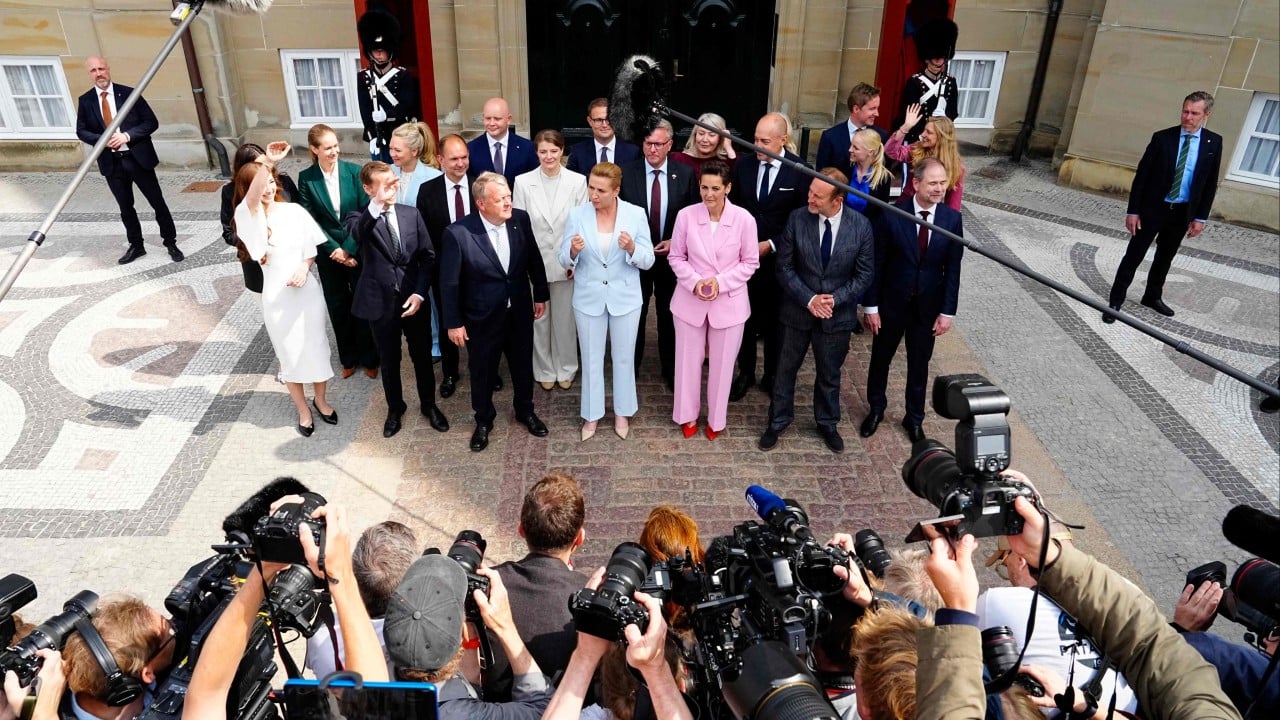
Denmark's Prime Minister Mette Frederiksen has made history by forming a cabinet with a majority of women, a first in the country's history. This significant milestone comes after months of talks following inconclusive elections in March. The new government is a minority coalition between Frederiksen's Social Democrats, the Socialist People's Party, the centre-left Radikale Venstre, and the centrist Moderates.
Government Formation
The formation of the new government is a result of Frederiksen's efforts to bring together parties with diverse ideologies. On Monday, Frederiksen announced that she had managed to form a minority government, and on Wednesday, she revealed the names of the new ministers. As she presented her new cabinet, Frederiksen said, "It is..." - a statement that highlights the significance of this moment in Danish politics. The inclusion of more women than men in the cabinet is a major breakthrough, marking a significant shift in the country's political landscape.
Cabinet Composition
The new cabinet comprises ministers from the four coalition parties, with women holding key positions. This development is expected to have a profound impact on the country's policy-making process. The presence of more women in the cabinet is likely to bring diverse perspectives and experiences to the table, potentially leading to more inclusive and equitable decision-making. As the new government begins its term, it will be interesting to see how this shift in dynamics plays out.
Reaction and Implications
The reaction to the new government has been mixed, with some hailing it as a major step forward for gender equality and others expressing concerns about the coalition's ability to govern effectively. The implications of this development are far-reaching, with potential consequences for the country's social and economic policies. The new government's priorities and agenda will be closely watched, both domestically and internationally.
Global Significance
The formation of a cabinet with a majority of women in Denmark sends a powerful message to the world. It highlights the country's commitment to gender equality and sets an example for other nations to follow. As the world grapples with issues of representation and inclusion, Denmark's new government serves as a beacon of hope for those advocating for greater diversity in politics.
Challenges Ahead
Despite the historic nature of this development, the new government faces significant challenges ahead. The coalition's minority status means that it will have to navigate complex parliamentary dynamics to pass legislation. Additionally, the government will have to address pressing issues such as economic growth, climate change, and social welfare. As Frederiksen navigates these challenges, her leadership and vision will be crucial in determining the success of the new government.
Future Prospects
As Denmark's new government begins its term, the future prospects are uncertain but promising. The presence of more women in the cabinet is likely to bring fresh perspectives and ideas to the table, potentially leading to innovative solutions to the country's problems. As the government moves forward, it will be essential to monitor its progress and assess the impact of this historic shift in Danish politics. With the world watching, Denmark's new government has the opportunity to make a lasting impact on the global stage.