
EU Enlargement Gains Momentum Amid Balkan Summit


Western Balkan countries edge closer to full...
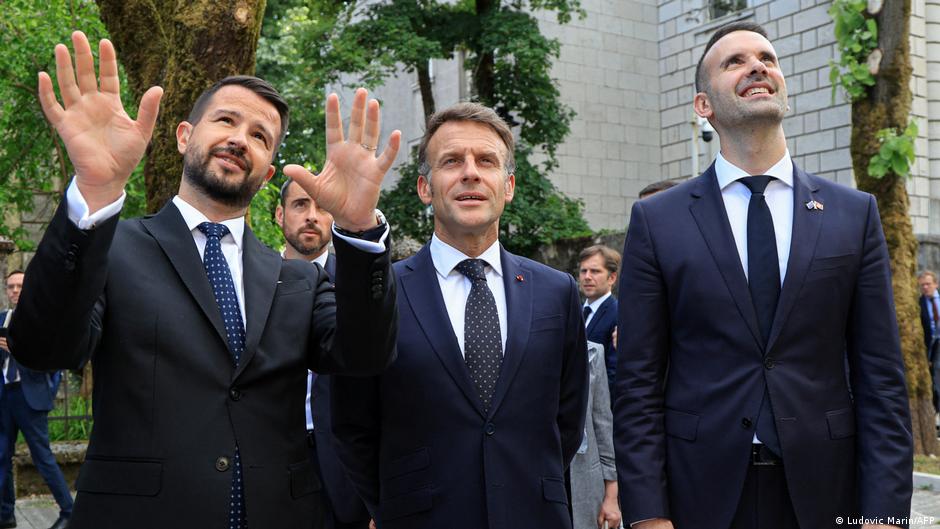
Western Balkan countries edge closer to full membership
The European Union is poised to accelerate its enlargement process, with German Chancellor Merz and Commission head Von der Leyen leading the charge to integrate Western Balkan countries into the bloc. This development comes as EU leaders gather for a summit in the region, where they aim to strengthen ties and pave the way for full membership. The move is seen as a significant step towards bolstering stability and cooperation in the region.
EU Leadership
German Chancellor Merz has been a vocal advocate for the integration of Western Balkan countries into the EU, emphasizing the need for closer cooperation and economic ties. As he noted, Western Balkan countries should be "better integrated into the EU" as they seek full membership. This sentiment is echoed by Commission head Von der Leyen, who called for a "faster" enlargement process. The EU's willingness to expedite the integration process is a clear indication of its commitment to the region's stability and prosperity.
Regional Implications
The potential consequences of EU enlargement in the Western Balkans are far-reaching, with the region's economies and political landscapes likely to undergo significant transformations. As the EU seeks to deepen its ties with the region, it is likely to encounter various challenges, including the need to address existing economic and social disparities. The EU's leadership will need to navigate these complexities while ensuring that the integration process is both efficient and equitable.
Economic Integration
The economic benefits of EU membership are a major draw for Western Balkan countries, which are eager to tap into the bloc's vast market and resources. As the region moves closer to full membership, it is likely to experience significant economic growth, driven by increased trade and investment. However, the integration process will also require Western Balkan countries to implement various reforms, including the adoption of EU regulations and standards.
Political Landscape
The EU's enlargement process is not without its challenges, with various political and social factors likely to influence the outcome. The region's complex history and existing tensions may pose obstacles to the integration process, requiring careful navigation by EU leaders. As the EU seeks to strengthen its ties with the Western Balkans, it will need to address these challenges while ensuring that the region's diverse interests are represented.
Social Dimension
The human dimension of EU enlargement in the Western Balkans should not be overlooked, with the region's citizens standing to gain significantly from the integration process. As the EU seeks to promote economic growth and cooperation, it is also likely to have a positive impact on the region's social fabric, including the promotion of democratic values and human rights. The EU's commitment to the region's stability and prosperity is a clear indication of its dedication to the well-being of its citizens.
Future Prospects
As the EU enlargement process gains momentum, the region is likely to experience significant transformations in the coming years. With the EU's leadership committed to expediting the integration process, Western Balkan countries are poised to take a major step towards full membership. The next expected development will be the implementation of various reforms and the adoption of EU regulations, which will pave the way for the region's eventual integration into the bloc. As Commission head Von der Leyen noted, the EU is committed to a "faster" enlargement process, which will have far-reaching consequences for the region's stability and prosperity.