
Bolivia's Democracy Teeters on Brink of Collapse


International community condemns overthrow efforts...
International community condemns overthrow efforts
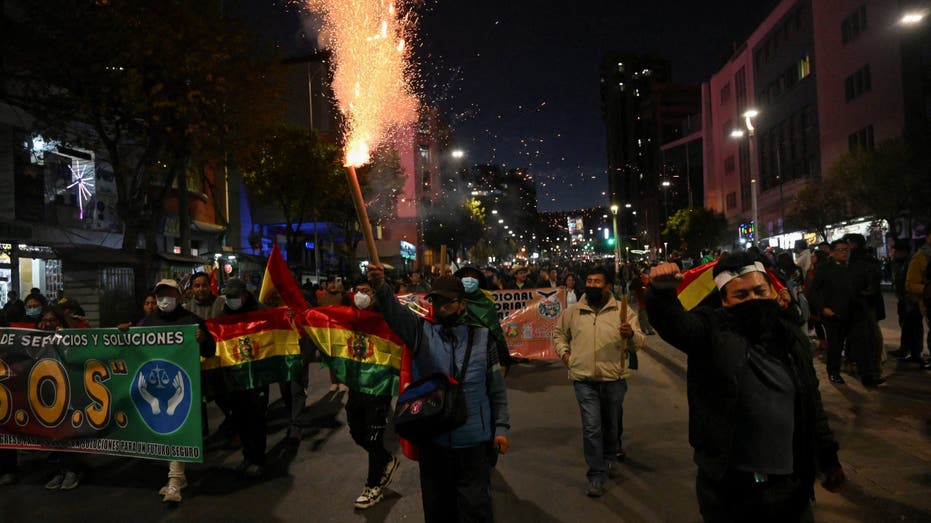
The Bolivian government is facing an unprecedented crisis as weeks of mass protests threaten to topple the elected president, Rodrigo Paz. The international community has condemned the ongoing efforts to overthrow the government, with the US and the Shield of the Americas countries denouncing the unrest. The situation is rapidly escalating, with the fate of Bolivia's democracy hanging in the balance.
Government Under Siege
The protests, which have been ongoing for weeks, have taken a toll on the government, with many calling for President Paz's resignation. The US and the Shield of the Americas countries have condemned the efforts to overthrow the government, stating that they will not support any attempts to undermine the democratic process. As one official noted, "The US and the Shield of the Americas countries condemn ongoing efforts to overthrow Bolivia's elected President Rodrigo Paz amid weeks of mass protests." This statement highlights the international community's commitment to upholding democracy in the region.
The government has struggled to respond to the protests, with many critics arguing that it has been too slow to address the concerns of the protesters. The economy has also been affected, with businesses shutting down and trade grinding to a halt. The situation is becoming increasingly dire, with many fearing that the country is on the brink of collapse. "The ongoing efforts to overthrow the government are a threat to the stability of the region," said a government spokesperson, highlighting the gravity of the situation.
International Response
The international community has been quick to respond to the crisis, with many countries calling for calm and restraint. The US and the Shield of the Americas countries have been at the forefront of the response, with diplomats working behind the scenes to try and find a solution. The situation is complex, with many different factions and interests at play. As one diplomat noted, the key to resolving the crisis is to find a way to address the concerns of the protesters while also upholding the democratic process.
The response from the international community has been welcomed by the government, which has been struggling to cope with the scale of the protests. The support from the US and the Shield of the Americas countries has been particularly important, as it has helped to bolster the government's position and provide a sense of stability. However, the situation remains precarious, and it is unclear what the outcome will be.
Protester Demands
The protesters have been calling for a range of reforms, including changes to the country's economic policies and greater transparency in government. The government has been slow to respond to these demands, which has only added to the sense of frustration and anger among the protesters. The situation is becoming increasingly polarized, with many on both sides refusing to back down.
The protesters have also been critical of the government's handling of the economy, which they argue has led to widespread poverty and inequality. The government has responded by promising to implement reforms, but many are skeptical about whether these promises will be kept. As one protester noted, "We will continue to protest until our demands are met and the government starts to listen to the people."
Human Cost
The protests have had a significant human cost, with many people injured or killed in the violence. The situation is becoming increasingly dire, with many families struggling to cope with the loss of loved ones. The government has been criticized for its handling of the crisis, with many arguing that it has been too slow to respond to the needs of the affected families.
The international community has also been critical of the government's response, with many calling for greater transparency and accountability. The situation is complex, with many different factors at play. However, one thing is clear: the human cost of the protests has been devastating, and it is essential that the government and the international community work together to find a solution.
Economic Impact
The protests have also had a significant economic impact, with many businesses shutting down and trade grinding to a halt. The situation is becoming increasingly dire, with many families struggling to cope with the loss of income. The government has been criticized for its handling of the economy, with many arguing that it has been too slow to respond to the needs of the affected families.
The international community has also been critical of the government's response, with many calling for greater transparency and accountability. The situation is complex, with many different factors at play. However, one thing is clear: the economic impact of the protests has been devastating, and it is essential that the government and the international community work together to find a solution.
Next Steps
The situation in Bolivia is rapidly evolving, with many different factors at play. The government and the international community are working together to try and find a solution, but it is unclear what the outcome will be. One thing is clear, however: the fate of Bolivia's democracy hangs in the balance, and it is essential that all parties work together to find a peaceful and democratic solution. The next steps will be crucial, with many watching to see how the situation unfolds.