
African Continent Teeters on Brink of Reproductive Rights Crisis


Draft charter sparks outrage among rights groups ...
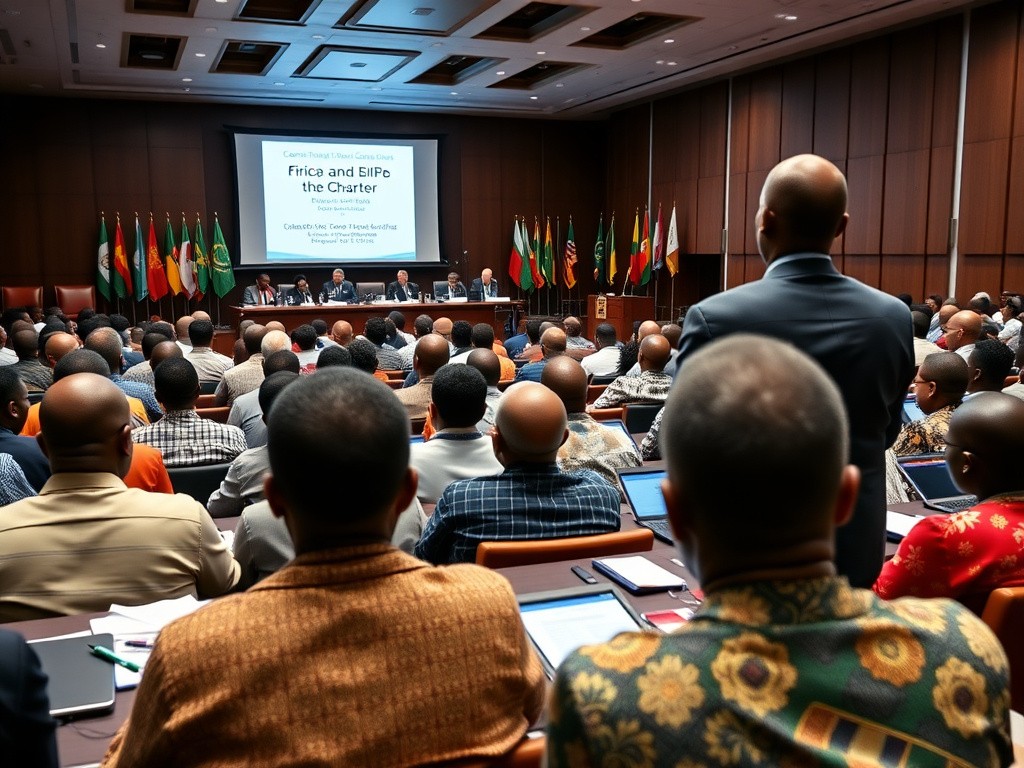
Draft charter sparks outrage among rights groups
The African continent is on the cusp of a reproductive rights crisis as a draft charter rejecting longstanding international human rights obligations gains momentum. The draft African charter on family, sovereignty and values asserts that African values and culture are under attack from "foreign ideologies" and urges states to withdraw from any agreements that do not align with the principles of the charter. This move has sparked outrage among rights groups, who claim that the charter is regressive and dangerous.
Charter Details
The draft charter, seen by observers, claims that sexual and reproductive health and rights are an existential threat to the African family. It urges states to withdraw from agreements such as the 2003 Maputo protocol, which promotes gender equality and protects the reproductive and health rights of women and girls. As one critic noted, the charter's assertion that African values and culture are under attack from "foreign ideologies" is a thinly veiled attempt to undermine human rights. The charter's language is stark, with phrases such as "foreign ideologies" used to describe any idea that challenges traditional African values.
The implications of the charter are far-reaching, with potentially devastating consequences for women's rights and reproductive health across the continent. The charter's rejection of international human rights obligations is a significant concern, as it could lead to a rollback of hard-won gains in areas such as gender equality and reproductive health. As the charter gains momentum, rights groups are sounding the alarm, warning that the document's provisions could have disastrous consequences for women and girls across Africa.
Rights Groups React
Rights groups have been quick to condemn the draft charter, with many labeling it as regressive and dangerous. The charter's provisions, they argue, are a clear attempt to undermine human rights and roll back gains made in areas such as gender equality and reproductive health. As one rights activist noted, "the charter's assertion that African values and culture are under attack from foreign ideologies is a thinly veiled attempt to undermine human rights." The reaction from rights groups has been swift and decisive, with many calling for the charter to be rejected outright.
International Implications
The draft charter's implications extend far beyond the African continent, with potential consequences for international human rights law. The charter's rejection of longstanding international human rights obligations is a significant concern, as it could lead to a fragmentation of human rights standards across the globe. As one expert noted, "the charter's provisions could have far-reaching consequences for human rights, not just in Africa but around the world." The international community is watching the situation closely, with many calling for African governments to reject the charter and uphold their international human rights obligations.
Human Cost
The human cost of the draft charter's provisions could be devastating, with women and girls across Africa potentially facing significant barriers to reproductive health services and gender equality. The charter's rejection of international human rights obligations could lead to a rollback of hard-won gains in areas such as maternal health and family planning. As one woman from Africa noted, "the charter's provisions could mean that women like me are denied access to basic reproductive health services, putting our lives at risk." The human dimension of the crisis is stark, with the potential consequences of the charter's provisions hanging precariously in the balance.
Next Steps
As the draft charter continues to gain momentum, the next steps are unclear. Rights groups are calling for African governments to reject the charter and uphold their international human rights obligations. The international community is watching the situation closely, with many calling for calm and restraint. As one observer noted, "the situation is delicate, with the potential for significant consequences for human rights across Africa." The future of reproductive rights on the African continent hangs in the balance, as the draft charter's provisions threaten to undermine hard-won gains in areas such as gender equality and reproductive health.