
Middle East Strikes Intensify with Deadly Attacks


Mass casualties in Iran’s Minab after a deadly strike hit a school, deepening the region’s humanitarian and security crisis.
DUBAI, March 1 –
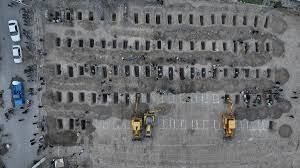
A series of deadly strikes has rocked the Middle East, resulting in significant loss of life and widespread destruction. The most recent incident occurred in Minab, southern Iran, where at least 168 people, including children, were killed when a girls' school was hit on February 28. The attack has been condemned by Iranian authorities, who have vowed to take action against those responsible. The Iranian Revolutionary Guard Corps base in the area was also completely flattened, and the school building has partially collapsed, according to satellite imagery.
Background to the Conflict
The Middle East has been plagued by conflict and instability for decades, with various countries and factions vying for power and influence. The recent strikes are the latest escalation in a long-running cycle of violence, which has claimed thousands of lives and displaced millions of people. The conflict has also had a significant impact on the regional economy, with trade and investment severely disrupted. The international community has called for calm and restraint, but so far, a lasting solution has proven elusive.
Humanitarian Crisis Unfolds
The humanitarian situation in the affected areas is dire, with many people in need of urgent assistance. The strikes have destroyed critical infrastructure, including hospitals, schools, and water treatment plants, leaving thousands of people without access to basic necessities. Aid agencies are working to provide relief, but their efforts are being hindered by the ongoing violence and lack of access to the affected areas. The United Nations has appealed for an immediate ceasefire and for all parties to respect international humanitarian law.
Regional Implications
The Middle East strikes have significant implications for the region and beyond. The conflict has the potential to draw in other countries, sparking a wider war that could have catastrophic consequences. The international community is working to prevent this outcome, with diplomats engaging in frantic efforts to broker a peace deal. However, the complexity of the conflict and the deep-seated divisions between the parties involved make a lasting solution difficult to achieve.
International Response
The international community has condemned the recent strikes, calling for an immediate end to the violence and a return to diplomatic efforts. The United Nations Security Council has held an emergency meeting to discuss the crisis, and several countries have offered to provide humanitarian aid to those affected. However, the response has been criticized for being inadequate, with some arguing that more needs to be done to address the root causes of the conflict. The European Union has called for a comprehensive approach to the crisis, including diplomatic, economic, and humanitarian measures.
Future Outlook
The future outlook for the Middle East is uncertain, with the conflict showing no signs of abating. The international community must continue to work towards a peaceful resolution, engaging with all parties to the conflict and addressing the underlying issues that have led to the violence. The humanitarian situation must also be prioritized, with aid agencies given unfettered access to the affected areas. Ultimately, a lasting solution will require a commitment to diplomacy and a willingness to compromise from all parties involved. The alternative is a continuation of the cycle of violence, which would have devastating consequences for the region and beyond.