
Pentagon Shifts Defense Strategy Under Trump Administration


The Pentagon has announced a significant shift in its defense strategy under the Trump administration, focusing on great power competition rather than counterterrorism. This new approach aims to address the rising threats from nations like China and Russia, prioritizing military readiness and modernization.
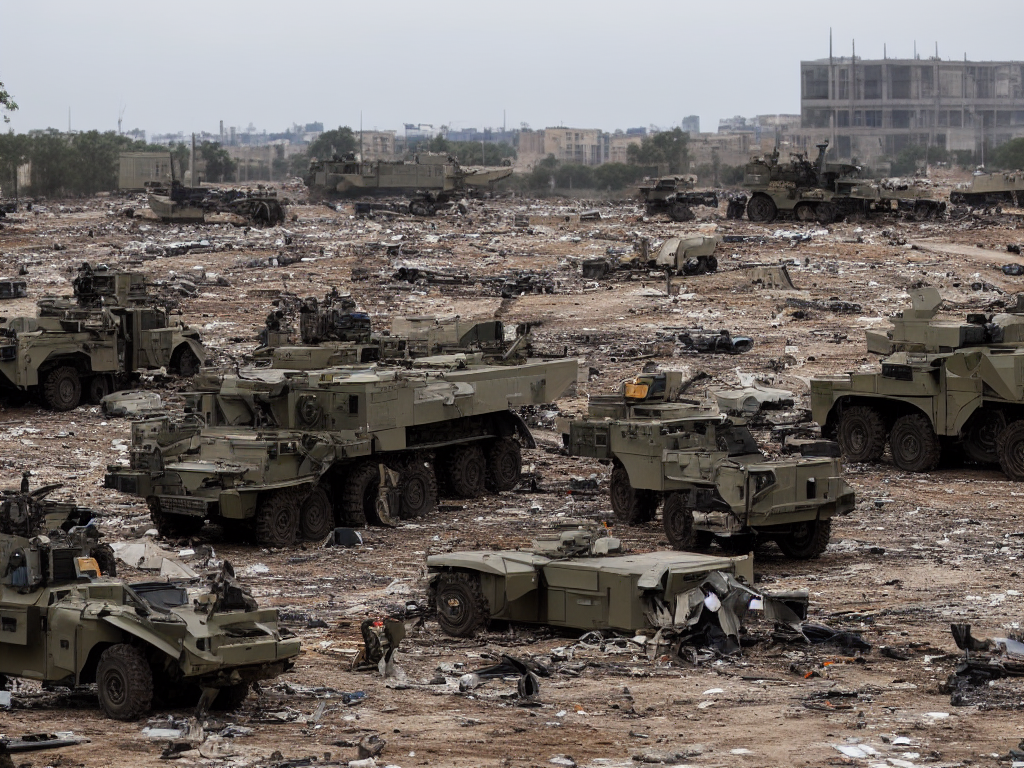
WASHINGTON, January 23 - The US Department of Defense has unveiled a new National Defense Strategy that prioritizes the security of the US homeland and Western Hemisphere, marking a significant shift in the country's defense priorities. The new strategy, which was recently announced, indicates that the US will offer more limited support to its allies, a move that is likely to have far-reaching implications for international relations and global security. The shift in priorities is seen as a response to emerging threats and a desire to focus on domestic security concerns. The Pentagon's decision to reorient its defense strategy is a major development that is expected to impact US relations with its allies and adversaries alike.
Background on the New Defense Strategy
The new National Defense Strategy is a comprehensive document that outlines the Pentagon's priorities and goals for the next few years. The strategy is designed to address emerging threats and challenges, including terrorism, cyber attacks, and the rise of rival powers such as China. However, in a surprise move, the Pentagon has chosen to prioritize the security of the US homeland and Western Hemisphere over other regions, including Asia and Europe. This shift in priorities is likely to have significant implications for US relations with its allies in these regions, who may feel that their security concerns are being neglected.
Implications for US Allies
The decision to offer more limited support to US allies is likely to be met with concern and disappointment from many countries that have traditionally relied on the US for military assistance and protection. The US has a network of alliances and security agreements with countries around the world, and these relationships are seen as a key component of global stability and security. However, the new defense strategy suggests that the US is reevaluating its commitments and priorities, and may be less willing to provide military support to its allies in the future. This could lead to a decline in trust and cooperation between the US and its allies, and may create opportunities for rival powers to fill the vacuum.
Trump's Role in Shaping Defense Policy
The new defense strategy is seen as a reflection of the Trump administration's priorities and goals, which have emphasized the need for a more robust and effective military. President Trump has been a vocal critic of US defense policy, arguing that the country has been taken advantage of by its allies and that it needs to take a more assertive approach to national security. The new defense strategy appears to reflect this approach, with a focus on strengthening the US military and prioritizing domestic security concerns. However, the strategy has also been criticized for its lack of clarity and coherence, and for its potential to undermine US relationships with its allies.
Global Reactions to the New Strategy
The new defense strategy has been met with a mixture of concern and skepticism from countries around the world. Many US allies have expressed disappointment and frustration with the decision to offer more limited support, and have warned that this could undermine global stability and security. Rival powers, such as China and Russia, have also taken note of the new strategy, and may see opportunities to exploit the resulting uncertainty and instability. The international community is watching the situation closely, and is waiting to see how the new defense strategy will be implemented and what its implications will be for global security.
Future Outlook and Implications
The new defense strategy is a significant development that is likely to have far-reaching implications for US relations with its allies and adversaries alike. The decision to prioritize the security of the US homeland and Western Hemisphere over other regions is a major shift in priorities, and may lead to a decline in trust and cooperation between the US and its allies. The international community is waiting to see how the new strategy will be implemented, and what its implications will be for global security. As the situation continues to evolve, one thing is clear: the new defense strategy is a major development that will have significant implications for the future of global security and international relations.