
Philippines Declares National Energy Emergency


Government moves to secure power supply and stabilize grid amid rising demand and supply challenges
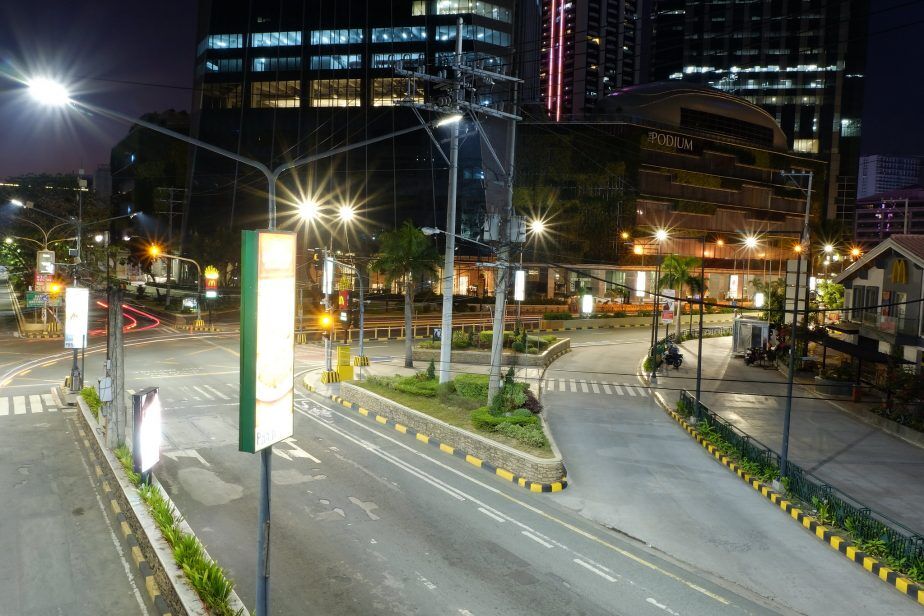
NEW DELHI, March 25 – Philippine President Ferdinand Marcos Jr. has declared a national energy emergency in response to the impact of the US-Israel war on Iran on the country's energy supply. The declaration, which will remain in force for one year, aims to enable the government to implement responsive and coordinated measures to address the risks posed by disruptions in the global energy supply and the domestic economy. According to the President, the emergency declaration will allow the government to procure fuel and petroleum products to ensure a timely and sufficient supply, and if necessary, pay part of the contract amount in advance.
What Happened
The Philippine government's decision to declare a national energy emergency comes as the country faces a potential fuel crisis due to the ongoing conflict in the Middle East. The US-Israel war on Iran has led to a significant increase in fuel prices, affecting not only the Philippines but also other countries around the world. The Philippine President's declaration is seen as a measure to mitigate the impact of the crisis on the country's economy and ensure the continued supply of essential goods and services. The government has formed a committee to oversee the implementation of the emergency response, which includes ensuring the orderly movement, supply, distribution, and availability of fuel, food, medicine, agricultural products, and other essential goods.
Key Details
The Secretary of Energy, Sharon Garin, has stated that the country still has about 45 days of fuel supply based on current consumption levels. However, the government is working to procure 1 million barrels of oil from countries within and outside Southeast Asia to build its buffer stock. The Philippine Ambassador to the US, Jose Manuel Romualdez, has also been working with Washington to secure exemptions that would allow for the continued importation of fuel and other essential goods. The government has also authorized authorities to take action against the hoarding, profiteering, and manipulation of petroleum product supplies. The emergency declaration has been met with mixed reactions from various sectors, with some transport unions expressing skepticism about the government's ability to address the root cause of the fuel crisis.
Background & Context
The Philippines is heavily reliant on imported fuel, which makes it vulnerable to fluctuations in the global energy market. The country's energy sector is also facing challenges in terms of infrastructure and supply chain management, which can exacerbate the impact of external shocks. The government's decision to declare a national energy emergency is seen as a necessary measure to ensure the continued functioning of the economy and the well-being of its citizens. The declaration is also a recognition of the potential risks posed by the ongoing conflict in the Middle East and the need for proactive measures to mitigate its impact. The Philippine government has been working to diversify its energy sources and reduce its dependence on imported fuel, but these efforts are still in the early stages.
Reactions
The declaration of a national energy emergency has been met with mixed reactions from various sectors. Transport unions have expressed skepticism about the government's ability to address the root cause of the fuel crisis, with some describing the emergency declaration as a "superficial band-aid." Consumer groups have also expressed concerns about the potential impact of the fuel crisis on the prices of goods and services. However, the government has assured the public that it is taking all necessary measures to ensure the continued supply of essential goods and services. The business sector has also expressed support for the government's efforts to address the fuel crisis, with some companies offering to work with the government to find solutions.
Looking Ahead
The declaration of a national energy emergency in the Philippines is a significant development that highlights the potential risks posed by the ongoing conflict in the Middle East. The government's efforts to address the fuel crisis will be closely watched by the public and the business sector, and the success of these efforts will depend on the ability of the government to work with various stakeholders to find solutions. The Philippine government has assured the public that it is committed to ensuring the continued supply of essential goods and services, and that it will take all necessary measures to mitigate the impact of the fuel crisis. As the situation continues to evolve, the government will need to remain vigilant and proactive in addressing the challenges posed by the fuel crisis, and to work towards finding long-term solutions to the country's energy needs. The international community will also be watching the situation closely, as the impact of the fuel crisis is felt not only in the Philippines but also in other countries around the world.

Sudipta Jana
An eclectic writer and fearless advocate, she lends her voice to animal rights and stands unwaveringly against sexual harassment.


